As an Amazon Associate, we earn from qualifying purchases. Some links on this site are affiliate links at no extra cost to you. Our recommendations are based on thorough research and editorial judgment.

DIY Book Sleeve Patterns for Book Protection

DIY book sleeve patterns offer a fantastic way to protect treasured books from wear, spills, and bag damage while expressing personal style through vibrant fabrics, durable cotton blends, and customizable sizes suited for everything from paperbacks to tablets. These sleeves often feature clever closures like elastic cords or buttons and can be quilted for extra sturdiness, while adding pockets or embroidery truly elevates their charm. For those passionate about both craft and literary care, exploring this topic further reveals even more creative possibilities and practical tips!
Key Takeaways
- Choose durable fabrics like cotton blends and add fusible interfacing for book sleeve structure and protection.
- Measure and cut fabric pieces precisely, typically 10.5 by 8.5 inches, for a snug yet flexible fit.
- Quilt parallel lines on the fabric to add texture and enhance sleeve durability.
- Incorporate closure options such as elastic cords or buttons for secure and stylish finishes.
- Customize sleeve sizes for different book types, from small paperbacks to large hardcovers or tablets.
Benefits of Using Book Sleeves
The practicality of book sleeves cannot be overstated, as they serve as protective yet stylish covers that keep beloved books safe from wear, tear, and accidental spills during every commute or spontaneous adventure. Book sleeves shield both covers and pages from damage caused by rubbing against keys, water bottles, or snacks tucked in bags. For avid commuters or travelers, these sleeves are indispensable, preserving pristine conditions—especially for library and borrowed books requiring gentle handling. Their customizable sizes and vibrant patterns add a personal flair to the reading experience, transforming practicality into art. Impressively versatile, book sleeves also accommodate tablets, proving they’re not just for paperbacks! They elevate book care, combining protection with personality in a way that every book lover should embrace wholeheartedly. Just as essential in bladesmithing is having the proper safety gear to protect yourself during crafting, protecting books with sleeves ensures their longevity and use over time.
Choosing the Right Fabric and Materials
Although choosing fabric for a book sleeve might seem straightforward, selecting the perfect combination of durability, texture, and design requires thoughtful consideration to guarantee the final product not only protects beloved books (or treasured tablets) but also delights the eye every time it’s pulled from a bag. Cotton or cotton blends stand out for their toughness and easy care, coping well with travel wear and tear. Adding lightweight fusible interfacing offers essential structure without extra bulk, making sleeves easier to carry. Visually, opting for contrasting colors or playful patterns for the outer fabric adds personality, while a softer fabric inside cushions the book. Additionally, choosing non-shedding batting prevents lint transfer, ensuring cleanliness. For eco-conscious crafters, repurposing old fabrics keeps projects sustainable and stylish—what’s not to love? Incorporating practical tools and strategies can enhance your crafting process and final design, making the book sleeve both functional and enjoyable to use.
Recommended Products

✅Premium Book Sleeve Protector : Fits most 11x8.5 inch books: self-published, standard paperbacks, mass paperbacks, AND hardcovers. Always measure your book before purchase!

Sewing Supplies Contents: Instructions and 11.6-inch wide, 30-yard long medium weight white single-sided adhesive, which can adapt to various fabric shapes and sizes. Simply trim the interfacing to the desired pattern and it can be easily used for fabrics of any size

Preparing Your Cutting Tools
Gathering well-maintained cutting tools instantly elevates the sewing experience, offering a smoother, more precise workflow that every DIY enthusiast appreciates—imagine a sleek rotary cutter gliding effortlessly over fabric atop a self-healing cutting mat, paired with a large rectangular ruler that guarantees accurate measurements, transforming what could be a tedious chore into a satisfying creative routine filled with clean, crisp edges and minimal waste. Vital cutting tools include sharp fabric scissors for trimming smaller pieces, ensuring neat results, while a rotary cutter excels when handling multiple fabric layers. Maintaining these cutting tools by regularly sharpening blades and cleaning scissors is essential, as it enhances precision and ease during your work, preventing frustration and maximizing efficiency—an investment that truly pays off in both quality and enjoyment with every book sleeve sewn! To keep track of your projects efficiently, consider using a log book to document your measurements and cutting experiences, fostering continual improvement in your crafting.
Recommended Products

♡ What You Get - This rotary cutter set includes 1pcs 45mm fabric cutter, 5pcs extra rotary blades, 1pcs A3 fabric cutting mat, 1pcs 6.5 x 12 inch quilting ruler, 1pcs #11 craft knife and 10pcs replacement blades, 20pcs sewing clips.

SEWING, ARTS, AND CRAFTS STAPLE: This Fiskars Rotary Cutter and Ruler Combo can cut multiple layers of fabric in straight lines; Built-in ruler features an easy-to-read measuring grid with highlighted numbers; Ideal for measuring and making precise cuts through fabric;

SELF HEALING ROTARY MAT - Our rotary mat is self-healing, it reseals surface cuts for a continually smooth cutting surface. Using a self-healing cutting mat extends the life of your blade and protects the surfaces of your work area.
Measuring and Cutting Fabric Pieces
Measuring accuracy reigns supreme when cutting fabric pieces for a DIY book sleeve, as precise dimensions guarantee a snug yet flexible fit for most standard books, with outer and inner fabrics typically cut to 10.5 inches tall by 8.5 inches wide, perfectly balancing protection and ease of use—while fusible interfacing, sized slightly larger at 11 by 19 inches to extend beyond fabric edges, adds sturdiness without bulk, setting the stage for seamless attachment that even beginner sewers can appreciate! Mastering measuring and cutting fabric pieces involves using a rotary cutter paired with a large rectangular ruler to maintain crisp, symmetric edges. Thoughtful planning maximizes fabric scraps, ensuring minimal waste while securing the needed dimensions. This careful process lays the groundwork for durable, attractive sleeves that reflect both precision and style. Including clear visual illustrations can greatly assist with mastering these cutting techniques, providing step-by-step guidance and ensuring accuracy throughout the process. Such visual examples are essential for both beginners and experienced crafters alike.
Assembling the Fabric Layers
Start the assembly by carefully fusing the interfacing to the wrong side of the outer fabric, extending the interfacing just a half-inch beyond the edges to guarantee a secure bond that adds much-needed structure without sacrificing flexibility. Assembling the fabric layers continues by cutting a cotton batting piece, roughly 24 by 20 inches, which will rest beneath the fused outer fabric for comfortable padding. Next, these components are layered thoughtfully, ensuring the interfacing, batting, and outer fabric lie flat and centered, creating a harmonious stack ready for stitching. Pinning the layers together prevents shifting during sewing, allowing crafters to prepare a smooth, durable sleeve that protects treasured books with just the right amount of cushion and support—assembling the fabric layers is truly the foundation of a successful DIY book sleeve project! Considering the importance of plot complexity and pacing found in action adventure books can inspire crafters to create protective sleeves suited for similarly treasured and intricate novels.
Techniques for Quilting Your Book Sleeve
Quilting the book sleeve involves sewing a series of parallel lines spaced about an inch apart, creating a charming grid pattern that not only enhances the sleeve’s structural integrity but also adds a visually appealing texture that book lovers will appreciate—this technique, combined with the careful layering of cotton batting between fabric pieces, results in a cozy yet resilient protective cover that embraces treasured volumes with care. Before quilting, applying fusible interfacing to the outer fabric’s wrong side boosts support and helps prevent distortion, essential in any reliable sewing pattern. Ensuring all layers lie flat and centered is key to a neat finish. Starting and ending each quilting line with backstitches secures threads, promising durability as the book sleeve accompanies readers through countless journeys! Utilizing step-by-step guides enhances clarity and helps quilters achieve precise and professional results during the quilting process.
Recommended Products

Durable & Archival-Safe Protection: Made from tear-resistant PVC, these heavy-duty zipper binder pockets safeguard photos, papers, and important documents. This material prevents ink transfer, ensuring long-term protection without compromising paper integrity

Solid Construction: Our comic book backing boards are crafted from 24-point solid bleached sulfate, providing a sturdy foundation for your bag and boards comic books and ensuring long-lasting support.
Sewing Seams and Finishing Edges
Having carefully stitched the quilted layers to imbue the book sleeve with comforting structure and texture, attention now turns to sewing seams and finishing edges, which—though often overlooked—punctuate the project with precision and durability. It is crucial to maintain a 1/4 inch seam along each edge to secure a snug fit while minimizing bulk. After sewing, ironing these seams open creates a flatter, more polished look that instantly elevates the finished piece. Trimming the seam allowance to 1/8 inch before turning the fabric right side out further reduces bulk and sharpens corners. Folding raw edges over and securing them with a straight stitch finishes the edges neatly, preventing fraying as the sleeve endures use. Employing a walking foot when stitching through multiple layers guarantees even feeding and consistent seam quality—truly a subtle yet satisfying step! Using quality tools, like proper art supplies, can similarly enhance precision and results in creative projects such as flower drawing.
Adding Closure Options: Elastic and Buttons
Closure options such as elastic cords and buttons offer practical and stylish ways to secure a book sleeve, ensuring that cherished tomes remain safely nestled inside during travel or storage. Elastic closures, favored for their simplicity and flexibility, adapt well to various book sizes, while buttons add a charming, tactile detail that elevates the sleeve’s look. Incorporating a small buttonhole or fabric loop keeps the design cohesive, especially when matching colors or textures. Both closures can be sewn in effortlessly during assembly, requiring no advanced sewing skills, making them perfect for beginners enthusiastic to customize their projects. Experimenting with contrasting elastic or button colors can further enhance the sleeve’s aesthetic appeal, turning a functional piece into a delightful personal accessory that book lovers will proudly carry everywhere!
Recommended Products

72-Pocket Portfolio Display Book: Each art binder with 72 bound (non-refillable) top-loading clear sheet protectors, letting you show 144 pages of 8.5x11" letter size or smaller. Folder measures 11 1/2" (L) x 9 11/16" (W) x 1 1/2" (G).

72-Pocket Portfolio Display Book: Each art binder with 72 bound (non-refillable) top-loading clear sheet protectors, letting you show 144 pages of 8.5x11" letter size or smaller. Folder measures 11 1/2" (L) x 9 11/16" (W) x 1 1/2" (G).

72-Pocket Portfolio Display Book: Each art binder with 72 bound (non-refillable) top-loading clear sheet protectors, letting you show 144 pages of 8.5x11" letter size or smaller. Folder measures 11 1/2" (L) x 9 11/16" (W) x 1 1/2" (G).
Customizing Sizes for Different Books
While selecting the perfect fabric and pattern is essential, tailoring the size of a book sleeve to fit different reading materials truly transforms it from a simple cover into a bespoke protector; for instance, small sleeves around 8 by 6.5 inches snugly fit popular trade paperbacks like Penguin Classics (often 300-400 pages), medium sizes measuring 10 by 7 inches accommodate sleek devices such as the Kindle Oasis, and generous large sleeves at 12 by 9 inches can cradle oversized hardcovers or even iPads, ensuring every cherished page is safely nestled with just the right amount of room to breathe! Customizing sizes for different books involves precise cutting of fabrics and batting, aligning perfectly with each sleeve dimension to offer durable, snug protection that fits personal reading collections beautifully! Considering recipe variety and suggestions can inspire creativity in fabric and pattern choices, making each sleeve not only protective but also visually appealing and unique.
Recommended Products
Used Book in Good Condition

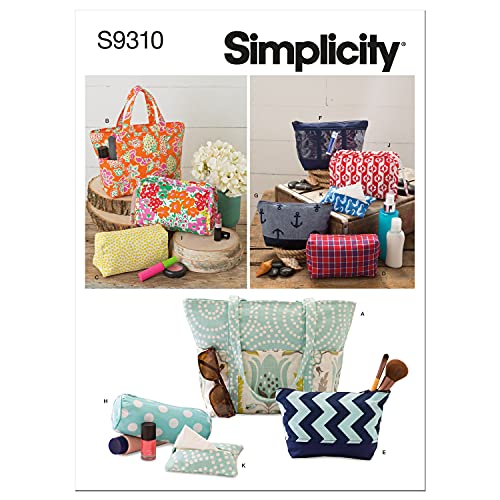
PATTERN 9310 PROJECT: This Simplicity sewing pattern guides you through making your own assorted size cosmetic tote bag packet, code, taking you from fabric to a fully finished result with all the pieces and instructions included.
Creative Personalization Ideas
A thoughtfully personalized book sleeve can elevate this humble accessory from mere protection to a charming extension of one’s reading identity, inviting endless creativity through features like interior pockets for bookmarks or pens, fabric panels that showcase delightful patterns, or delicate embroidery bearing favorite quotes or names; these handcrafted details not only enhance functionality but also celebrate the joyful individuality of every book lover, making each sleeve a uniquely treasured companion on literary adventures! Personalization ideas extend to decorative trims or ribbons, adding subtle flair without overwhelming the design. Pairing a book sleeve with a matching bookmark creates a coordinated gift, perfect for avid readers who appreciate thoughtful details. Exploring fabrics and embellishments encourages creativity, making each sleeve as distinctive as the stories it protects! Incorporating themes or quotes from inclusive relationship advice books can add meaningful context and emotional resonance to your handmade creation.
Caring for and Maintaining Your Book Sleeve
Every carefully crafted book sleeve, whether made from sturdy canvas or luxurious cotton blends, deserves attentive care to preserve its charm and function, ensuring it continues to protect prized reads (like that hefty 500-page historical novel from Penguin Classics) without losing shape or the vibrancy of its fabric. Caring for and maintaining your book sleeve involves spot cleaning stains promptly with a damp cloth and mild soap—harsh chemicals are a no-go! Regularly inspect seams and edges for wear, repairing any damage quickly to avoid further deterioration. For deeper cleaning, machine wash on a gentle cycle in cold water and air dry or tumble dry on low to prevent shrinking. Finally, store the sleeve in a cool, dry place and avoid overstuffing it, which stresses seams and shortens its lifespan—simple steps, but essential ones! Additionally, using materials with durable construction can significantly enhance the longevity of your book sleeve.
Frequently Asked Questions
How to Make a Book Sleeve DIY?
To make a book sleeve DIY, one begins with fabric selection prioritizing durability and aesthetic appeal. Accurate cutting, interfacing application, quilting, and careful sewing create a protective, cushioned sleeve tailored to desired book dimensions.
How to Protect a Book Sleeve?
To protect a book sleeve, fabric considerations are essential—choosing durable, stain-resistant materials prevents wear. Even if frequent washes are needed, selecting washable fabrics maintains protection, ensuring longevity and preserving the sleeve’s cushioning and appearance effectively.
How Much Fabric Do You Need to Make a Book Sleeve?
Fabric requirements for a book sleeve vary by size: small needs two 18×21-inch fat quarters, medium requires 7×15.5-inch pieces for batting, and large demands 9×21.5 inches. Outer and inner layers use matching fabric pieces.
How to Make a Basic Sleeve Pattern?
To make a basic sleeve pattern, one cuts fabric measuring 10.5 by 8.5 inches for outer and inner layers, adds batting and interfacing, then sews with seam allowance. Pattern variations can adjust size or add pockets.