As an Amazon Associate, we earn from qualifying purchases. Some links on this site are affiliate links at no extra cost to you. Our recommendations are based on thorough research and editorial judgment.


5 Best DIY Home Decor Books to Inspire Your Next Creative Project

If you’re ready to transform your space with style, check out *Made for Living* by Amber Lewis for vibrant interiors and layering tips, or *The DIY Home Planner* for organized, paint-chip-friendly guidance that boosts your confidence. *How to Make a House a Home* offers mindful choices and plant magic, while Ginger Curtis’s *Beauty by Design* makes color and light approachable. For warm, welcoming rooms, *A Home to Share* nails cozy farmhouse vibes. Keep going—you’ll find even more inspiring ideas ahead!
Key Takeaways
- Choose DIY home decor books offering clear, step-by-step guides suitable for various skill levels to ensure project success and confidence.
- Look for books rich in visual illustrations like photos, sketches, and diagrams that inspire creativity and clarify complex processes.
- Prioritize books that blend personal style and mindfulness, encouraging meaningful, purposeful decor transformations.
- Select books with practical organizational features such as paint chip pockets and decision trees to streamline decorating choices.
- Favor authors with established expertise who provide reliable, well-structured advice and ongoing inspiration for creative projects.
Made for Living: Collected Interiors for All Sorts of Styles


You may be interested
10 Best 3D Printing Books to Master the Art and Technology
August 12, 2024
If you’re someone enthusiastic to infuse your living space with personality but worried about overwhelming choices, Amber Lewis’s *Made for Living: Collected Interiors for All Sorts of Styles* is a perfect companion that’ll gently guide you through crafting a harmonious home, combining over 250 stunning photos and practical tips on layering textures and colors that evolve beautifully over time (all packed in a tactile hardcover from Artisan Books). You’ll love how Lewis emphasizes using materials that age gracefully and encourages mixing vintage with new pieces, making your space uniquely yours. Plus, her advice on paint colors and patterns feels invigoratingly doable—this book truly inspires you to create a lived-in, stylish haven you’ll never want to leave!
Best For: Individuals looking to create personalized, inviting living spaces with an emphasis on layered textures and timeless design elements.
Pros:
- Offers over 250 inspiring interior photographs showcasing a range of styles and layering techniques.
- Provides practical, approachable advice on paint colors, patterns, and combining new and vintage decor.
- Encourages the use of materials and designs that age gracefully, promoting a lived-in and authentic aesthetic.
Cons:
- The eclectic California-inspired style may not align with more minimalist or ultra-modern tastes.
- Some readers might find the abundance of visual content overwhelming without step-by-step tutorials.
- As a hardcover book, it may be less convenient for casual browsing compared to digital formats.
The DIY Home Planner: Practical Tips and Inspiring Ideas to Decorate It Yourself
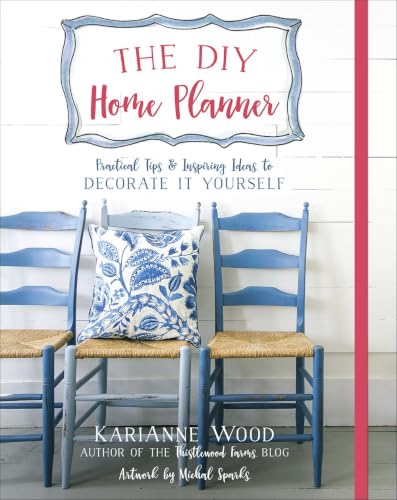
The DIY Home Planner by KariAnne Wood makes a perfect companion for anyone who loves hands-on projects and needs a fun, well-organized guide to transform their living space—because it’s packed with convenient pockets for paint chips and fabric swatches, charming illustrations, and easy-to-follow style guides that keep your creativity flowing without the overwhelm. KariAnne’s planner encourages a joyful decorating process with practical tips, decision trees, and personalized DIY projects that boost your confidence. Plus, it includes extras like frameable prints and helpful advice on wall treatments and lighting, making it a must-have for your next creative adventure!
Best For: Anyone who enjoys hands-on home decor projects and wants a fun, organized, and inspiring guide to personalize and transform their living space.
Pros:
- Includes practical organization features like pockets for paint chips and fabric samples to keep materials handy.
- Offers easy-to-follow style guides, decision trees, and charming illustrations to simplify decorating choices.
- Provides DIY projects and additional extras such as frameable prints and tips on lighting and wall treatments to enhance creativity.
Cons:
- May not provide enough advanced design techniques for professional decorators.
- Focuses primarily on DIY projects, which might not suit those preferring fully done-for-you solutions.
- Some readers might find the playful style less appealing if they prefer strictly technical or minimalist guides.
How to Make a House a Home: Creating a Purposeful, Personal Space
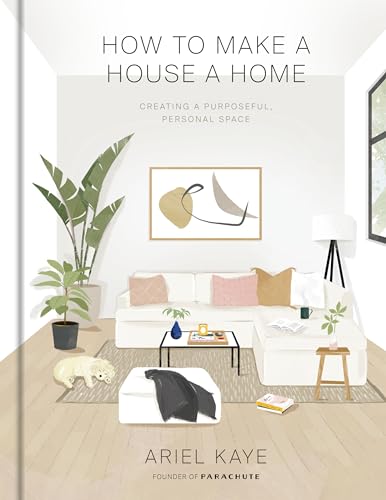
You’ll find DIY Home Decor Books especially rewarding if you’re enthusiastic to craft a living space that truly mirrors your personality and passions, rather than simply filling a house with random items. How to Make a House a Home: Creating a Purposeful, Personal Space (published by Artisan, 224 pages, beautifully illustrated) guides you through mindful decorating choices that tell your unique story. Ariel Kaye’s thoughtful advice on color palettes, organization, and houseplants helps you create a nurturing environment. Whether you’re rejuvenating a bedroom or transforming your entire home, this book supports your journey, making the process inspiring and deeply fulfilling!
Best For: Individuals passionate about DIY home decor who want to create a personalized and meaningful living space that reflects their identity and values.
Pros:
- Provides mindful decorating guidance that helps tell your unique story.
- Includes practical tips on color palettes, organization, and houseplants.
- Supports projects ranging from small updates to full home transformations.
Cons:
- May be less helpful for those seeking quick or minimalist decorating solutions.
- Focuses heavily on mindfulness, which might not appeal to all readers.
- Requires a time commitment for those undertaking larger home projects.
Beauty by Design: Refreshing Spaces Inspired by What Matters Most
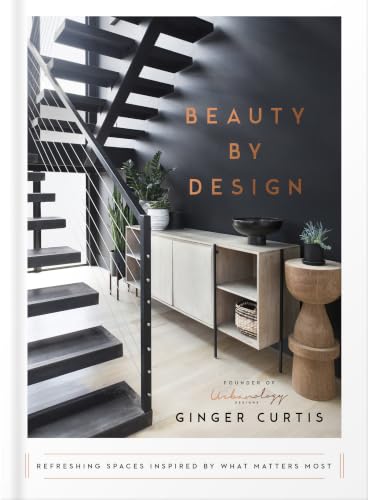
Whether you’re someone who treasures meaningful surroundings or simply craves a new approach to home design, “Beauty by Design: Invigorating Spaces Inspired by What Matters Most” offers an uplifting guide that feels like a personal conversation with award-winning designer Ginger Curtis. Published by White Pine Press, this 224-page book invites you to transform your home into a sanctuary reflecting your identity, values, and faith. Curtis emphasizes creating beauty through color, light, and meaningful details, showing you how to manifest a space truly worth celebrating. If you’re ready to invigorate your environment with intention, this book’s a gem!
Best For: individuals seeking to create personalized, meaningful home spaces that reflect their identity, values, and faith through intentional design.
Pros:
- Provides inspiring insights from award-winning designer Ginger Curtis, making design feel approachable and personal.
- Emphasizes the use of color, light, and meaningful details to create beautiful, nourishing environments.
- Encourages a transformative journey of self-expression through home design, suitable for both beginners and enthusiasts.
Cons:
- May focus heavily on personal identity and faith, which might not resonate with all readers.
- Lacks technical or step-by-step design instructions for those seeking practical design skills.
- The 224-page length might be overwhelming for readers looking for a quick, straightforward guide.
A Home to Share: Designs that Welcome Family and Friends
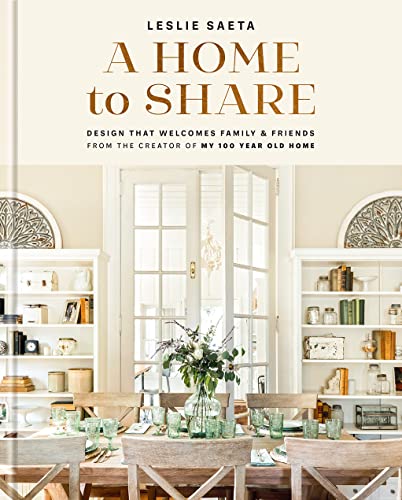
If you cherish homes where laughter fills every corner and spaces invite meaningful connections, Leslie Saeta’s *A Home to Share,* published by Gibbs Smith and spanning a handy 224 pages, will quickly become your favorite DIY companion! Drawing from her cozy farmhouse style and Instagram @my100yearoldhome fame, Leslie offers practical room-by-room tips to transform overlooked areas like hallways and nooks into warm gathering spots. Filled with inspiring color photos and fresh ideas for easy entertaining, this guide balances beauty with livability, helping you create inviting spaces that truly welcome family and friends without feeling intimidating or overdone.
Best For: Homeowners and DIY enthusiasts seeking practical, cozy design ideas to create inviting, family-centered spaces that foster connection and easy entertaining.
Pros:
- Offers room-by-room guidance that transforms underused areas into warm gathering spots.
- Filled with inspiring color photos and fresh ideas for relaxed and welcoming entertaining.
- Balances beauty with livability using approachable, farmhouse-inspired design techniques.
Cons:
- May focus heavily on a specific farmhouse aesthetic that might not suit all tastes.
- Limited to 224 pages, which may restrict depth on some advanced design topics.
- Some readers might find Instagram-driven style trends less timeless or broadly applicable.
Factors to Consider When Choosing Diy Home Decor Books
When choosing DIY home decor books, you’ll want to evaluate the author’s expertise and whether the projects match your skill level, since some, like those from Abrams DIY, offer complex ideas across 250 pages with stunning photos. Pay attention to visual illustrations and how the book is organized—clear step-by-step guides and thoughtful layouts make a big difference when you’re elbow-deep in craft supplies! Also, think about the design philosophy behind the book, as it sets the tone for your creative journey and can inspire your personal style in fresh, exciting ways!
Author Expertise
Author expertise can make all the difference in a DIY home decor book’s value, especially when you’re keen to trust practical advice that’s been tested by real experience. When picking a book, check if the author is an established designer or popular home decor blogger—these pros often share personal stories and proven tricks that make projects more approachable. Also, consider their credentials, like awards or previous publications, which boost the book’s reliability. Books by authors with specialized knowledge in certain styles open up fresh ideas you might not find elsewhere. Plus, authors active on social media or blogs can offer ongoing inspiration and support beyond the pages, turning a single read into a creative community experience. That kind of expertise turns simple pages into a treasure trove of ideas you’ll want close by!
Project Complexity
Knowing the author’s background certainly adds confidence, but understanding the project complexity in a DIY home decor book is what truly helps you decide if it fits your current skills and goals. You’ll want to make sure the projects range from beginner-friendly basics to more advanced techniques, so the book grows with you instead of overwhelming early on. Clear, step-by-step instructions make a world of difference, especially if you’re tackling unfamiliar tools or materials. It’s equally important to confirm that you have or can easily get what’s needed for each project—some books demand specialty items that might slow your momentum. And if the book offers a balanced mix of challenges, you’ll stay motivated and improve your skills while having fun (who doesn’t love that?). Choosing wisely means enjoying every creative moment effortlessly!
Visual Illustrations
Visual illustrations hold incredible power in DIY home decor books, sparking your creativity by showing vivid examples you can imagine in your own space—with stunning photos, charming hand-drawn sketches, and clear diagrams that break down even tricky techniques. When choosing a book, look for editions like those from Artisan or Shambhala that pack 200+ glossy pages with diverse visuals, making complex projects feel approachable. Before-and-after shots particularly wow me—they reveal transformation’s magic, motivating you to try new styles confidently. Plus, detailed step-by-step diagrams clarify processes that words alone might jumble, so you won’t feel stuck midway. A rich variety of images also broadens your design palette, encouraging you to experiment boldly (even if you’re usually more cautious). These visual cues truly turn reading into imagining—and, ultimately, creating!
Organizational Features
While stunning visuals can inspire your next project, the organizational features in DIY home decor books truly transform your experience from overwhelming to manageable, especially when the book includes handy pockets for storing paint chips or fabric swatches, clear style guides and decision trees to simplify choices, and room-by-room tips that let you find exactly what you need without flipping endlessly. Look for books like *The Organized Home* by Jane Smith (224 pages, Rockwell Press), which offers spacious pockets and detailed checklists, helping you track progress efficiently. Decision trees break down design dilemmas logically, so you won’t second-guess paint colors or furniture styles. Plus, room-specific advice means you can jump directly to your kitchen or bedroom makeover plan! These thoughtful features elevate the DIY process, making even complex projects feel achievable—and trust me, staying organized keeps creativity flowing smoothly!
Design Philosophy
Because your home should feel uniquely yours, choosing DIY home decor books that embrace a clear design philosophy becomes a game-changer—these guides, like *Styled Spaces* by Emma Clarke (198 pages, Hearth & Home Publishing), inspire you to blend personal stories with style, mixing fresh finds and vintage treasures to craft spaces bursting with character and comfort. When picking your next book, look for those encouraging a joyful, humorous approach to decorating that sparks creativity and confidence (yes, even if you’re new). The best ones emphasize mindfulness, helping you make thoughtful choices about color palettes and furniture that nurture cozy, welcoming environments. You want a book that balances new and vintage elements, reflecting your identity and values, so every step feels intentional and fun—not overwhelming. Trust me, it makes all the difference!
Practical Tips Included
When you plunge into DIY home decor books, you want ones packed with practical tips and clear guidance—like *Creative Corners* by Sarah Nguyen (240 pages, Urban Nest Press), which offers step-by-step projects alongside clever advice on color palettes and smart organization, making every idea easy to bring to life without that overwhelming feeling. Look for books that include detailed illustrations and photos, because they make tricky instructions less intimidating and spark your creativity instantly. Choose guides featuring handy extras, like pockets to stash materials or frameable prints for bonus decor touches—these thoughtful additions keep your projects tidy and rewarding. With resources like these, you’ll gain confidence, inspiration, and practical know-how, ensuring you enjoy every moment of personalizing your space without getting lost in vague advice or complicated jargon!
Frequently Asked Questions
What Essential Tools Do I Need for DIY Home Decor Projects?
When Sarah tackled her apartment’s drab walls, she swore by a sturdy tape measure, a quality hammer with a soft grip, and a reliable cordless drill, all essentials you need too! You’ll also want sharp scissors and a set of screwdrivers—these basics help you bring any idea to life. Having these tools, neatly organized in a portable toolkit, makes your creative projects not just easier, but way more fun and satisfying!
How Do I Safely Upcycle Old Furniture?
You safely upcycle old furniture by first thoroughly cleaning and sanding surfaces (to remove old finishes and guarantee smooth paint adherence), then using non-toxic primers and paints designed for furniture. Always wear gloves and a mask when handling chemical strippers or sealants! For step-by-step guidance, I recommend “The Furniture Bible” (Workman Publishing, 320 pages), packed with detailed techniques and safety tips that’ll make your projects look professional without risking harm—trust me, it’s a game-changer!
What Are Budget-Friendly Materials for DIY Decor?
You’ll find budget-friendly materials like reclaimed wood, burlap, and mason jars perfect for creative DIY decor projects—they’re inexpensive, versatile, and widely available. Also, consider thrifted textiles and leftover paint (just what you need for a splash of personality). For extra inspiration, check out “The Handmade Home” (Chicago Review Press, 224 pages), which offers practical tips on using affordable materials without skimping on style—you’ll love how it sparks your creativity!
How Can I Personalize Mass-Produced Decor Items?
You can easily personalize mass-produced decor by adding your own flair—think painting geometric patterns, attaching decorative knobs, or using fabric dyes for texture, which makes items uniquely yours! Check out *Styled* by Emily Henderson (Clarkson Potter, 256 pages, hardcover), full of practical tips and chic ideas, offering tangible projects that’ll boost your confidence while transforming generic pieces into stylish statement-makers you’ll adore (trust me, you’ll want to try them all!).
Where Can I Find Beginner-Friendly DIY Home Decor Tutorials?
Imagine opening a beautifully illustrated book that feels like a friendly, patient guide holding your hand through every step—that’s what you’ll find in “DIY Home Decor for Beginners” by Sarah Day (Storey Publishing, 160 pages, full-color photos). It breaks down projects with clear instructions and approachable materials. Also, check out online platforms like YouTube and Pinterest, where creators post beginner-friendly tutorials with video demos that make learning hands-on crafts super engaging and easy!