As an Amazon Associate, we earn from qualifying purchases. Some links on this site are affiliate links at no extra cost to you. Our recommendations are based on thorough research and editorial judgment.

How to Properly Store and Preserve Antique Books

Storing antique books demands safe shelving—preferably wood treated with water-based finishes or ventilated metal with baked enamel—to avoid chemical damage and moisture buildup. Shelve volumes upright with sturdy bookends, leaving a thumb’s width space to prevent warping, while oversized tomes rest horizontally in small stacks. Maintain 60-70°F temperatures and 30-50% humidity, protect from direct sunlight, and handle fragile volumes gently, using clamshell cases when possible! These foundational tips guarantee your treasures endure beautifully; explore further to uncover advanced preservation strategies!
Key Takeaways
- Store antique books upright by size with sturdy bookends, leaving a thumb’s width between to prevent binding pressure and warping.
- Use ventilated shelving, preferably wood treated with water-based finishes, to enhance airflow and minimize moisture accumulation.
- Maintain stable temperatures between 60-70°F and relative humidity at 30-50% to prevent mold and deterioration.
- Protect fragile books with clamshell cases and retain dust jackets to safeguard aesthetics and value.
- Keep books away from direct sunlight and heat sources, using UV-filtering glass when necessary to prevent fading and fiber damage.
Selecting Safe Shelving Materials
Choosing the right shelving material is an essential step for anyone enthusiastic to preserve antique books in pristine condition, as improper shelving can trigger chemical reactions or trap moisture that accelerates deterioration. Safe shelving materials are vital, so metal shelves without a protective baked enamel finish should be avoided, as they may release harmful chemicals. Wood shelves, especially older ones, are generally safer, but only if treated with water-based aliphatic urethane or a two-coat epoxy, which creates a barrier to prevent damage. In damp environments, ventilated shelving enhances airflow, reducing the risk of moisture buildup—an often overlooked factor. Opting for shelves carefully designed with safety in mind can truly extend the life of treasured antique volumes, making this a fundamental preservation choice every collector should embrace! Additionally, considering storage in a cool, dry place helps prevent fading and deterioration over time.
Recommended Products
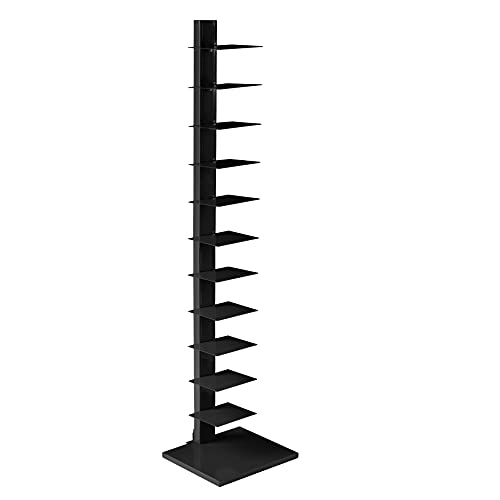
[STORAGE CABINET]: SEI Furniture's cabinet brings transitional design storage to bedrooms, living rooms, guest rooms, and hallways; Iron frame provides substantial weight and classic stability

Foldable Design: Folding bookshelf can be folded when not in use, only takes up a small space, which can save your space

Open Bookcase with Sturdy Construction: IRONMIX black bookcase 3 tier is made of 0.7mm high-quality cold-rolled steel, which is stronger than typical steel, not easily deformed. Reinforcing ribs at the waist and bottom of the back panel, further increasing the strength of the library bookshelf and bookcase
Proper Placement and Organization of Books
Once shelving materials have been carefully selected to guard against moisture and harmful chemicals, attention naturally turns to how the antique books themselves should be placed and organized. For avid book collecting enthusiasts, organizing volumes by size is essential to prevent taller books from leaning on shorter ones, which can cause long-term warping. Books should be shelved upright with a thumb’s width of space between them to avoid pressure on bindings and cover abrasions. Sturdy, tall bookends are invaluable to keep books upright without leaning. Oversized or flat books—those wider than three inches or taller than 18 inches—are best stored horizontally, stacked no more than three high to prevent spine strain. In humid environments, ventilated shelving boosts air circulation, protecting precious collections from mold and deterioration. Proper placement is vital for preserving these timeless treasures! Incorporating knowledge of signal integrity used in hardware design ensures materials and placement prevent damage from environmental factors.
Recommended Products

VFINE Heavy Duty Metal Bookends -- Made of heavy gauge steel with advanced stamping processing, strong and heavy enough to keep all your books neat and upright. Sturdy and long-lasting all-metal construction with one-piece molding without solder joints.

VFINE Heavy Duty Metal Bookends -- Made of heavy gauge steel with advanced stamping processing, strong and heavy enough to keep all your books neat and upright. Sturdy and long-lasting all-metal construction with one-piece molding without solder joints.
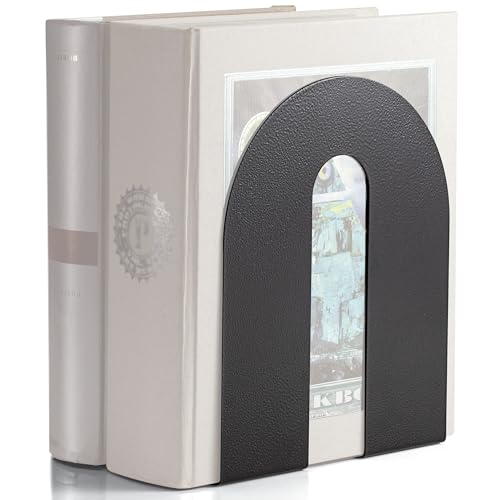
HEAVY WEIGHTED BOOKENDS: Designed with a weighted base to keep records, books, binders, manuals, and media securely upright on shelves, desks, or storage units.
Techniques to Protect Fragile Volumes
Handling fragile volumes with care truly transforms the preservation experience, as gentle movements and minimal pressure safeguard delicate bindings and crisp pages from the wear that can accumulate over decades (or centuries, if you’re lucky!). Using clamshell cases offers an excellent shield against external damage, providing a snug, protective enclosure for especially vulnerable books. Additionally, maintaining dust jackets in pristine condition not only preserves their aesthetic appeal but also enhances their market value, serving as a first line of defense against dust and scratches. Regular inspections for discoloration or binding wear alert owners to early deterioration, enabling prompt intervention and preventing irreversible harm. These techniques—thoughtful handling, protective casings, and vigilant monitoring—cordially invite antique books to age gracefully, delighting collectors and bibliophiles alike with their enduring charm! For a fun and interactive way to encourage young readers to cherish and track their antique or classic books, consider using a scratch-off poster designed to inspire reading enthusiasm.
Recommended Products

DISCLAIMER: This custom molded case WILL NOT FIT any other DELL model. This is specific for 11.6 inch Dell Chromebook 3120 | 3110 | 3100 (Clamshell). Please verify your computers exact make and model found at the back of your device.

Check Your Model: Designed exclusively for the 2021-2019 Dell Chromebook 11 inch 3120 3110 3100 Clamshell 180-degree.

LParkin book sleeve is made of high-quality 800D canvas and waterproof material, and strict tailoring technology ensures that the book sleeve you receive is perfect. No irritating smelling, No harm to health, No low-grade materials. It's just a high-quality book sleeve!
Maintaining Optimal Environmental Conditions
Although the idea of storing antique books might conjure images of dusty attics or dimly lit libraries, maintaining a stable environment with temperatures ideally between 60-70°F and relative humidity levels hovering around 30-50% truly sets the foundation for long-term preservation! Environmental conditions are essential because fluctuations in temperature or moisture cause warping, cracking, or mold growth, threatening those precious pages and bindings. Ensuring adequate air circulation—especially in humid climates—helps prevent dampness, while shielding books from direct sunlight using UV-filtering glass preserves their colors and delicate materials. It’s also important to keep volumes away from heat sources like radiators, which dry out fibers and accelerate deterioration. Regularly monitoring and adjusting these factors creates a protective, balanced space—a game changer for any collector’s treasured library! Using checklists and templates from project management resources can help systematically maintain optimal storage conditions.
Recommended Products

Wellness Indicator: This humidity meter with humidity level icon indicates air conditions - DRY/COMFORT/WET, allowing this humidity sensor to ensure you’re always aware of changes to your home/household with just a quick glance

Smart App Control: Easily monitor temperature and humidity in real-time on the app. 262ft connecting distance (no obstacles) allows you to quickly get data remotely from anywhere in your home. (Not WiFi Version)

[High Accuracy & 5s Fast Refresh]: Built-in smart temperature humidity sensor, the indoor thermometer is accurate to ±1°F while humidity is ±5%RH. Enjoy precise data from the room thermometer indoor every 5 seconds
Recent Innovations and Trends in Rare Book Care
A notable development in rare book care involves the growing popularity of clamshell cases, which offer exceptional protection by snugly encasing fragile volumes and shielding them from environmental fluctuations, dust, and the wear-and-tear of frequent handling—a simple innovation that truly elevates a collector’s preservation game! Recent innovations also highlight the critical role of stable humidity and light levels, ensuring longevity while avoiding damage. Additionally, baked enamel-finished metal shelving is gaining favor as a safer alternative to traditional wood, reducing chemical exposures that can harm delicate pages. Enthusiasts increasingly perform regular inspections to catch early deterioration signs, reflecting a proactive preservation mindset. Meanwhile, online platforms like Antikvariat.net foster vibrant collector communities, encouraging engagement with cutting-edge care techniques and making rare book stewardship more accessible than ever! Moreover, many collectors find that participating in online communities and courses enriches their practical knowledge of rare book preservation strategies.
Recommended Products
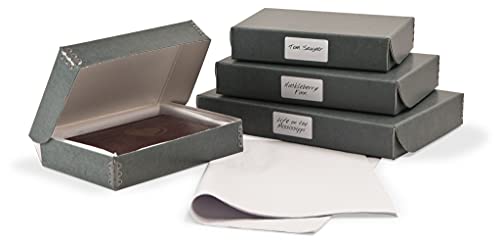
SIZED RIGHT: Specifically sized to safely store books, journals or diaries

Clear Acrylic Construction: The Book Display Case is meticulously crafted from 1/8" (3mm) thickness clear acrylic, offering a crystal-clear view that beautifully frames and enhances your book. The transparency adds an eye-catching and visually appealing element to the display.

Frequently Asked Questions
What Is the Best Way to Store Antique Books?
Like a castle guarding treasures, the best way to store antique books is with meticulous climate control, upright support, and gentle space. This sanctuary prevents decay, preserving stories through balanced air and unwavering architectural care.
Should Old Books Be Stored Upright or Flat?
Old books wider than three inches or taller than 18 inches benefit from flat storage, while others suit upright positioning. Storage techniques emphasize proper support, size organization, and limited stacking to prevent warping and preserve structural integrity.
How to Preserve a 100 Year Old Book?
Preserving a 100-year-old book requires optimizing its book climate, maintaining 65-70°F temperature and 40-50% humidity. Like using a floppy disk for data, acid-free storage avoids damage, while gentle handling prevents wear and tear.
How to Make Sure Old Books Don’t Have Bugs?
Pest prevention for old books involves regular inspections for signs of infestation, maintaining low humidity, using airtight storage, incorporating natural deterrents like cedar, and stabilizing temperature to inhibit bug activity and protect valuable antique collections effectively.