As an Amazon Associate, we earn from qualifying purchases. Some links on this site are affiliate links at no extra cost to you. Our recommendations are based on thorough research and editorial judgment.

The Pros and Cons of Different Bookshelf Materials

Different bookshelf materials offer exciting choices to match your needs! Solid wood is sturdy and timeless, perfect for heavy collections but needs upkeep to avoid scratches. Plywood balances strength and moisture resistance affordably, while MDF and particleboard suit lighter loads but risk sagging. Metal shelves provide durable, low-maintenance options with sleek style, and glass or acrylic add modern flair though hold less weight. Each has unique environmental impacts and price points, so exploring these details reveals smarter decisions for your perfect shelf!
Key Takeaways
- Solid wood bookshelves offer excellent durability and traditional style but require regular maintenance and come with a higher price tag.
- Metal bookshelves provide strong support and low upkeep, fitting modern designs but may rust in humid environments.
- Plywood shelves balance sturdiness and moisture resistance, suitable for varied decor, yet need sealing to prevent damage.
- MDF and particleboard are budget-friendly but prone to sagging and may emit harmful chemicals like formaldehyde.
- Glass and acrylic shelves look stylish for light items but have limited weight capacity and need careful maintenance to avoid scratches.
Solid Wood: Strengths and Limitations
A solid wood bookshelf offers impressive strength and durability, making it a fantastic choice for anyone looking to support heavy collections—think of a vintage 800-page coffee table book from Taschen or a bulky hardcover novel with glossy dust jackets. Solid wood stands out for its remarkable strength and stability, capable of holding weighty volumes without sagging, while showcasing beautiful natural grain patterns that add warmth and character to any room. The pros and cons of solid wood reveal a major plus in longevity—thanks to its ability to be sanded and refinished—yet the higher cost and sensitivity to moisture, which can cause warping if not properly maintained, may give some pause. Nonetheless, its timeless appeal and robustness often outweigh these concerns for dedicated book lovers! Additionally, durability considerations highlight the importance of organized formats that can facilitate easy navigation when selecting or storing books on robust shelving.
Recommended Products

Finish: Black, Reddish Brown rub-through

Grand Library: Transform your room into a sophisticated study with this massive executive bookcase wall, providing vast storage space for your extensive book collection and decor.

[Premium Solid Wood Construction]: Crafted from high quality solid wood, this bookcase provides a durable structure designed to withstand years of use while showcasing the wood grain
Advantages and Disadvantages of Plywood
Although sometimes overlooked in favor of solid wood, plywood emerges as a surprisingly resilient and practical choice for bookshelf construction, especially for showcasing collections like Taschen’s stunning 800-page coffee table editions or a series of hefty hardcover novels with glossy dust jackets! Its layered construction offers impressive structural integrity, resisting sagging better than many alternatives. Plywood’s moisture-resistant qualities make it a smart pick for spaces prone to humidity changes, although prolonged exposure can cause it to delaminate, so proper sealing is essential. While plywood is lighter and easier to handle during installation, its visible layers often require edge banding to avoid an unfinished, rough look—something builders should definitely plan for. Overall, plywood balances durability, weight, and moisture resistance beautifully, but homeowners should avoid neglecting maintenance to preserve its strength and aesthetics. For those looking to complement their bookshelf with stylish accessories, books like Live Beautiful can provide actionable interior design concepts to enhance overall room aesthetics.
Recommended Products

DURABLE & EASY TO CLEAN - Crafted with durable laminate featuring attractive Maple & Shadow Elm Gray finishes. Laminate surface is effortless to maintain, keeping it clean and sanitized for children's safety.

produced from A-grade finger jointed veneer selected for color and grain consistency

EXTRA CLEAN "A" GRADE NATURAL WOOD VENEER EDGING – Highest grade veneer quality unglued , fleeced back and sanded wood veneer edging for repair or enhancing cabinetry, furniture, DIY projects, shelving, crafts and more. Finely sanded to perfection, this plywood edge banding provides a perfect finish to your projects
The Benefits and Drawbacks of MDF and Particleboard
When hunting for bookshelf materials that won’t break the bank, MDF and particleboard stand out as surprisingly practical choices, especially for those keen to house a colorful array of paperback thrillers or a whimsical stack of graphic novels with glossy covers! These materials offer a smooth surface ideal for painting, allowing custom colors and finishes that complement any room’s vibe. However, MDF and particleboard can suffer sagging under the weight of larger books (think thick, 500-page tomes), limiting long-term support. Their vulnerability to moisture damage—swelling and warping if exposed to dampness—also restricts placement options, making them less suitable for humid basements or kitchens. While they remain budget-friendly choices, edge chipping frequently occurs, requiring additional touches like edge banding to boost durability and keep shelves looking fresh! Additionally, understanding material properties can help in selecting the best shelf design to balance both aesthetics and function.
Recommended Products

✔️ SET INCLUDES- white grain door with strips, trims, pocket frames, door hangers, tracks, floor guide, round pocket pulls, screws. Door with all pocket hardware included. Recommended opening: 65" x 88 1/2" inches.

HIGH QUALITY WOOD Bookcase: This white bookcase is made of a solid wood frame and thickened MDF board, which ensures the whole wooden bookshelf is robust, stable, and durable.

A complete set of living room furniture modern entertainment center, solve your matching worries. High gloss fronts with matte body, made of high quality MDF, durable and stylish, perfect decoration for your home!
Metal Bookshelves: Pros and Cons
While metal bookshelves may lack the warm, textured charm of wooden options, their exceptional durability and sleek modern appeal make them a standout choice for those enthusiastic to showcase hefty hardcover editions—think sprawling encyclopedias or deluxe coffee table books with glossy, dust-jacketed covers! Metal bookshelves boast impressive structural integrity, effortlessly supporting stacks of weighty volumes without sagging or warping over time, a true boon for serious collectors. Maintenance is surprisingly simple, usually just requiring a quick wipe-down, though owners must stay vigilant for scratches and potential rust spots, which can complicate upkeep. However, the unmistakable sleekness of metal comes with some safety risks; sharp corners may pose hazards, especially in homes with children, where wooden shelves might offer a gentler physical profile. Overall, metal shelves brilliantly marry resilience with style! Just as athletes must prioritize evidence-based training to achieve peak performance, selecting bookshelf materials with proven durability ensures long-term satisfaction and utility.
Recommended Products

Includes three bookcases and one traditional decorative wood ladder

This 6-tier tall, modern wall mount bookcase or shelving wall unit for shelving up any space with its industrial and modern style of white wood and metal.

【48" W X 24" D X 72" H Garage Shelving offers Monster Storage Space】--PrimeZone garage shelving are composed of double-layer thickened heavy duty metal support posts and bolded metal wire net shelves. Each shelf add an additional middle support beam, which can greatly improve the stability and load-bearing capacity of the storage shelf unit. The heavy duty shelving has a load capacity of 550 lbs per tier, and a total load capacity of 2500 lbs for 5 tiers metal shelving unit.
Glass and Acrylic Shelves: What to Consider
Taking a step away from the sturdy, industrial charm of metal, glass and acrylic shelving invite a different kind of appeal that effortlessly brightens a room by allowing light to filter through their transparent surfaces, transforming even the most compact spaces into airy, elegant showcases for literary treasures like Taschen’s visually stunning, oversized art books or slender Penguin Classics that benefit from this open display. Glass shelves offer a sleek, modern look but require diligent maintenance since fingerprints and smudges easily mar their clarity. Acrylic shelves, though lighter and shatter-resistant—ideal for homes with kids or pets—are more prone to scratches and need gentle care to preserve their shine. Both types usually have a limited weight capacity, so heavy volumes demand added support to prevent damage or sagging—definitely something to keep in mind! For those interested in theology, highlighting books that blend classics and modern works can enrich your shelf’s collection and bring deeper contextual meaning to your displays.
Recommended Products

🎀【Iconic & Customizable Centerpiece】Create unforgettable moments with this classic British red telephone booth replica! Perfect for transforming weddings, garden parties, and special events into timeless London-style settings. Add custom logos or colors to make it a unique photo backdrop and decor highlight.

【Modular Farmhouse Bookshelf & Storage System】Create a versatile storage wall with this modular farmhouse bookshelf system. Designed as a scalable bookcase solution, it allows you to start with a single bookshelf and expand into a cohesive, wall-style configuration. Perfect for growing households, this system adapts to your space over time, providing a refined and polished storage solution for living rooms, offices, or multi-purpose areas.
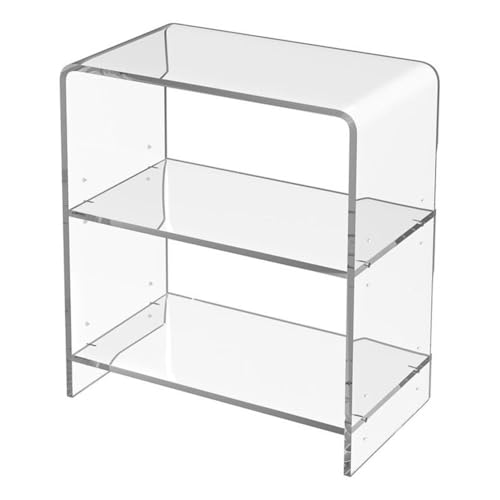
Crafted from clear acrylic and featuring a minimalist modern design, this bookcase's understated look lets your favorite photobooks or intriguing objects d'art take center stage.
How Material Quality Influences Cost and Appearance
Although the upfront investment varies widely, choosing solid wood for bookshelves drastically transforms both their appearance and durability, offering rich natural grain patterns that no veneer or laminate can fully replicate—think of a gleaming walnut surface cradling oversized Taschen art volumes or classic Penguin paperbacks with timeless spines. Solid wood shelves boast unmatched elegance but come with a higher price, reflecting their authentic natural wood quality and lasting appeal. In contrast, medium-density fiberboard offers a budget-friendly alternative, yet its finishes, although increasingly sophisticated, still fall short of replicating true wood textures. This difference in material quality directly influences cost and appearance, making solid wood a worthy splurge for those craving distinctive character and charm in their home libraries! Enhancing practical writing tips can also help in crafting descriptions that enhance the persuasive appeal of such material choices.
Durability Comparisons Among Bookshelf Materials
Numerous factors determine the durability of bookshelf materials, with metal bookcases standing out for their exceptional resistance to wear and warping, making them ideal for housing hefty Taschen volumes or collectible Penguin editions year after year without a hint of sagging. Solid wood bookshelf options offer impressive durability thanks to robust wood finishes that help protect against cracking, although they can still warp over time if neglected. Engineered wood, while more affordable, falls short in durability, prone to wear and swelling under heavy weight or moisture exposure. Plywood fares better among engineered options, resisting sagging and moisture more effectively but still vulnerable to delamination over time. For those who value longevity alongside style, metal and well-finished solid wood provide the best assurance that treasured library collections remain perfectly supported and safe! Additionally, attention to material quality and finish can significantly influence the lifespan and performance of bookshelf materials.
Maintenance Requirements for Different Materials
Having explored how durability varies among metal, solid wood, engineered wood, and plywood, attention now shifts to the upkeep each material demands to stay looking sharp and structurally sound. Metal bookshelves are a breeze—they require minimal maintenance, just occasional cleaning, though rust protection is a must in humid spaces. Solid wood shelves call for a bit more love: regular dusting, sanding, and refinishing to handle scratches, plus sealing to guard against moisture-induced warping. Engineered wood, such as MDF or particleboard, is relatively low-maintenance but notoriously sensitive to water, so sealing and keeping them dry is essential. Plywood sits comfortably in the middle, offering decent moisture resistance with proper sealing, though spotting delamination early is key. Proper maintenance truly extends any wood’s lifespan—worth the effort to keep those shelves stunning! Just as with air fryer cookbooks that emphasize maintenance tips to help users confidently handle their appliances, regular care is crucial to preserving bookshelf quality and longevity.
Environmental Impact and Health Factors of Bookshelf Materials
The importance of environmental impact and health considerations cannot be overstated when selecting bookshelf materials, as these choices influence both indoor air quality and long-term sustainability. Solid wood, often praised for being natural and biodegradable, usually offers a healthier option by emitting fewer volatile organic compounds compared to engineered wood products like MDF or particleboard, which contain adhesives that may release formaldehyde and other harmful chemicals. Environmental impact hinges on responsible sourcing, so choosing sustainably harvested wood is essential! Even metal shelves, while recyclable and durable, vary in their ecological footprint depending on manufacturing processes. Additionally, finishes applied to any material — especially those with low-VOC or eco-friendly formulas — substantially affect health factors and environmental impact, making careful selection a significant step toward a safer, greener bookshelf choice! Considering evidence-based studies on health risks associated with chemicals in materials can guide safer choices.
Matching Bookshelf Materials to Interior Styles
Although choosing a bookshelf material might seem like a purely practical decision, it can dramatically shape a room’s overall vibe and personality, transforming a simple storage solution into an eye-catching centerpiece! Solid wood bookshelves bring timeless charm to traditional, rustic, or farmhouse interior design, their natural grain adding warmth and character. For sleek, modern spaces, metal bookcases perfectly complement minimalist or industrial Styles and Designs, while open-back bookcases, crafted from wood or metal, lend an airy feel ideal for eclectic or mid-century settings. Versatile plywood shelves, enhanced with veneers, adapt to both modern and classic tastes. Plus, a well-chosen corner bookcase, whether wooden or metallic, maximizes space in contemporary or traditional homes, combining functionality with unique style flair—making book storage an essential design element worth celebrating! Incorporating quality materials like acid-free, archival-quality paper in related storage accessories ensures longevity and a premium user experience.
Budgeting for Quality: Material Costs Explained
When picking a bookshelf, balancing style with cost quickly becomes a practical puzzle worth solving! Bookshelves come in many materials, each with varying upfront cost and value. MDF and particleboard offer a cost-effective alternative to solid wood, typically between $100 and $200, ideal for tight budgets but less durable and moisture-resistant. Plywood, priced from $200 to $500 depending on veneer quality, presents a sturdier alternative to solid wood that resists sagging better than MDF. Solid wood, though premium, can exceed $1,500, reflecting classic durability and timeless appeal. Metal options, ranging $150 to $600, balance modern style with strong endurance. Budget-conscious shoppers should also consider hidden expenses like shipping and assembly fees, which can unexpectedly influence the overall investment. Choosing wisely means juggling price, quality, and style enthusiastically!
Factors to Consider When Choosing Bookshelf Material
Choosing the right bookshelf material involves balancing several key factors, each impacting durability, style, and long-term satisfaction! First, consider the weight capacity needed, since solid wood and metal excel at supporting significant weight, unlike MDF or particleboard, which tend to sag under heavy loads. Environmental conditions also play a big role—solid and engineered wood can warp or swell in humid areas, making metal a sturdier option for moisture-prone spaces. Aesthetic appeal matters too; solid wood offers timeless, natural grain patterns, while metal showcases a sleek, industrial vibe. Maintenance differs as well: metal demands little upkeep, whereas wood might require occasional refinishing. Finally, budget affects choices, with lower-cost materials possibly costing more over time due to faster wear, so thoughtful weighing of these factors guarantees bookshelves that last and delight!
Frequently Asked Questions
What Is the Best Material for a Bookcase?
Which material best balances shelf durability and design aesthetics in diverse bookcase styles? Solid wood often emerges as the top choice due to its longevity, timeless beauty, and lower environmental impact compared to synthetic alternatives.
What Is the Bookshelf Rule?
The bookshelf rule emphasizes appropriate shelf spacing and weight distribution by placing heavier books on lower shelves. It considers load capacity and style preferences to balance stability and visual appeal, optimizing organization and safety.
What Shelving Material Is Strongest?
Solid wood exhibits the greatest shelf weight support due to superior load capacity, material durability, and robust structural integrity. Metal also offers exceptional strength, but solid wood remains the strongest for heavy bookshelves overall.
Are Metal Bookshelves Better Than Wood?
Metal bookshelves generally offer superior metal durability and weight capacity, while wood aesthetics provide warmth and style. Cost comparison varies, with metal often more affordable but less eco-friendly, making the better choice dependent on user priorities.