As an Amazon Associate, we earn from qualifying purchases. Some links on this site are affiliate links at no extra cost to you. Our recommendations are based on thorough research and editorial judgment.

How to Repair Damaged Book Pages at Home

Repairing damaged book pages at home starts with evaluating the tear’s type and selecting supplies like acid-free tapes (Filmoplast or Lineco) for small rips, or elegant Japanese paper paired with wheat paste for reversible fixes. Moisture-damaged pages need gentle drying and careful pressing with waxed paper to avoid further harm. Handling repaired pages with cotton gloves and storing books away from sunlight vastly improves longevity. Dive deeper to uncover savvy techniques that deliver lasting, visually seamless repairs!
Key Takeaways
- Analyze the tear type and paper condition before choosing repair materials like acid-free tape or Japanese paper.
- Use acid-free tape or mending tissue for small tears, cutting slightly larger than the tear for strong, flexible repairs.
- Apply Japanese paper with wheat paste for reversible, delicate repairs on torn pages, ensuring full adhesion and protecting nearby pages.
- Gently dry moisture-damaged pages in a ventilated area and separate stuck pages with waxed paper before repairing.
- Store repaired books in climate-controlled environments and handle with clean hands or gloves to protect repaired pages.
Assessing the Damage and Choosing Repair Materials
When first approaching the delicate task of mending a damaged book page, it’s essential to carefully analyze the nature of the tear—whether it’s a neat slice, a ragged rip, or something more complex (because, honestly, every tear tells a story). Evaluating the damage thoroughly—checking if the edges align cleanly or if the paper fibers are frayed—sets the stage for choosing the right materials. Filmoplast paper often comes highly recommended for its strong, flexible qualities, perfect for small, neat tears requiring a nearly invisible fix. Meanwhile, preparing waxed paper nearby is a smart move; it prevents adhesives from sticking to surfaces during the repair. This thoughtful preparation not only protects the page but guarantees the final results are durable and clean—a satisfying step that any book lover can appreciate! Additionally, considering the use of handmade recycled cotton paper as a repair material can enhance both the aesthetic and archival quality of the mend.
Recommended Products

High quality: Archival material created and made in USA. Lineco is a leading and trusted brand for archival and high quality art, photography, and framing supplies.

Lineco is a leading manufacturer of archival quality materials for conservation and repair of artwork, photographs, and documents. Trusted by museums and archives, ideal for your family heirlooms

This very thin and transparent pressure sensitive archival mending tissue is non-yellowing.
Repairing Small Tears With Acid-Free Tape or Mending Tissue
A variety of acid-free tapes and delicate mending tissues, such as Filmoplast P and Lineco mending tissue, offer fantastic options for repairing small tears in cherished book pages—each combining strength, flexibility, and subtlety in different measures, making them indispensable tools in any book lover’s repair kit! When using acid-free tape for repair, cutting a piece slightly larger than the tear and applying it carefully guarantees a sturdy, long-lasting bond without risking further paper damage. Mending tissue, prized for its thin, nearly invisible quality, offers a gentler option that can be reversed if necessary, preserving the page’s integrity. Pressing the tape or tissue firmly with a bone folder or fingers smooths out air bubbles, finalizing a neat, professional-looking repair every time! For best results, consult practical resources for skill development to improve your repair techniques and ensure high-quality results.
Recommended Products

Archival tape is nearly invisible after applied.

Scotch Book Tape, 2 in x 540 in, Excellent for Repairing, Reinforcing Protecting, and Covering (845)
Use for repairing, reinforcing, protecting and covering bound edges and surfaces of books and other paper material
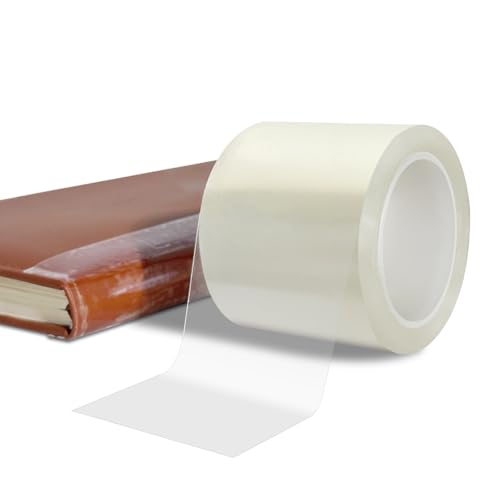
Clear and Sturdy:The book repair tape is transparent in color,so there is no need to worry about the tape's color covering the content of the book.Our bookbinding tape is made of acrylic material,acid free,sturdy and durable material,better protecting your books
Using Japanese Paper and Wheat Paste for Reversible Repairs
Delicately applying Japanese paper with wheat paste can transform damaged book pages into nearly pristine condition, offering an elegant, reversible solution that respects the original material’s integrity and beauty. This technique is ideal for mending a torn page without causing further damage, since Japanese paper, known for its thinness and strength, blends seamlessly while wheat paste acts as a gentle yet effective adhesive. First, cut the Japanese paper slightly larger than the tear, brush wheat paste onto it—avoiding the edges—and carefully position it over the damage, shielding nearby pages with waxed paper. Using a microspatula or finger to smooth it down guarantees full adhesion and allows the repair to remain transparent. This method preserves fragile, beloved pages marvelously—a smart, respectful fix every book lover should cherish! This approach draws inspiration from the meticulous craftsmanship found in medieval manuscript production, which emphasized careful preservation and artistry.
Recommended Products
![Amazing Origami Kit: Traditional Japanese Folding Papers and Projects [144 Origami Papers with Book, 17 Projects]](https://m.media-amazon.com/images/I/51uEuHVJ-PL._SL500_.jpg)


Archival material created and made in USA. Lineco is a leading and trusted brand for archival quality art, photography, and framing supplies
Techniques for Handling Moisture-Damaged Pages
Building on the artful approach of using Japanese paper and wheat paste to mend torn pages, handling moisture damage requires a somewhat different toolkit and gentle patience to restore books with warped or stuck pages. For moisture-damaged areas, gently drying with a soft cloth, avoiding direct heat, and placing the book open in a well-ventilated spot offers the best chance to save fragile pages. When pages stick, carefully slipping a piece of waxed paper between them and letting the layers dry slowly helps separate without ripping—what a relief! Wrinkled pages can be restored using a low-heat iron with a protective cloth, always lifting rather than sliding to prevent further harm. Tears caused by moisture can then be neatly repaired using Filmoplast tape or the trusted Japanese paper and wheat paste method for a lasting fix! Incorporating practical exercises like these ensures careful and effective restoration to preserve your books.
Recommended Products

EXTEND LIFE AND INCREASE CIRCULATION: This permanent adhesive tape easily conforms to book covers, spines, and pages, providing a secure hold that helps prolong the lifespan of your reading materials and keeps them in circulation longer

EXTEND LIFE AND INCREASE CIRCULATION: This permanent adhesive tape easily conforms to book covers, spines, and pages, providing a secure hold that helps prolong the lifespan of your reading materials and keeps them in circulation longer

Clear Book Repair Tape: Ultra clear, low-glare polyethylene tape helps repair, reinforce, and protect books while keeping the spine, cover, page, or printed detail easy to see.
Tips for Preserving and Protecting Repaired Pages
How can one guarantee the longevity of carefully repaired pages, especially when dealing with precious or frequently handled books? First, it’s essential to store these treasures in a climate-controlled environment to prevent humidity-related damage, which can subtly undermine delicate repairs over time. Using archival-quality protective sleeves offers an excellent shield against wear, especially for pages that see regular handling—these sleeves create a barrier that minimizes further damage while preserving the repair’s integrity. Regularly inspect repaired pages, looking for any signs of wear or stress, and address issues promptly to avoid bigger problems. Avoid direct sunlight exposure, which fades both paper and repair materials, and, believe it or not, washing hands or wearing cotton gloves when handling repaired books dramatically reduces oils and dirt buildup, protecting fragile pages exquisitely! Incorporating durable and fade-resistant materials in repair processes can also significantly enhance the preservation of your book pages.
Recommended Products

Multi-Purpose Storage for Photos & Artwork: More than just photo sleeves for 3 ring binder, these large 8 x 10 pockets are also great for organizing art prints, children’s artwork, drawings, sketches, school projects, certificates, keepsake prints, and other flat items that fit the pocket size. Ideal for photo albums, art portfolios, memory books, classroom projects,family records,and creative work organization. Please verify your photo or item dimensions before purchase to ensure compatibility.
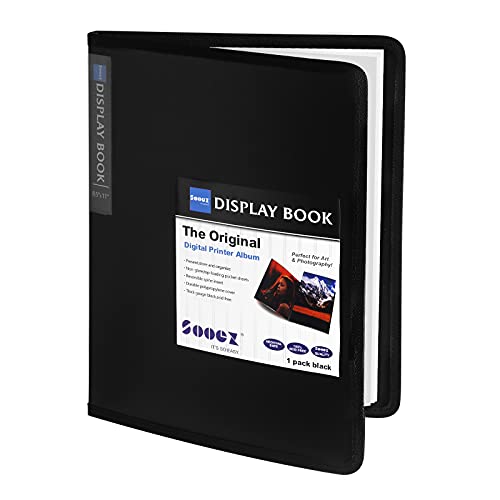
30-Pocket Portfolio Display Book: Each art binder with 30 bound clear sheet protectors, letting you show 60 pages of 8.5x11" letter size or smaller. Folder measures 11 1/2" (L) x 9 11/16" (W) x 9/16" (G).

Hold 60 photos: Perfect for storing 8''x 10'' or smaller photos. Each photo sheets holds 2 photos (1 Front & 1 Back), totally can hold up to 60 photos or cards.
Frequently Asked Questions
How to Fix Ripped Pages of a Book?
Fixing ripped pages involves precise bookbinding techniques focusing on page alignment and preservation methods. Applying archival adhesives or Japanese paper preserves integrity, ensuring seamless repairs that maintain a book’s original structure, much like a delicate restoration preserving a fragile artifact.
What Is the Best Tape to Repair Torn Book Pages?
The best tape for torn book pages is Filmoplast P, favored in bookbinding techniques for its strong, flexible adhesive properties. Preservation methods recommend this tape combined with suitable adhesive options to guarantee durable, minimally invasive repairs.
How to Restore Torn Pages?
Page restoration techniques involve using acid-free adhesives or Japanese paper with wheat paste for durability. Adhesive alternatives exploration emphasizes reversible materials. Preventative care methods include placing waxed paper beneath pages and pressing repairs flat to guarantee longevity and stability.
How to Fix Ripped Paper Without Tape?
Approximately 60% of book damage arises from torn pages, making paper mending techniques essential. DIY page repairs often favor adhesive alternatives like Japanese paper with wheat paste, offering durable, reversible fixes without tape.