As an Amazon Associate, we earn from qualifying purchases. Some links on this site are affiliate links at no extra cost to you. Our recommendations are based on thorough research and editorial judgment.

10 Best Bookbinding Books to Master Handbinding — From Beginner Guides to Advanced Techniques

You’ll love this list if you want to master handbinding, with practical staples like Thames & Hudson’s Manual of Bookbinding (paperback, 160 pages, clear diagrams) and Shereen LaPlantz’s Innovative Bookbinding (200 pages, project-focused), plus beginner-friendly primers, Japanese stab guides, case-making manuals, and conservation-level treatises that show tools and templates. I’ll point out skill levels, key techniques, and book features so you can pick wisely! Keep going and you’ll uncover step-by-step projects and buying tips smartly.
Key Takeaways
- Choose books by experienced makers (e.g., Tom & Cindy Hollander, Shereen LaPlantz) for reliable, time-tested handbinding techniques.
- Start with beginner-focused guides that include step-by-step photos, material lists, and templates for quick skill building.
- Select titles covering diverse structures—Japanese, case, Coptic, and experimental bindings—to expand practical repertoire.
- Prefer books with clear diagrams, supplier lists, and project galleries for immediate hands-on practice and inspiration.
- For advanced mastery, pick manuals emphasizing traditional hand skills, theory, and complex projects with detailed troubleshooting.
Introduction to Bookbinding and Custom Cases
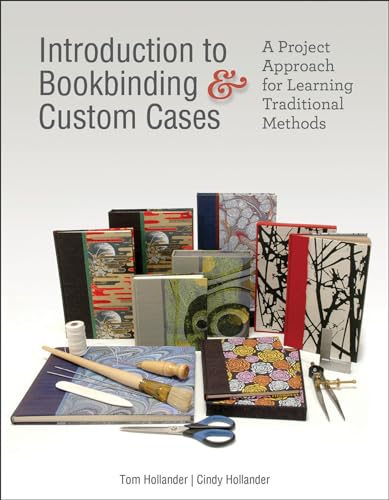

If you’re a beginner or an intermediate maker who loves hands-on projects, Bookbinding Books by Tom and Cindy Hollander is your best choice, offering clear, craft-focused instruction that lets you build skills quickly with tangible results. The 160-page trade paperback (published by Quarry Books) walks you through five projects, including pamphlet, flat-back and round-back books, plus slipcases and clamshell boxes, with step-by-step photos and patterns. They describe essential materials, tools, and formulas for custom sizes, add an extensive glossary and resources list, and showcase a gallery of handmade books for inspiration (you’ll want to try!). Buy it, start binding.
Best For: Makers (beginners to intermediate) who want hands-on, craft-focused instruction to learn traditional bookbinding and make custom books and cases.
Pros:
- Clear step-by-step projects (pamphlet, flat-back, round-back, slipcases, clamshell boxes) with photos and patterns.
- Practical coverage of essential materials, tools, and formulas for custom sizes.
- Helpful extras: extensive glossary, resource list, and a gallery for inspiration.
Cons:
- Limited number of projects (five) may leave advanced binders wanting more variety or advanced techniques.
- 160-page trade paperback format may not allow deep theoretical coverage.
- Requires investment in tools and supplies not included with the book.
Innovative Bookbinding: Secret Compartments & Hidden Messages

Wondering who should pick up Bookbinding Books’ chapter on “Innovative Bookbinding: Secret Compartments & Hidden Messages“? You should, especially if you love tactile surprises and Shereen LaPlantz’s inventive voice, because the 2013 Granary Books edition (reproducing sold‑out 1997 and 2000 work) presents photographic reproductions of the originals and special sections that explain her vision, and it includes notes about the four hand‑bound secret compartments from earlier editions. The volume (about 128 pages, clothbound with clear photographic plates) feels celebratory, dedicated to Shereen’s memory, quoting “Make fun books!” and honoring David LaPlantz’s careful recreation. You’ll use these ideas immediately, confidently.
Best For: makers, book artists, and craft lovers who enjoy tactile surprises, creative book structure techniques, and studying Shereen LaPlantz’s inventive approach to secret compartments and hidden messages.
Pros:
- Photographic reproductions of the sold-out 1997 and 2000 originals make rare, inventive designs accessible.
- Includes explanatory special sections that clearly convey LaPlantz’s vision and practical ideas you can use immediately.
- Clothbound, ~128-page edition with clear photographic plates and a commemorative dedication enhances its collectible and instructional value.
Cons:
- The 2013 edition reproduces originals photographically, so it may lack the tactile experience of the four hand-bound secret-compartment pieces from earlier editions.
- Limited page count may constrain depth on complex construction techniques for advanced binders.
- Collectors seeking original artifacts or fully hand-bound examples will still need to locate the scarce first and second editions.
Little Book of Book Making — Techniques and Ideas for Handmade Books
Sale

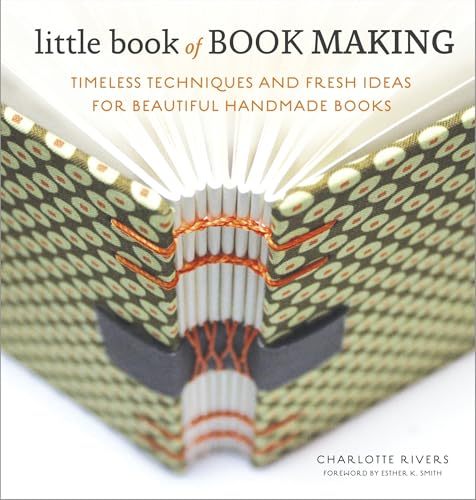
Little Book of Book Making: Timeless Techniques and Fresh Ideas for Beautiful Handmade Books
- Timeless techniques and fresh ideas for handmade books
- Explore bookmaking as a modern art form
- Learn a wide range of binding and embellishments
You’ll love Little Book of Book Making if you’re a maker who wants practical, illustrated guidance, since it profiles 30 contemporary bookmakers and packs 21 step-by-step tutorials into a compact, visually rich guide. You’ll find 160 pages of full-color photos and diagrams, softcover in a handy 6×8 inch format that fits your bag, published by Laurence King, and it walks you through Coptic, concertina, sumi-e marbling and wheat-paste experiments, with clear materials lists and templates, so you can start projects immediately and let your aesthetic evolve (yes, you’ll get pleasantly messy!), I highly, wholeheartedly recommend it for curious hands.
Best For: Makers, crafters, and aspiring bookmakers who want a compact, heavily illustrated guide with practical tutorials to learn and experiment with handbinding and creative bookmaking techniques.
Pros:
- Compact 6×8 softcover with 160 pages of full-color photos and diagrams that make techniques easy to follow.
- Includes 21 step-by-step tutorials with materials lists and templates, suitable for beginners and intermediate makers.
- Showcases 30 contemporary bookmakers and a wide range of bindings and experimental techniques for creative inspiration.
Cons:
- Limited depth per technique due to compact size; advanced makers may need additional references for complex projects.
- Softcover format may wear with frequent workshop use unless handled carefully.
- Focused on artistic and experimental approaches, so those seeking purely archival or traditional book conservation methods may find it less relevant.
Making Handmade Books: 100+ Bindings, Structures & Forms

Making Handmade Books: 100+ Bindings, Structures & Forms is the best choice for beginners and seasoned makers alike, because it packs over a hundred clear projects—rolled scrolls, Jacobs ladders, folded flexagons and sturdy case bindings—into a single, hugely practical resource that you can start using in an afternoon. Published by Lark Crafts, this 240-page hardcover includes full-color photographs of the author’s master books, clear diagrams and statements from over forty established book artists, which you’ll study and emulate. Compiled from her bestselling Creating, Unique and Expressive Handmade Books, it supplies lasting techniques and inspiration, guaranteed (yes, you’ll return again!).
Best For: Makers and crafters—beginners and experienced book artists alike—who want a comprehensive, hands-on collection of bookbinding projects and inspiration.
Pros:
- Includes 100+ clear, practical projects (rolled scrolls, flexagons, case bindings) that can be started in an afternoon.
- Full-color photos, diagrams, and statements from 40+ established book artists provide visual guidance and creative inspiration.
- Compiles the best material from three bestselling books into a single 240-page hardcover resource.
Cons:
- Primarily focused on physical bookmaking, so it’s not useful for those seeking digital book design techniques.
- Some projects may require specific tools or materials that beginners might need to acquire.
- Advanced bookbinders might find portions repetitive if already familiar with the author’s earlier books.
The Art of the Fold: How to Make Innovative Books and Paper Structures
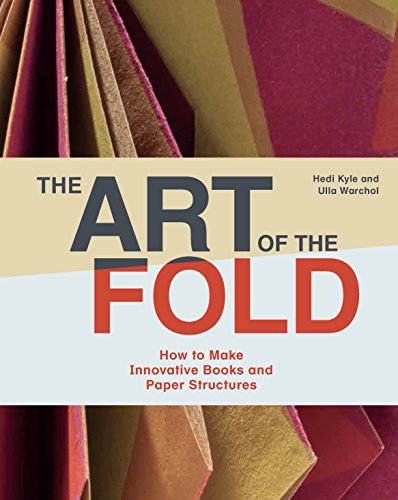
If you’re after a hands-on guide that demystifies folded structures, Hedi Kyle’s The Art of the Fold is the bookbinding pick for makers, teachers, and curious tinkerers alike, offering playful projects and clever geometry you can actually fold and use. You’ll find over 35 cut-fold designs, step-by-step illustrations, and projects like flag books, blizzard books, and fishbone folds, presented in a 176-page paperback (Princeton Architectural Press) with clear diagrams and sturdy foldouts that survive workshop use. Kyle’s warm teaching voice, decades of conservation experience, and emphasis on experimentation make this a practical, inspiring resource you’ll return to again, often!
Best For: Makers, book artists, teachers, and curious tinkerers who want a clear, hands‑on guide to folded paper structures and creative bookbinding projects.
Pros:
- Clear step‑by‑step illustrations and durable foldouts that are workshop‑ready.
- Wide variety of inventive projects (35+ cut‑fold designs like flag, blizzard, and fishbone books).
- Authoritative, encouraging teaching voice from decades of conservation and workshop experience.
Cons:
- Focuses on folded structures rather than traditional full bookbinding theory or historical depth.
- Some projects may require practice and precision—beginner folders may need extra patience.
- 176‑page paperback limits space for expanded variations or extensive photographic documentation.
Japanese Bookbinding: Instructions From A Master Craftsman
This book suits you best when you’re enthusiastic to learn time-honored Japanese binding methods from a third-generation master, because it walks you step-by-step through major styles while remaining accessible to Western readers, with clear illustrations, a tools-and-supplies list that points to both American and Japanese sources, and instructions for protective folding boxes that elevate presentation and preservation! You get a practical guide (Tuttle, 176 pages, hardcover) that teaches stab, accordion, and sewn bindings with measured diagrams, supplier lists and sensible substitutions so you can preserve calligraphy, artwork, letters, or make striking limited editions and thoughtful handmade gifts and presentation.
Best For: readers and craft hobbyists who want a clear, practical, and illustrated introduction to traditional Japanese bookbinding techniques adapted for Western audiences.
Pros:
- Step-by-step instructions with measured diagrams make stab, accordion, and sewn bindings accessible to beginners.
- Includes tools-and-supplies lists with American and Japanese suppliers plus sensible substitutions for hard-to-find items.
- Covers making protective folding boxes, enhancing preservation and presentation of handmade books.
Cons:
- At 176 pages, it may not cover every advanced or highly specialized technique in depth.
- Hands-on skill requires practice; photos/illustrations may not fully substitute for in-person instruction.
- Physical hardcover edition may be less convenient for quick reference than a larger-format manual or video tutorials.
Hand Bookbinding Manual (Dover Crafts)
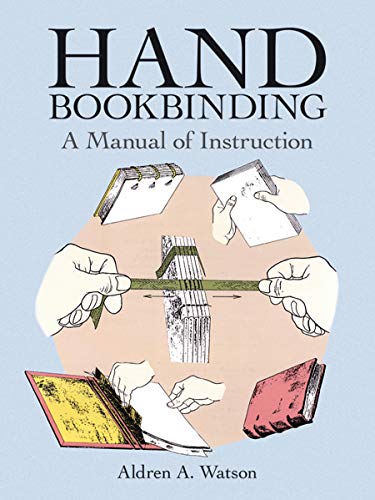
For anyone enthusiastic to learn true hand-binding techniques, Dover Crafts’ Hand Bookbinding Manual is the best choice if you want clear, practical instruction with over 270 illustrations and step-by-step projects that teach materials, tools (and even how to make some), and rebinding old books, making it ideal whether you’re a beginner, a student, or a publishing pro looking to revive traditional skills. You’ll appreciate the Dover Crafts paperback (about 160 pages), compact trim, sturdy binding, clear diagrams that walk you through eight illustrated projects including dust jackets, folios, manuscript and music bindings, plus practical rebinding techniques you can follow!
Best For: Anyone wanting clear, practical instruction in traditional hand-bookbinding techniques—from beginners to students and publishing professionals looking to revive or refine classic skills.
Pros:
- Comprehensive step-by-step projects with over 270 illustrations that make techniques easy to follow.
- Covers materials, tools (including how to make some), and rebinding old books—useful for both learning and reference.
- Compact, affordable Dover Crafts paperback that suits hobbyists and students.
Cons:
- Focuses on traditional hand-binding methods rather than modern machine-binding workflows.
- At about 160 pages, may be brief for readers seeking exhaustive technical detail.
- Paperback format and compact trim may limit large-format illustrations or extensive reference appendices.
Bookbinding Kit with Chipboard, Bone Folder, Glue, and Accessories
You’ll love this Bookbinding Kit if you’re a crafter wanting to turn paperbacks into deluxe hardcovers, because it includes chipboard, cover paper, decorative endpapers, and a 32-page instruction book. You get supplies to rebind two standard paperbacks, including chipboard, mull cloth, a bone folder, bookbinding glue, foam brush, gold transfers, and helpful accessories, all organized for easy workflow, and the instruction book is full-color with step-by-step photos (very reassuring for beginners!). You’ll appreciate clear directions on stripping covers, prepping the text block, casing in, and adding metallic transfers, plus creative embellishment ideas to make each volume uniquely yours! Enjoy!
Best For: crafters and book lovers who want to convert paperbacks into custom hardcover keepsakes with guided, beginner-friendly tools and instructions.
Pros:
- Includes all core supplies (chipboard, mull cloth, bone folder, glue, foam brush, gold transfers) to rebind two standard paperbacks.
- 32-page full-color instruction book with step-by-step photos makes the process accessible for beginners.
- Decorative endpapers and embellishment ideas let users personalize finished books.
Cons:
- Supplies are sized for two standard paperbacks—extra or larger projects will need additional materials.
- Some techniques (e.g., neat casing in or spine repair) may require practice beyond the included instructions.
- Limited quantity of consumables (glue, transfers, cover paper) if you plan multiple or large projects.
The Thames and Hudson Manual of Book Binding (Paperback)
If you’re looking for a practical, beautifully illustrated companion to take you from endpapers to edge-gilding, Arthur Johnson’s Thames & Hudson paperback (about 160 pages, illustrated throughout, pocket-friendly cloth spine) walks students and practicing binders through every essential technique with clear diagrams and pro tips, so you’ll feel confident tackling sewing, rounding and backing, and decorative finishes; it’s the kind of hands-on manual that balances craft instruction with design insight (yes, I get a little excited about tidy headbands). You’ll enjoy clear tool lists, traditional and contemporary binding styles, and illustrated historic examples that make learning practical and inspiring!
Best For: A practical, illustrated manual ideal for students and practicing bookbinders who want clear, hands-on guidance from endpapers to edge-gilding.
Pros:
- Clear, step-by-step instruction with diagrams and pro tips that build practical skills (sewing, rounding/backing, headbands).
- Covers both traditional and contemporary binding styles, plus tool and materials lists for immediate workshop use.
- Compact, well-illustrated paperback format makes it portable and accessible for classroom or studio reference.
Cons:
- At ~160 pages, may be too concise for advanced binders seeking exhaustive, in-depth reference or specialized conservation techniques.
- Paperback/pocket format limits large, detailed plates or very extensive photographic spreads.
- Emphasizes practical craft and design over deep historical scholarship or theoretical analysis.
Making Books
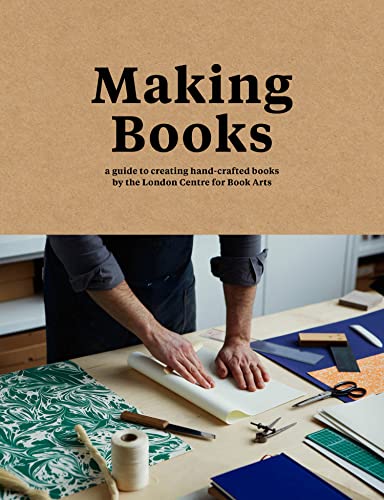
This guide, written by the founders of the London Centre for Book Arts, is best for hands-on makers who want clear, practical instruction and inspiring studio insight, especially if you enjoy trying both simple pamphlets and more elaborate multi-section bindings. You’ll get an inventory of tools and papers, cloth coverings, headbands and ribbon markers, plus six step-by-step projects (pamphlets, concertinas and multi-section bindings) yielding over twenty outcomes, published by Thames & Hudson in a concise 160-page format with strong photography and studio notes, so you can follow techniques confidently, experiment creatively, and level up fast, and build skills quickly!
Best For: Hands-on makers and beginners-to-intermediate bookbinders who want clear, practical step-by-step projects, strong photography, and studio insight to learn both simple pamphlets and more elaborate multi-section bindings.
Pros:
- Clear, practical step-by-step instructions for six project types that yield over 20 outcomes to learn quickly.
- Strong photography and studio notes that make techniques easy to follow and inspire creative variations.
- Covers essential tools, papers, cloth coverings, headbands and ribbon markers, plus some advanced/specialist techniques.
Cons:
- At 160 pages the coverage can feel concise and may not satisfy specialists seeking exhaustive technical detail.
- Requires purchase of specific tools and materials, which may be a barrier for absolute beginners on a tight budget.
- More focused on hands-on instruction than on historical/theoretical context, so not ideal for readers wanting deep scholarly background.
Factors to Consider When Choosing Bookbinding Books
You’ll want books by experienced makers, like Keith Smith (Kelmscott, 240 pages, hardcover), whose clear credentials and hands-on photos make technique trustable and inspiring! Choose titles that match your skill—beginner, intermediate, or advanced—with varied projects and step-by-step spreads (Stitching & Binding Press, 160 pages, spiral-bound) so you won’t feel lost. I recommend books that offer technique depth and precise materials lists, with cloth and thread weights noted and tools photographed (yes, even the tiny awl!), so you’ll gain confidence.
Author Expertise
Author background matters a lot when you’re picking a bookbinding guide, so look for authors with decades of hands-on experience, teaching credentials, or a history of workshops and exhibitions that show real commitment! You’ll want clear publisher info (for example, Guild of Book Workers or Overlook Press), a page count like 240–320 pages that signals depth, and a sturdy hardcover with detailed diagrams and photo plates, so you can follow techniques easily. Favor writers who teach regularly and run workshops, who publish articles or lead exhibitions, and who belong to professional organizations, because those signals mean up-to-date practice and community respect. When an author lists teaching history, awards, or consistent publication, you’ll feel confident their step-by-step methods work in real life! Truly reliable.
Skill-Level Fit
If you’re just starting out, pick a beginner-friendly guide (Guild of Book Workers or Overlook Press editions, 240–320 pages, sturdy hardcover, clear diagrams), and you’ll build skills confidently! Assess your current level honestly, because some books aim squarely at beginners while others assume intermediate or advanced experience, so choose accordingly, and you’ll avoid frustration. For beginners, favor titles that explain materials and tools in depth and include clear tutorials and illustrations, which make techniques easier to follow and repeat (trust me, it’s reassuring). If you’re beyond basics, look for books that introduce innovative techniques or specialized binding styles to push your skills further, and when possible, check author expertise and publisher quality to guarantee credible, lasting references. You’ll see steady progress with good guidance.
Project Variety
Variety matters when you pick a bookbinding guide, so look for titles that cover pamphlet books, slipcases, clamshell boxes and decorative pieces, offer step-by-step tutorials (clear diagrams and sturdy hardcover editions from Guild of Book Workers or Overlook Press, typically 240–320 pages), and include projects that span easy rolled scrolls to complex structures so you can build skills steadily. You’ll want books that mix beginner projects with advanced builds, include artistic experiments like secret compartments and unusual folds, and show practical photos and measurements so you can follow along confidently. Choose texts that encourage blending traditional and contemporary aesthetics, provide progressive challenge, and inspire you to experiment, because variety keeps practice engaging and rewarding! Look for credible authors, clear tools lists, durable supplies, too.
Technique Depth
Because technique depth determines how far you’ll go, choose books that clearly state whether they cover basics or advanced structures, and look for publishers like Guild of Book Workers or Overlook Press, sturdy hardcover editions around 240–320 pages, and plentiful step-by-step photos and diagrams to guide you. You’ll want beginner-focused titles that teach foundational stitches and simple projects with clear sequencing, so you build confidence before tackling complex bindings, and you’ll also want advanced texts that unpack inventive structures and specialty methods (Japanese techniques included) for growth. Favor books with abundant visual aids and layered explanations, they make tricky steps achievable and let you practice progressively without endless guessing, which I recommend! Pick one approachable book and one ambitious reference, then immerse yourself.
Materials List Clarity
Checklist-style materials lists make your prep painless, showing every tool and supply you’ll need (and where to find them), in 240–320 page Overlook or Guild editions. You’ll appreciate books that list items clearly, with descriptions of purpose, recommended brands, page-count callouts and durable hardcover or spiral-bound formats that sit flat while you work, which helps you follow steps hands-on. Good lists suggest substitutions (local papers, synthetic glues) for hard-to-source tools, and note material quality—grain, weight, archival ratings—so you can predict durability and aesthetics. When lists map directly to each project, with itemized quantities and cross-references to specific patterns or plates, you’ll prep faster and learn more confidently, (yes, even if you’re assembling a complex case binding!). It also flags safety gear and storage tips.
Visual Instruction Quality
Visual clarity matters—you’ll learn faster when a book from Overlook or Guild (240–320 pages, durable hardcover or spiral-bound that lies flat) pairs crisp step photos with precise diagrams! You should choose titles that combine detailed process photos with labeled diagrams, because seeing each stage reduces mistakes and builds confidence for beginners and intermediates alike. Look for books that include charts and step-by-step illustrations alongside clear captions, which help visual and verbal learners follow complex structures and tool use. Prefer editions that show binding anatomy in exploded diagrams, practical tool close-ups, and sequential photos of tricky joins, so you can replicate techniques accurately. I recommend checking physical feel and page layout before buying (yes, even in the era of ebooks), it matters for hands-on work!
Historical vs. Modern Focus
If you want to master heritage techniques or experiment with contemporary materials, start by choosing books that state their focus, publisher, and physical format so you know what you’re buying. Choose a historical manual (Thames & Hudson, 256 pages, clothbound with foldouts) if you crave rigorous tooling methods and cultural context, you’ll learn centuries-old sewing, adhesives, and decorative finishes. Opt for a modern guide (Maker Media, 176 pages, spiral-bound with color photos) when you want accessible projects, mixed-media experiments, and techniques using new boards, fabrics, and adhesives. Balance your shelf with one of each, you’ll gain foundational skills from history and creative confidence from contemporary practice. I’m excited for you—these choices shape your craft (and your first few impressive projects)! And inspiring creative outcomes.
Resource and Supply Info
Because you’ll rely on the right supplies, choose Thames & Hudson’s 256-page clothbound manuals or Maker Media’s 176-page spiral guides, which list materials, sourcing tips, photos, and glossaries! You should pick books that show both traditional and modern materials, with clear photos and side-by-side comparisons, so you’ll see differences in paper, thread, and adhesives. Look for chapters that explain sourcing tools and specialty papers, offer substitutions or DIY tool instructions (handy when a part is rare), and include a glossary plus extra learning resources to boost your skills. Favor titles that name suppliers and show real product shots, because concrete sourcing info saves time and keeps you excited about projects! Also prioritize durable covers, clear indexes, and page counts that match your learning pace.
Frequently Asked Questions
Where Can I Buy Ethical, Archival-Quality Bookbinding Materials?
Buy ethical, archival-quality bookbinding materials from specialty suppliers like Talas, John Neal Booksellers, and Blick, which stock linen tapes, acid-free boards, and archival adhesives. I also recommend Hand Bookbinding by Bill Anthony (Thames & Hudson, 192 pages), with clear photographs and durable hardcover, helping you choose materials confidently! Order directly from ethical brands or local conservation suppliers, and you’ll support responsible sourcing, conservation standards, and long-term durability and archival preservation.
How Do I Repair a Fragile Antique Leather Spine Safely?
About 60% of leather books show spine weakness within a century, so you should stabilize a fragile antique spine immediately by humidifying gently, consolidating leather with Klucel G, and split-lining with thin Japanese tissue and wheat-starch paste. I recommend Deborah Schneiderman’s The Craft of Bookbinding (Thames & Hudson, 224 pages, cloth-bound), which diagrams split-lining steps clearly, and you’ll feel confident following her photos and measured techniques! Start slow, wear gloves.
What Specialized Tools Are Essential Beyond Beginner Kits?
You’ll want an awl, adjustable book press (heavy cast-iron), French-edged bone folder, microspatulas, and bookbinder’s needles, all precise for fragile spines and minimal movement.
I recommend Ashgate’s The Craft of the Book (200 pages, clothbound, spine diagrams), Library of Congress guides (120 pages, stapled), they’re invaluable, practical resources!
Grab Otto and Bank’s 256-page manual from Thames & Hudson (hardcover, lots of illustrations), you’ll feel equipped and excited (I am, truly honestly)!
Can Bookbinding Be Turned Into a Profitable Small Business?
Like a well-bound spine, you can turn bookbinding into a profitable business, if you focus on quality, niche services, and clear pricing locally! I recommend reference books like Keith Smith’s Non-Adhesive Binding (Amherst Media, 280 pages) and Jane Greenfield’s Bookbinding (The Crowood Press, 192 pages, spiral). They explain technique, materials, and presentation, boosting credibility and customer trust (I’m mildly smug about decorative endsheets!), so start small, scale smart with workshops.
Are There Online Communities or Courses for Advanced Bookbinders?
Yes, you’ll find active online communities and advanced courses: Rare Book School offers intensive workshops, North Bennet School runs certificates, and the Society of Bookbinders hosts webinars and critiques! Books like The Complete Guide to Bookbinding (Thames & Hudson, 256 pages, cloth-bound) and Bookbinding: A Step-by-Step Guide (Kyle Books, 192 pages, spiral-bound) often accompany coursework, and you’ll join Slack groups, forums, and Zoom studios for real-time feedback and peer critiques.