As an Amazon Associate, we earn from qualifying purchases. Some links on this site are affiliate links at no extra cost to you. Our recommendations are based on thorough research and editorial judgment.

Understanding Book Yellowing: Causes and Prevention

Book yellowing mainly results from lignin in paper fibers reacting with light and oxygen, creating those stubborn yellow hues that frustrate readers everywhere! Papers with less lignin, like archival-quality ones, resist discoloration better, especially when stored in cool, dry, low-light places and airtight containers. Preserving books also involves controlling humidity and avoiding acidic treatments, which can speed damage. Curious about how manufacturing and environment shape this aging? There’s much more fascinating insight just ahead!
Key Takeaways
- Yellowing in books is mainly caused by lignin oxidation when exposed to light and oxygen.
- High lignin content papers, like newspapers, yellow faster than low-lignin archival-quality papers.
- Acidic paper and high humidity accelerate yellowing and physical deterioration.
- Storing books in cool, dark, and low-humidity environments slows yellowing significantly.
- Using airtight containers with inert gases prevents oxidation and extends paper lifespan.
Causes of Yellowing in Paper
Although yellowing in paper might seem like an inevitable sign of age, understanding its causes reveals a fascinating chemical dance primarily driven by lignin—a natural component in wood fibers that, when exposed to light and oxygen, develops chromophores responsible for those unmistakable yellow hues. Papers with high lignin content, like newspapers made from mechanical pulp, experience rapid yellowing and degradation, which contrasts starkly with the resilience of archival paper designed with low lignin to delay this process. Acidic treatments can further speed yellowing, making preservation methods critical! Storing books in cool, dark, and low-humidity environments, alongside using acid-free, archival-quality paper, markedly slows degradation while keeping treasured volumes vibrant. Enthusiasts will appreciate how such efforts guarantee their collections last, proving that with the right care, yellowing can be gracefully minimized! Incorporating mindfulness practices in handling and storing books can enhance long-term preservation and appreciation.
Recommended Products

Easy to Fold and Store: This range of acid-free paper for storing is crafted from premium quality material with meticulous attention to detail. It is effortless to shape, fold, and cut, whilst remaining lightweight and dependable. The texture is comfortable, and it is both portable and suitable for compact storage

Lineco is a leading manufacturer of archival storage materials for preservation of photos, documents, and artwork. Trusted by museums and archives, ideal for your family records

Package Content: You will receive 25 sheets of acid-free tissue papers, and each sheet of paper measures 20x30inch / 50.8x76.2cm. The quantity is enough to meet your daily use need.
Role of Lignin in Paper Discoloration
Lignin’s role in paper discoloration, especially the kind that turns pristine pages into warm sepia-toned memories, is both fascinating and a bit sneaky. When lignin is exposed to light and oxygen, it undergoes an oxidation process that alters its structure, creating color carriers called chromophores responsible for the yellow and brown hues classic to aging paper. Papers with higher lignin content, like those made from mechanical pulp often found in newspapers, tend to turn yellow faster, which is why archival-quality books usually aim to remove as much lignin as possible during production. This clever reduction helps maintain brightness and delays unwanted discoloration, making preserving treasured books and documents a bit easier — a small victory against time’s subtle hand! High-quality prints, such as those found in aerial photography books, benefit from reduced lignin to maintain vivid imagery over time.
Impact of Environmental Factors on Aging
Because environmental conditions play a key role in hastening the aging process, understanding factors like light exposure, humidity, and oxygen is essential for anyone passionate about preserving books or treasured documents. When paper is exposed to light, especially sunlight, oxidation speeds up, causing yellowing and degradation that can’t be easily reversed. Humidity adds another layer of trouble, as moisture absorption not only encourages yellowing but can also attract pests eager to feast on neglected pages. Oxygen in the air fuels these chemical reactions, so storing books in airtight containers with inert gases can dramatically slow degradation. Creating a dry, controlled environment—ideally away from direct light—gives paper the best fighting chance against time’s inevitable march. In the realm of decor, durable materials such as resin and leather are chosen not only for their aesthetic appeal but also for their ability to withstand environmental challenges over time. Who knew such care could so powerfully protect history’s silent witnesses?
Recommended Products

Brand Background: Lineco is a leading and trusted brand for archival quality art, photography, and framing supplies
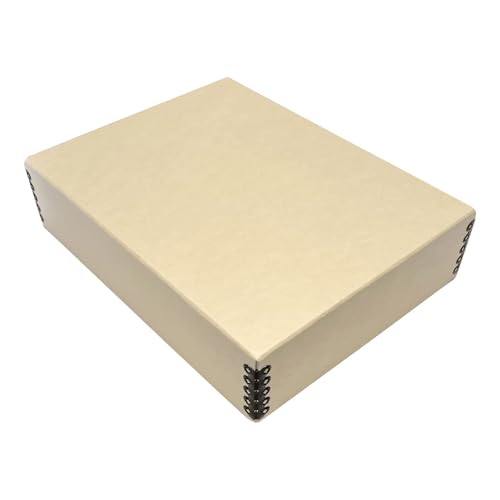
Brand Background: Lineco is a leading and trusted brand for archival quality art, photography, and framing supplies
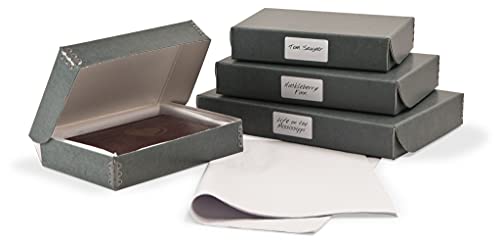
SIZED RIGHT: Specifically sized to safely store books, journals or diaries
Paper Manufacturing and Lignin Content
Understanding why some paper yellows faster than others inevitably leads to the manufacturing process and its hidden hero (or sometimes villain)—lignin. This natural polymer, deeply embedded in wood’s structure, lends strength and rigidity, yet ironically causes paper to yellow through oxidation when exposed to light and air. Since paper is made largely from cellulose, the presence of lignin becomes an essential factor influencing degradation. High-lignin content, common in low-grade mechanical pulp papers like newspapers, accelerates yellowing due to the formation of chromophores. In contrast, manufacturers often reduce lignin via bleaching, crafting whiter, longer-lasting pages—the very opposite of the brittle, acidic papers from pre-1980s editions, which degrade rapidly. This chemistry explains why some old books invite admiration, while others feel like fragile relics begging for gentle handling! Understanding the role of step-by-step plans in preserving delicate materials can be as crucial as understanding their chemical makeup.
Recommended Products

Simple to Shape and Fold: these sheets of acid free tissue paper for clothing storage adopt quality paper as material, go through exquisite workmanship, easy for you to shape, fold and cut, lightweight and reliable, comfortable to touch, hard to tear or fade, convenient for your flower making projects and more, giving you a nice using experience

Abundant Quantity: 100 sheets 15" x 20" white tissue paper, ensuring you have an ample supply for your daily storage needs. Large size, the generous quantity great for making DIY crafts, flower tissue Pom Pom's, gift bags, packaging use, tassel garland and more.
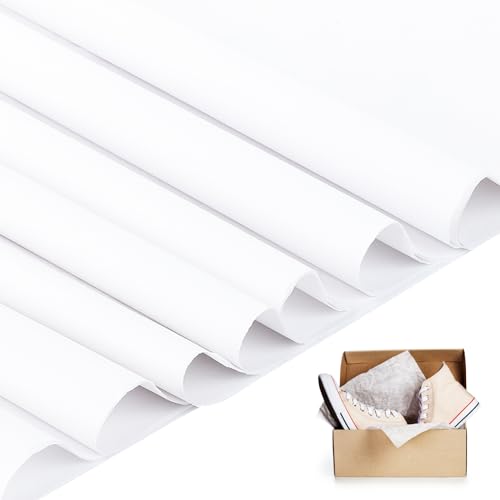
Easy to Fold and Store: This range of acid-free paper for storing is crafted from premium quality material with meticulous attention to detail. It is effortless to shape, fold, and cut, whilst remaining lightweight and dependable. The texture is comfortable, and it is both portable and suitable for compact storage
Techniques for Preserving Books and Documents
Many effective methods exist for preserving books and documents, each playing an essential role in extending their lifespan while maintaining their original charm and readability. Choosing archival quality paper with low lignin content is a fundamental step, as lignin causes yellowing through chemical breakdown. To further combat yellowing and oxidation, storing books in airtight containers filled with inert gases creates a protective barrier against harmful oxygen. Controlling humidity levels is equally crucial—too much moisture speeds deterioration, while a dry, stable environment slows it drastically. Additionally, keeping books away from sunlight and in low-light conditions prevents UV-induced yellowing. Regular dusting and gentle handling enhance preservation by minimizing physical wear, proving that care and environment together weave an effective defense against the inevitable march of time on treasured pages! Maintaining structured documentation of preservation efforts helps monitor conditions and improve long-term results.
Recommended Products

Lineco is a leading manufacturer of archival storage boxes for the filing and preservation of photos, paper documents, and artwork. Trusted by museums and archives, ideal for your family treasures
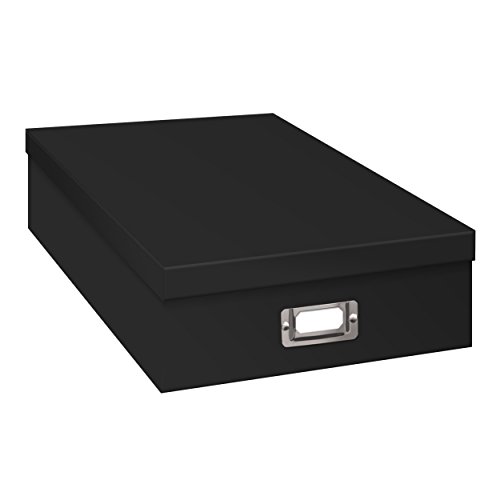
Scrapbook storage box for scrapbooks, papers and supplies

Lineco is a leading manufacturer of archival storage for conservation of photos, documents, and artwork. Trusted by museums and archives, ideal for your family memorabilia
Challenges in Long-Term Paper Preservation
Preserving books in airtight containers and controlling light and humidity offer wonderful defenses against wear, but the ongoing battle with long-term paper preservation presents a separate set of challenges that archivists and librarians face daily! The natural aging of paper, accelerated by factors like moisture and oxygen, leads to unavoidable degradation and stubborn yellowing, especially when lignin—common in lower-grade paper—breaks down chemically. Archivists know that maintaining strict humidity control is crucial, as too much moisture invites mold and hastens deterioration. Even with archival-quality boxes and careful storage, combating the fragile balance between environmental threats and the paper’s own chemistry remains tough. Yet, understanding these hurdles brings exciting opportunities for innovation in preservation, making the care of treasured books more rewarding than ever! Mindfulness practices and practical daily exercises have proven effective in helping professionals manage stress related to preservation challenges.
Recommended Products

Brand Background: Lineco is a leading and trusted brand for archival quality art, photography, and framing supplies

Metal edge corners construction for stacking strength and adding durability
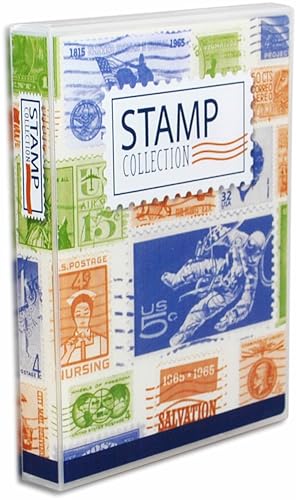
ARCHIVAL-SAFE PROTECTION: Includes 10 crystal-clear, heavy-duty pages that are 100% archival-safe and acid-free. Protects your valuable postage stamps from dust, moisture, and fingerprints, keeping them in mint condition.
Frequently Asked Questions
How to Prevent Book Pages From Yellowing?
Page preservation techniques include maintaining proper storage conditions with controlled humidity, minimizing light exposure, and using acid-free materials. Following these book care tips greatly reduces the risk of yellowing and prolongs the lifespan of pages.
What Does It Mean When Book Pages Turn Yellow?
When book pages turn yellow, it indicates the aging process influenced by causes of yellowing such as paper composition, sunlight exposure, effects of humidity, and poor storage conditions, which accelerate chemical reactions degrading the paper’s structure.
Is It Safe to Read Books With Foxing?
Reading books with foxing is generally safe under proper reading conditions. However, mold concerns may affect sensitive individuals, potentially impacting collectible value. Foxing effects relate to paper quality, making careful book preservation essential to minimize further damage.
Are Yellowed Books Safe?
Yellowed books resemble ancient trees bearing scars of time; despite yellowing effects and paper aging, their reading safety remains intact if careful book preservation and archival methods address environmental factors, ensuring longevity through mindful stewardship.