As an Amazon Associate, we earn from qualifying purchases. Some links on this site are affiliate links at no extra cost to you. Our recommendations are based on thorough research and editorial judgment.

The History of Banned Books and Censorship

The history of banned books is a fascinating journey, starting from early America’s Puritan bans like Pynchon’s 1652 *The Meritorious Price of Our Redemption*, through Civil War censorship of *Uncle Tom’s Cabin*, to the 1873 Comstock Act’s crackdown on “obscene” literature affecting authors like Whitman. Today’s school battles echo these past struggles, with recent bans targeting race and sexuality themes in thousands of libraries nationwide. Exploring this rich history reveals how freedom, fear, and culture collide in every chapter!
Key Takeaways
- Early American book bans were driven by religious authorities suppressing dissenting literature, shaping initial censorship practices.
- Anti-slavery books like *Uncle Tom’s Cabin* faced severe censorship, reflecting ideological conflicts during slavery and the Civil War.
- The 1873 Comstock Act criminalized “obscene” materials, significantly restricting literature on sexuality and reproductive rights.
- Landmark legal cases, such as Island Trees School District v. Pico, affirmed students’ First Amendment rights against book banning in schools.
- Recent censorship targets books on race, sexuality, and trauma, sparking advocacy efforts to defend intellectual freedom in schools and libraries.
Religion and Book Bans in Early America
Several influential early book bans in America vividly reveal how deeply religious authorities shaped censorship practices, with landmark examples like William Pynchon’s *The Meritorious Price of Our Redemption*—a 1650 theological treatise reportedly denounced and publicly burned by Puritans passionate about controlling dissenting ideas. Religion played a central role in enforcing censorship, as the Puritans vigorously suppressed literature challenging their beliefs, including Thomas Morton’s *New English Canaan*, which led to his exile. This community-led censorship established strict limits on acceptable content in early America, reflecting a society struggling to balance freedom of expression against religious orthodoxy. Even the anti-slavery movement encountered religiously motivated bans, underscoring how book bans intertwined with prevailing societal norms. These acts set powerful precedents, shaping ongoing debates about literature, religion, and censorship in the American colonial era. For readers seeking a detailed regional perspective on early American history, the History of the Socorro Land Grant offers rich archival insights that contextualize these social dynamics.
Recommended Products
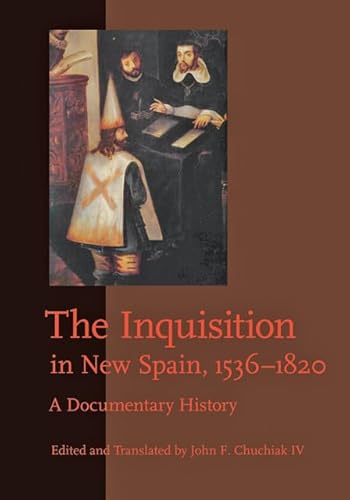


Censorship During the Era of Slavery and the Civil War
The 19th century saw a fierce battleground of ideas, especially through the controversial censorship of anti-slavery works like Harriet Beecher Stowe’s *Uncle Tom’s Cabin*—a powerful 1852 novel published by John P. This immensely influential literature, facing harsh censorship, was often met with book burning and public burnings in Southern states determined to suppress abolitionist writings. Remarkably, Sam Green, a free Black minister, endured a ten-year prison sentence for merely owning *Uncle Tom’s Cabin*, reflecting the severe risks tied to possessing such banned literature. Throughout the Civil War, censorship targeted both pro- and anti-Southern materials, as freedom of expression clashed fiercely with entrenched ideologies. This era’s literature vividly illustrates how deeply book banning and censorship intertwined with the nation’s brutal moral disputes over slavery, shaping the prolonged struggle for justice. The use of literature to shape public debate during this period parallels how modern works educate on critical issues like climate change science.
Recommended Products


The Fight Against Immorality and the Comstock Act
Although rooted in Victorian-era concerns about public decency, the Comstock Act of 1873 released a wave of literary censorship that reshaped American culture for decades, criminalizing anything deemed “obscene”—a vague label that threw authors like Walt Whitman and Ernest Hemingway under the moral bus (talk about a plot twist!). Spearheaded by Anthony Comstock, this law targeted banned books and educational materials addressing sexuality and reproductive rights, provoking fierce debates on morality versus free expression. Literary works and pamphlets—even those offering birth control information—were suppressed, forcing advocates like Margaret Sanger to operate underground. This intense censorship reflected deep anxieties about obscenity, yet it also provoked resistance that gradually expanded free expression. The Comstock Act’s legacy remains an essential chapter in understanding how definitions of decency influenced what readers could access and what voices were silenced in American literature. Contemporary discussions on censorship often emphasize the importance of empathy and emotional regulation in navigating these conflicts.
Recommended Products

BOOKS + ART COVERS: Each set comes with paper-printed Juniper Books covers wrapped onto the 9 Bridgerton hardcover books by Julia Quinn, published by Avon Books. All the novels based on the eight siblings are included, plus Violet's novella and the accompanying collection of epilogues.


Schools, Libraries, and the Battle for Intellectual Freedom
Censorship battles that began with controlling what adults could read have now landed squarely within schools and libraries, where young minds are enthusiastic to explore diverse ideas and stories. Since 2021, the American Library Association documented 1,586 book bans across 86 school districts, affecting over two million students, highlighting alarming patterns of censorship targeting books addressing race, sexuality, and trauma. These school and library book bans challenge intellectual freedom and restrict access to information that fosters empathy and understanding. While the First Amendment protects students’ rights, communities often prioritize local values over diverse literature, leading to rising censorship—a 65% increase in challenges reported in 2023. This ongoing battle reminds everyone of the essential role libraries and schools play in defending intellectual freedom and ensuring students encounter a broad spectrum of voices and stories. Access to mental health literature is increasingly vital for adolescent well-being, yet such materials often face heightened scrutiny in these censorship disputes.
Recommended Products

ALWAYS READY TO PLAY - Open the video book cover and your memories come to life – instantly. Perfect for wedding videos and slideshows, event videos, encouragement videos, congratulations, sympathy or thank you wishes videos.

Legal Milestones Defining Students’ Rights to Read
Landmark court decisions have profoundly shaped students’ rights to read freely within educational settings, laying a foundation that balances constitutional freedoms with school policies. The 1982 Supreme Court ruling in Island Trees School District v. Pico stands out, affirming that banning books simply for disagreeing with their ideas violates students’ First Amendment rights and underscores the freedom to read. Earlier, Tinker v. Des Moines (1969) set important precedents by protecting student speech against censorship. Meanwhile, the American Library Association has highlighted ongoing book challenges, noting a sharp rise in book banning that threatens these legal milestones. Cases like Miller v. California help define censorship boundaries, but legal battles continue to shape and sometimes strain students’ rights, reinforcing the critical role these milestones play in protecting access to diverse ideas in school libraries! Resources featuring visual storytelling of controversial issues can serve as powerful tools in educating about censorship.
Modern Trends in Book Banning and Censorship
As controversies surrounding educational content evolve, recent data from the American Library Association reveals a staggering escalation in book bans—1,586 instances across 86 school districts in 26 states just between mid-2021 and early 2022—impacting the literary access of over two million students, with Texas alone accounting for nearly half this number at 713 bans. These modern trends concentrate on censorship targeting banned books that explore the LGBTQ community and issues of race, reflecting societal tensions in public libraries and school districts nationwide. The American Library Association notes a 65% rise in challenges, often infringing on students’ First Amendment rights and intellectual freedom. Censorship now includes subtler tactics, such as relegating books to inaccessible spaces or labeling them intimidatingly, limiting student access and sparking ongoing debates on appropriate educational content. Understanding the importance of diverse literature is crucial for fostering educational environments that promote inclusivity and critical thinking.
Recommended Products


Rear View Mirror: Volkswagen original equipment rear view mirror

The Broader Implications of Literary Censorship Today
While debates over literary censorship have long swirled, recent spikes in challenges—such as the American Library Association’s 2023 report citing 4,240 unique titles at risk, many featuring people of color or LGBTQ+ themes—bring fresh urgency to conversations about access and representation in schools and libraries. Contemporary censorship, evident in widespread book bans across numerous school libraries, directly threatens students’ First Amendment and broader constitutional rights. Advocates rally, emphasizing intellectual freedom as essential for diverse literary representation and critical thinking development. The surge in book bans ignites passionate advocacy—student protests, lawsuits, and vocal campaigns—aimed at preserving open access to these vital narratives. This dynamic underscores how censorship today transcends mere content disputes, deeply impacting educational fairness, inclusivity, and the protection of fundamental constitutional rights within academic communities. For those interested in tracing cultural narratives and their censorship, resources like The Encyclopedia of Country Music provide comprehensive historical context and insights into how storytelling evolves amid societal challenges.
Frequently Asked Questions
Which Ancient Cultures Practiced Book Banning Before Recorded History?
Ancient censorship practices existed among Mesopotamian scrolls, Egyptian hieroglyphics, Greek philosophers, and Roman literature. These cultures targeted religious texts, using cultural suppression and political propaganda to enforce societal norms, reflected in historical records.
How Did Technology Influence the Spread of Censored Literature Historically?
Technology has been a double-edged sword in spreading censored literature. From the printing press enabling underground publications to the digital age and social media overcoming access barriers, archival preservation, and international variations influenced literary movements despite censorship laws and book burning.
What Role Did Women Play in Resisting Book Censorship Historically?
Women played an essential role in resisting book censorship through feminist movements and literary activism. Influential figures led historical protests challenging censorship laws, advocating educational reform, impacting the publishing industry, promoting women’s rights, and shaping literary criticism and cultural impact.
Are Banned Books Typically Censored Worldwide or Regionally?
Banned books face both global censorship and regional differences shaped by cultural attitudes and government policies. Historical examples highlight varied public reactions, impacting educational systems. Modern implications emphasize literary freedom, with advocacy efforts challenging restrictions worldwide.
How Do Authors Respond to Having Their Books Banned?
When J.K. Rowling faced bans, she used public statements and social media to express dissent. Author reactions often include literary activism, community engagement through book clubs, protest movements, reflections, and leveraging literary prizes within historical context.