As an Amazon Associate, we earn from qualifying purchases. Some links on this site are affiliate links at no extra cost to you. Our recommendations are based on thorough research and editorial judgment.

The Art of Marginalia: A History of Notes in Books

Marginalia—the enthralling practice of writing notes in book margins—unfolds a rich history, revealing personal reflections and intellectual dialogues spanning centuries, with annotations from icons like Mandela and Shakespeare adding cultural depth. Publishers like Princeton University Press offer insightful volumes, often featuring facsimiles of famous scribbles that invite tactile engagement and fresh perspectives. This art balances preservation debates with the joy of deepened understanding, while digital tools expand communal exchange. Exploring further uncovers fascinating techniques and evolving formats that keep marginalia alive!
Key Takeaways
- Marginalia reveals intimate intellectual conversations and emotional connections across centuries, showcasing readers’ deep engagement with texts.
- Historic annotations from literary icons highlight evolving thoughts and cultural influences within classic editions.
- Preservation projects like Book Traces capture marginalia’s cultural value, emphasizing its role during significant historical events.
- Debates around writing in books weigh personal note-taking benefits against preservation of pristine volumes.
- Digital marginalia extends traditional annotation practices, fostering communal literary interactions and evolving reader engagement.
The Cultural Legacy of Marginalia
Though often overlooked, marginalia—the handwritten notes gracing the edges of books—serve as rich cultural artifacts that invite readers into intimate conversations stretching across centuries, as seen in the thoughtful annotations of literary giants like Shakespeare, Edgar Allan Poe, and Nelson Mandela. The practice of writing in books, far from mere scribbles, reflects deep intellectual engagement and emotional connection, offering unique glimpses into the personal reflections of past readers. Projects like Book Traces showcase the cultural value of preserving these annotations, emphasizing their role in authenticating texts and revealing hidden dialogues between authors and readers. Furthermore, marginalia’s evolution into digital forms now broadens communal interaction, proving that this tradition of personal insight remains alive and thrilling for contemporary literary enthusiasts. Similar to how interactive and multimedia elements in piano lesson books cater to diverse learning styles, marginalia enhances the reader’s engagement by creating a dynamic and personal interaction with the text, fostering sustained interest and deeper understanding through structured lessons.
Marginalia Among Literary Giants
Ink-stained margins in classic editions reveal more than just writerly doodles; they open windows into the minds of literary giants like Shakespeare, Edgar Allan Poe, and Herman Melville, whose detailed annotations—often tucked between densely printed lines—offer fascinating glimpses into their creative dialogues and personal influences. Marginalia in their books serve as rare, intimate conversations with text, where writing notes expose evolving thoughts and connections that shaped their works. For instance, Nelson Mandela’s annotations in Shakespeare during imprisonment highlight the profound impact literature can carry. Graham Greene’s intense marginalia across genres reveal a mind ceaselessly engaging, while Samuel Taylor Coleridge’s socially encouraged notes remind us marginalia once fostered rich literary exchange. Discovering these writing notes in beloved classics is truly thrilling for any book lover! These annotations reflect the kind of writing habits that contemporary thesis writing resources encourage to boost creativity and maintain motivation throughout the writing process.
Personal Reflection and Growth Through Annotations
Exploring personal annotations in well-loved books—like the beautifully bound, 400-page Harper Perennial editions with their creamy, inviting pages—opens a window into the evolving minds and emotional landscapes of readers over time, making these marginal notes far more than mere scribbles. Writing in the margins invites an intimate dialogue, as readers make marginalia that capture fleeting thoughts and personal reflections, turning a passive reading into an active conversation. These annotations become chronological markers of growth, revealing changing perspectives and emotional shifts that deepen understanding. The act of engaging so physically with the text not only enhances comprehension but also invites nostalgia when rediscovering earlier notes, encouraging readers to reflect on their evolving selves—a practice that transforms reading into a rich journey of self-discovery and personal growth. In fact, engaging with texts that integrate scientific research with real-world data can further deepen one’s understanding and critical thinking through annotation.
The Debate Over Writing in Books
Countless passionate readers and educators have fiercely debated the merits and drawbacks of writing in books, especially when it comes to pristine volumes such as the elegantly bound Harper Perennial editions—often around 400 pages of creamy, inviting paper that almost seem to beg for interaction! Traditionally, writing in books was deemed a “sin” in schools, as students risking penalties for marks in rented texts encouraged fear of highlighting or annotations. However, many collectors challenge this view, insisting marginalia helps readers engage deeply, as personal notes transform passive reading into an expressive dialogue. While some worry about preserving immaculate editions, the act to write notes fosters a richer connection to texts, offering insights that enrich both immediate enjoyment and future readers’ experience—truly a lively debate in the world of cherished books! Exploring communication skill development through written interaction similarly enhances personal connection and understanding.
Recommended Products


Organize in Style: This aesthetic 5 subject notebook includes 5 removable plastic dividers with writable tabs and 10 adhesive labels. Customize sections for different projects, classes, or goals—making it a cute and practical journal for women who love to stay organized at work or school.

Large 8.5 x 11 notebook ideal for professionals & students. This big executive journal features a premium hardcover spiral design for superior daily writing, note-taking, and essentials organization.
Techniques for Effective Marginalia
Delving into the art of marginalia, readers can transform even a hefty 400-page Harper Perennial edition—its creamy, inviting paper practically daring for interaction—into a vibrant dialogue by skillfully outlining main arguments with punchy keywords while jotting down personal reactions. Effective techniques include writing concise notes that clarify complex ideas, such as defining unfamiliar terms in the margins, which enriches comprehension. Additionally, connecting passages to relevant lectures or other readings deepens context, making annotated books treasure troves of layered understanding. Highlighting memorable or humorous lines adds a playful touch, encouraging return visits. These carefully crafted notes not only enliven the reading experience but also boost retention; studies show that handwriting enhances memory. Embracing these strategies transforms passive reading into an active, personalized engagement—truly an exciting way to converse with the text! Incorporating active listening techniques from communication skill guides can further improve how readers interact with and internalize the material during annotation.
The Role of Marginalia in Active Reading
Although some might overlook the worn margins of a 350-page Vintage Classics paperback, these narrow spaces become lively arenas for active reading, where notes, questions, and colorful connections transform passive page-turning into a dynamic conversation. Marginalia invites readers to annotate freely, capturing immediate reactions and linking new ideas with prior knowledge, which makes the experience far more engaging and memorable. Studies show that readers who actively engage by annotating often score up to 10% higher on tests—a reflection of the power of scribbling thoughts by hand! This tactile interaction encourages summarizing key points and fosters intentional, thoughtful reading habits. Ultimately, marginalia is more than just scribbles; it’s an essential tool for deeper understanding and long-term cognitive growth, turning each book into a personalized dialogue between mind and text. Just as selecting the right neck profile enhances guitar playability, choosing effective reading strategies like marginalia can significantly improve comprehension and retention.
Digital Marginalia: Opportunities and Challenges
Stepping beyond the dog-eared pages and handwritten notes in a well-loved 350-page Penguin Classics paperback, one finds that marginalia has taken on an entirely new life in digital form, sparking fresh opportunities and unique challenges for readers everywhere. In the digital age, platforms like Kindle empower readers to make notes that appear instantly connected, allowing lively, real-time discussions extending beyond physical margins—something traditional annotations can’t match. The New Yorker recently highlighted how digital marginalia encourages communities to form around shared interests, though sometimes conversations can become overwhelming or stray from the text itself. Furthermore, multimedia annotations—including images and hyperlinks—enrich the experience, blending poetics with technology. However, engagement hinges on intuitive interfaces that make notes accessible without distraction, ensuring readers stay immersed while exploring these innovative layers. This evolution mirrors the importance of daily habits in personal development, where consistent engagement fosters deeper growth and connection.
Preserving Historical and Personal Annotations
Printed pages scrawled with personal notes, underlines, and dates—even a simple 350-page vintage Harper Perennial paperback—offer a fascinating window into the past, where readers’ marginalia reveal intimate connections with the text, capturing emotions and thoughts frozen in time. Preserving these annotations is essential, as projects like Book Traces work tirelessly to document and digitize marginalia, ensuring readers’ unique experiences aren’t lost. The extensive notes of Nelson Mandela in Shakespeare’s works, for example, highlight how annotations deepen meaning and reflect personal journeys amid historic moments. Today’s digital tools also help preserve marginalia by enabling sharing and storage, bridging past and present. Collectively, these efforts underscore why preserving marginalia—and its rich annotations—matters so much for history, literature, and personal memory preservation! Such preservation also supports exploring character-driven narratives, which are crucial for understanding how readers emotionally engage with historical texts.
Marginalia as a Window Into the Reader’s Mind
How often do readers pause to leave traces of their inner dialogue along the edges of printed pages, transforming books—like a well-worn 400-page Vintage Classics edition of Virginia Woolf’s To the Lighthouse—into intimate archives of thought and feeling? Marginalia and annotations act as vivid windows into readers’ minds, revealing how they wrestle with ideas, mark emotional turning points, or capture fleeting insights. These notes serve not just as personal diaries but as dynamic conversations bridging the text and the reader’s evolving intellect. Historical figures like Nelson Mandela famously expressed their struggles through such markings, showcasing annotations as powerful tools of reflection and engagement. Essentially, marginalia elevates the reading experience, turning a static book into a living record of mental exploration and heartfelt connection! This interactive engagement with text mirrors the benefits seen in hands-on exercises that facilitate deeper understanding and personal growth.
The Future of Marginalia in Ebooks and Digital Formats
Although digital books lack the tactile charm of a dog-eared 400-page Vintage Classics edition of Virginia Woolf’s *To the Lighthouse*—with its coffee-stained margins and personal scribbles—they reveal vibrant new possibilities for marginalia that physical tomes simply cannot match. Ebooks empower readers to write extensive notes, highlight passages instantly, and engage in the process of reading by accessing others’ annotations, fostering lively, collaborative conversations beyond the constraints of paper. Yet, this digital abundance sometimes overwhelms, causing some to retreat rather than dive deeper into dialogue. As publishers and platforms continue evolving, the future of marginalia promises innovative features that blend interaction with insight, transforming how readers connect with texts and each other—a thrilling frontier for anyone who loves to write in the margins, even if those margins are now infinite and pixelated! This evolution aligns well with guided audio versions, which also aim to enhance reader engagement through accessible, interactive formats.
Recommended Products
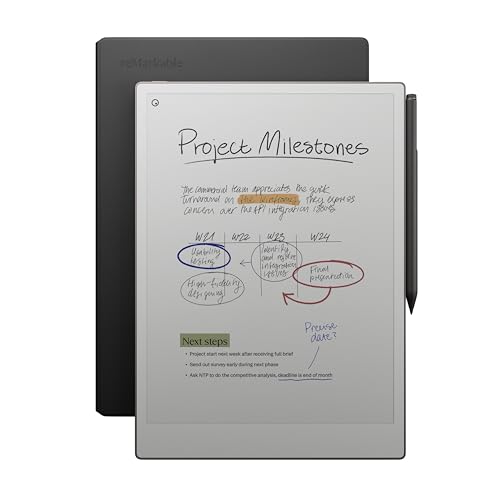
THE ULTIMATE PAPER TABLET – For the first time on a reMarkable paper tablet, you can write, sketch, and read in color. Ultra-slim and portable, but with a full-size 11.8” color display, adjustable reading light, and an unmatched paper-like writing experience.

Great value - Includes a Kindle Scribe (64GB) with Premium Pen, leather folio, and 9W power adapter–up to a $570 value.

THE ONLY TABLET THAT FEELS LIKE PAPER – With a paper feel never before experienced on a digital device, reMarkable 2 redefines note-taking, reading, and reviewing documents. At just 4.7 mm thick, you can take it anywhere.
Frequently Asked Questions
Does Marginalia Exist in Digital Books?
Approximately 70% of e-book readers engage with digital annotations, demonstrating marginalia’s presence in online reading. These annotations enhance e-book engagement by fostering interaction, sharing insights, and enabling fluid, editable commentary beyond traditional marginalia constraints.
How Does Marginalia Relate to Note-Taking?
Marginalia relates to note-taking by fostering personal reflection and enhancing reading comprehension, allowing readers to actively engage with texts. It also serves as a means of creative expression, supporting deeper intellectual interaction and retention of information.
How Does Marginalia Affect Book Value?
Marginalia enhances book value by adding personal commentary that reveals reader engagement, increasing historical significance. Such annotated works often gain prestige in the collectible market, attracting higher prices due to their unique insights and provenance.
What Is the Best Art History Book of All Time?
The best art history book often cited is E.H. Gombrich’s “The Story of Art,” renowned for its clear analysis of famous art movements, insights from influential art critics, and respect for iconic artists’ annotations, shaping art understanding profoundly.