As an Amazon Associate, we earn from qualifying purchases. Some links on this site are affiliate links at no extra cost to you. Our recommendations are based on thorough research and editorial judgment.


10 Best Ecology Books to Deepen Your Understanding of the Natural World

If you want a vivid plunge into nature, try *Natural History* by DK—over 5,000 species richly photographed—or Robin Wall Kimmerer’s *Braiding Sweetgrass* (400 pages, Milkweed Editions), blending indigenous wisdom with science. For plant lovers, *The Light Eaters* decodes plant intelligence, while *The Hidden Life of Trees* reveals forest social networks. Need a concise intro? Oxford’s *Ecology: A Very Short Introduction* fits nicely. Stick around, and you’ll discover even more epic ecology gems to spark your curiosity!
Key Takeaways
- Select foundational texts like *The Basics of Ecology* for a solid understanding of ecological principles and current environmental challenges.
- Explore specialized topics such as plant intelligence in *The Light Eaters* or tree ecosystems in *The Tree Book* for focused ecological insights.
- Consider narrative works like *Braiding Sweetgrass* and *The Hidden Life of Trees* for a blend of scientific knowledge and holistic ecological perspectives.
- Use comprehensive encyclopedias like *Natural History (DK Definitive Visual Encyclopedias)* for broad coverage of species, minerals, and ecological phenomena.
- For practical application and research skills, refer to textbooks like *Ecology* by Bowman and Hacker or *How to Do Ecology* for hands-on guidance.
The Light Eaters: Understanding Plant Intelligence and Life on Earth

If you’re fascinated by the idea that plants might be smarter than we’ve ever imagined, then The Light Eaters: How the Unseen World of Plant Intelligence Offers a New Understanding of Life on Earth is a must-have for your bookshelf—this New York Times bestseller, praised by voices like Robin Wall Kimmerer and Elizabeth Kolbert, dives deep into how plants communicate, remember, and adapt in ways that challenge everything we thought about intelligence in nature. You’ll find it published by Scribner, a crisp 320-page hardcover that feels substantial yet inviting to explore. It reveals plants’ social behaviors, sound responses, and adaptive strategies, making it a thrilling, eye-opening read!
Best For: anyone intrigued by plant biology, ecology, and the expanding concept of intelligence beyond animals, especially readers who enjoy science writing that challenges traditional views of nature.
Pros:
- Offers cutting-edge scientific insights into plant communication, memory, and social behavior.
- Written by acclaimed authors and praised by leading figures, ensuring engaging and credible content.
- Challenges and expands the reader’s understanding of life on Earth, fostering a deeper ecological awareness.
Cons:
- May be too technical or detailed for casual readers seeking light or fictional nature narratives.
- Some scientific debates and evolving research could be complex or ambiguous for those unfamiliar with botanical science.
- Focuses narrowly on plant intelligence, potentially limiting interest for readers wanting a broader ecosystem perspective.
The Tree Book: The Stories, Science, and History of Trees


For anyone fascinated by the towering giants of nature, *The Tree Book: The Stories, Science, and History of Trees* offers an exceptional, richly illustrated guide that you’ll want to hold onto for hours—published by Timber Press, it spans 288 pages full of vivid images and detailed insights that bring tree science, history, and cultural significance to life. You’ll explore how trees shape ecosystems, supply oxygen, and support wildlife, while also uncovering their fascinating anatomy and growth patterns. From ancient oaks to majestic redwoods, this book brilliantly captures the beauty and importance of trees in our world—seriously, you won’t want to put it down!
Best For: Nature enthusiasts, botanists, educators, and anyone interested in the science, history, and cultural significance of trees.
Pros:
- Richly illustrated with vivid images that enhance understanding and engagement.
- Comprehensive coverage of tree science, ecology, history, and cultural symbolism.
- Includes detailed information on diverse tree species and their habitats.
Cons:
- At 288 pages, it may be too lengthy for casual readers seeking a brief overview.
- The depth of scientific content might be challenging for readers without a background in biology.
- Being a printed book, it lacks interactive features that digital guides might offer.
Habitats: Discover Earth’s Precious Wild Places

Anyone curious about the remarkable variety of Earth’s wild places will find *Habitats: Discover Earth’s Precious Wild Places* an engaging companion, packed with vibrant photographs and thoughtful explanations that celebrate everything from deserts to the remote rainforests of New Zealand. This 224-page gem, published by National Geographic, dives deep into how plant and animal communities balance each habitat’s unique challenges. You’ll explore intricate ecosystem interactions, like pollination and survival strategies, all brought vividly to life through stunning visuals. Plus, it highlights urgent conservation efforts protecting these priceless environments—making it a must-have for anyone enthusiastic to understand and preserve our natural world!
Best For: nature enthusiasts, students, and conservation advocates seeking an insightful and visually rich exploration of Earth’s diverse habitats and ecological relationships.
Pros:
- Richly illustrated with vivid photographs and graphics that enhance understanding of complex ecosystems.
- Covers a wide range of habitats globally, including both well-known and remote environments.
- Includes detailed explanations of ecological interactions and urgent conservation efforts to protect natural habitats.
Cons:
- May be too detailed or technical for very young readers or casual readers seeking a light overview.
- Primarily focuses on natural habitats, with less emphasis on urban or human-impacted ecosystems.
- The book’s large format and full-color printing could make it less portable or more expensive.
Natural History (DK Definitive Visual Encyclopedias)

You’ll find the Natural History (DK Definitive Visual Encyclopedias) an unbeatable companion if you love diving deep into Earth’s fascinating wildlife and natural mysteries, with its vibrant, full-color spreads showcasing over 5,000 species and more than 500 minerals, rocks, and fossils. Spanning six thoughtfully organized chapters—including Living Earth and Microscopic Life—it packs thousands of stunning photographs and accessible text, updated with recent discoveries like the olinguito. Whether you’re a family, gardener, or museum enthusiast, this visually rich, easy-to-navigate guide offers a treasure trove of knowledge that both enlightens and entertains, making learning about nature a truly immersive experience!
Best For: Nature enthusiasts, families, and anyone interested in learning about Earth’s wildlife, plants, minerals, and natural history through a visually engaging and comprehensive guide.
Pros:
- Covers over 5,000 species and 500 minerals, rocks, and fossils with vivid, full-color photography.
- Updated with recent discoveries and organized into six accessible chapters for easy navigation.
- Suitable for all ages, making it an educational resource and an attractive coffee table book.
Cons:
- May be overwhelming for casual readers due to the extensive amount of information.
- Lacks interactive or digital features that younger audiences might prefer.
- Physical book size and weight could be cumbersome for some users to carry around.
The Basics of Ecology (Core Concepts)
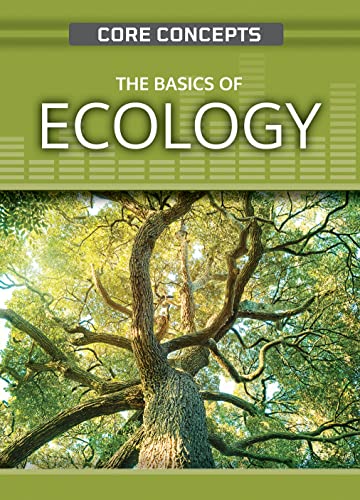
Immerse yourself in “The Basics of Ecology (Core Concepts)” if you’re keen to understand how fascinating and urgent ecological studies can be—this volume, published by Green Leaf Press and spanning 250 pages, captivates readers with its vivid photos of wildlife and habitats that practically leap off every glossy page. You’ll discover why studying ecology matters more than ever, especially with pollution and environmental challenges escalating worldwide. The book offers engaging sidebars and bios of key ecological figures, enhancing your learning. Plus, it details active conservation efforts, making this a fantastic resource if you want to dive deep into protecting our natural world!
Best For: Readers and students interested in environmental issues, wildlife conservation, and gaining a comprehensive understanding of ecology through engaging visuals and informative content.
Pros:
- Features vivid, bright images that enhance reader engagement and understanding.
- Includes informative sidebars and biographies of important ecological figures.
- Covers current conservation efforts, making it a timely and relevant resource.
Cons:
- At 250 pages, it may be too detailed or lengthy for casual readers seeking a quick overview.
- Focused primarily on foundational concepts, which might not satisfy advanced ecological studies.
- Limited to the content and perspectives presented by Green Leaf Press, potentially lacking diverse global viewpoints.
Ecology

If you’re diving into the world of ecology for your undergraduate studies, the textbook “Ecology” by Bowman and Hacker stands out because it combines clear organization with a case study-driven approach, making complex ideas easier to grasp; plus, the fifth edition offers a dynamic Enhanced eBook that brings concepts to life with interactive features, all without breaking the bank—so whether you’re an instructor planning lessons or a student enthusiastic to understand how ecosystems function, this book is a smart, engaging companion! With data-driven examples that connect theory to real-world applications, it’s published by McGraw-Hill and stretches over 600 pages, balancing depth and accessibility.
Best For: Undergraduate students and instructors seeking a well-organized, engaging, and accessible textbook on ecology with practical examples and interactive learning features.
Pros:
- Case study-driven approach makes complex concepts more understandable and engaging.
- Includes data-driven examples that effectively connect theory to real-world ecological applications.
- The fifth edition offers a dynamic, interactive Enhanced eBook at an affordable price.
Cons:
- The textbook is over 600 pages, which may be overwhelming for some students.
- Primarily designed for undergraduates; may lack depth for graduate-level studies.
- As a new edition, some educators might prefer sticking with familiar older editions for consistency.
Ecology: A Very Short Introduction
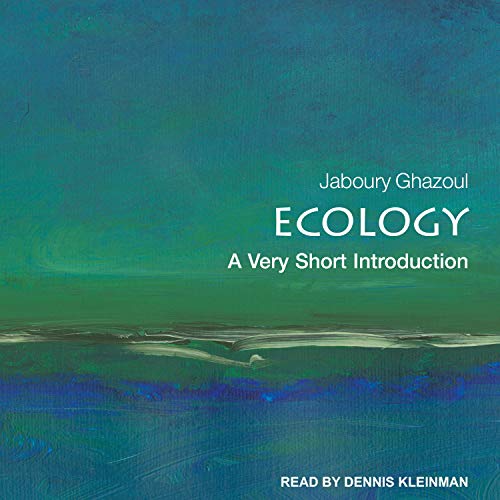
For anyone curious about how living things connect with their surroundings, *Ecology: A Very Short Introduction* offers a fantastic starting point, packing essential insights into a compact book of about 150 pages published by Oxford University Press. You’ll discover how ecology studies the interactions that form communities and ecosystems, shaping everything from food and water to mental health and cultural identity. This book traces ecology’s journey from nature study to a predictive science that guides conservation and environmental policies—super helpful if you want to understand real-world challenges like climate change and biodiversity loss. It’s a quick, rich read that truly deepens your understanding!
Best For: Anyone seeking a concise and accessible introduction to how ecological interactions shape the environment and influence global challenges like climate change and conservation.
Pros:
- Provides a clear and compact overview of ecology in about 150 pages, making it easy to grasp foundational concepts quickly.
- Explains the evolution of ecology from natural history to a predictive science, grounding the subject in real-world application.
- Highlights the importance of ecology in addressing pressing issues such as biodiversity loss, sustainability, and environmental policy.
Cons:
- Due to its brevity, it may not cover advanced ecological theories or detailed case studies extensively.
- May be too introductory for readers with a strong background or expertise in ecology seeking in-depth analysis.
- Focuses broadly on ecological concepts, so those looking for specific regional or species-focused information might need additional resources.
Braiding Sweetgrass by Robin Wall Kimmerer
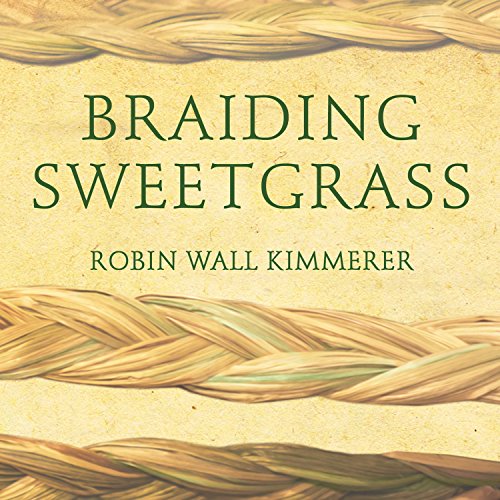
Whether you’re passionate about ecology or curious about indigenous worldviews, *Braiding Sweetgrass* by Robin Wall Kimmerer offers an invigorating blend of science and ancestral wisdom that’ll genuinely deepen your understanding of the natural world. This 400-page hardcover, published by Milkweed Editions, weaves Kimmerer’s Potawatomi heritage—rich with stories from elders—with her expertise as a botanist, revealing plants and animals as essential teachers. You’ll appreciate how she calls you to listen closely and reciprocate nature’s gifts, sparking a fresh ecological consciousness through gratitude and care. It’s a thoughtful, inspiring read you won’t want to miss!
Best For: Readers interested in ecology, indigenous worldviews, and the integration of science with ancestral wisdom seeking a deeper connection to nature.
Pros:
- Combines scientific knowledge with indigenous perspectives for a holistic ecological understanding.
- Rich storytelling that includes Potawatomi heritage and teachings from elders.
- Encourages gratitude and reciprocal care for the natural world, fostering ecological consciousness.
Cons:
- Some readers may find the integration of scientific and indigenous narratives complex or unfamiliar.
- The book’s length and dense content might be challenging for casual readers.
- Those looking for a purely scientific or purely indigenous account may find the blend less focused.
The Hidden Life of Trees: What They Feel, How They Communicate
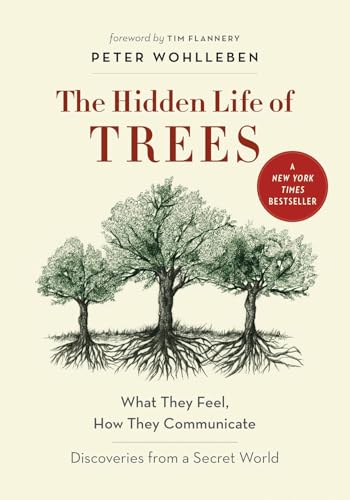
Discovering “The Hidden Life of Trees: What They Feel, How They Communicate” by Peter Wohlleben is a fantastic choice for anyone curious about the secret world beneath forest canopies—this acclaimed bestseller, honored by the SEJ Rachel Carson Environment Book Award and available through publishers like the David Suzuki Institute, invites you to explore how trees nurture, warn, and support one another in ways that’ll surprise and delight you! Wohlleben reveals trees’ social networks and their ability to share nutrients, protect sick neighbors, and send chemical warnings, blending heartfelt observations with groundbreaking science. You’ll never see forests the same way again after reading this fascinating, thoughtful book!
Best For: nature enthusiasts, readers interested in ecological science, and anyone curious about the interconnectedness of life within forest ecosystems.
Pros:
- Provides groundbreaking scientific insights into how trees communicate and support each other.
- Written with a personal and heartfelt style that blends science with a deep appreciation for nature.
- Recognized and honored by multiple prestigious awards, adding credibility and appeal.
Cons:
- Some readers may find the anthropomorphizing of trees overly sentimental.
- Scientific explanations might be simplified, which could leave experts wanting more depth.
- Focused mainly on forest ecosystems, potentially less engaging for those interested in other plant environments.
How to Do Ecology: A Concise Handbook – Third Edition
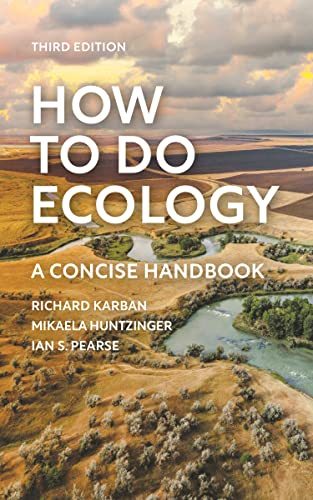
If you’re an ecologist at any stage of your career—and I mean from curious student to seasoned researcher—*How to Do Ecology: A Concise Handbook, Third Edition* (published by Princeton University Press, spanning a handy 320 pages) will quickly become your go-to companion, packed with practical wisdom on designing studies, using stats effectively, and charting the sometimes-confusing path of ecological research. This edition dives deeper into observational data, study design, and stats, while also guiding you through publishing, communicating, and crafting proposals. Plus, you get actionable tips on building skills, tackling fieldwork, and developing creative research questions—everything you need to thrive!
Best For: Ecologists at any career stage seeking a practical, comprehensive guide to research design, statistical analysis, and communication in ecology.
Pros:
- Covers the full research process, including study design, data collection, and interpretation with an expanded focus on observational data.
- Provides valuable tips for skill development, career navigation, and effective scientific communication.
- Includes practical tools like workshops for creative questioning and strategies for organizing field seasons and reading efficiently.
Cons:
- At 320 pages, the handbook may be dense for readers seeking a very brief overview.
- Primarily focused on ecological research, so less applicable for those outside this scientific field.
- Emphasizes academic publishing and career skills, which might be less relevant for purely hobbyist ecologists.
Factors to Consider When Choosing Ecology Books

When you’re picking out ecology books, make sure the content matches your interests and the author clearly knows their stuff—like Dr. Lisa Venier’s detailed yet accessible text from Cambridge University Press, which clocks in at 350 pages. Scientific accuracy is a must, but don’t overlook helpful visual aids; colorful charts and clear diagrams (often on glossy pages) can turn complex ideas into “aha!” moments. Also, think about your reading level—whether you want something approachable or more technical—as this can make or break your learning experience!
Content Relevance
Choosing an ecology book that truly speaks to your curiosity can feel like traversing a vast forest, but focusing on content relevance helps clear the path! You’ll want to pick books that explore specific topics—whether it’s plant intelligence or social behavior among species—to match your unique ecological interests. Aim for works blending current scientific research (think recent studies and evolving methods) with cultural insights, offering you a well-rounded view of how ecology shapes society. Look for those featuring conservation discussions too, since they illuminate real-world applications and stakes. And don’t underestimate the power of visual storytelling—beautiful illustrations or diagrams (like those in a 300-page hardcover published by a top environmental press) make complex interactions much easier to grasp, keeping you engaged and informed throughout your reading adventure!
Author Expertise
Since author expertise directly shapes the trustworthiness and richness of ecology books, you’ll want to look for writers who hold advanced degrees and bring years of hands-on research to the table, often reflected in those hefty 400-page hardcovers published by respected presses like Island or University of California Press. Authors deeply involved in current ecological research offer fresh, insightful perspectives that keep you connected with evolving ideas and techniques. Many of these experts skillfully weave scientific findings with cultural or indigenous knowledge, adding fascinating layers to the ecological story. Plus, authors recognized by their peers through awards signal quality you can trust. When you find a book filled with engaging personal observations from fieldwork, it not only informs but also draws you in—making the complex world of ecology feel accessible and alive!
Scientific Accuracy
Although you might be tempted to grab any beautifully illustrated ecology book off the shelf, paying close attention to scientific accuracy guarantees you’re diving into a solid, trustworthy resource, often found in those 300- to 500-page volumes published by renowned presses like Island or University of California Press. You want books grounded in peer-reviewed research, filled with current ecological studies that reflect the latest discoveries—after all, ecology evolves constantly! Check that the author is a recognized expert who knows the field inside out. Don’t overlook citations and bibliographies; they’re your ticket to verifying facts and exploring further. Finally, ascertain the scientific terms are clear and precise, so you’re never left guessing what the author means. Trust me, these details make all the difference in truly understanding the natural world!
Visual Aids
A well-crafted ecology book often captivates you not just with words but with vivid visual aids—photographs, diagrams, charts—carefully chosen to boost your understanding of complex ecological ideas, especially when published by respected presses like Island or University of California Press in their 300- to 500-page editions, where every image feels purposeful and engaging. These books use vibrant pictures of habitats, flora, and fauna to pull you in emotionally, making abstract concepts stick better. Infographics neatly summarize data and show ecosystem relationships, helping you untangle intricate webs of life. Detailed visuals also let you identify species and grasp their conservation roles, turning you into a more informed nature lover. Trust me, visual storytelling like this clarifies tough science and warmly welcomes beginners and curious readers alike!
Accessibility Level
What makes an ecology book truly accessible to you? It’s all about the language style and how comfortably you can follow along without tripping over jargon or overly technical terms—so pick books that match your background, whether you’re a newbie or a seasoned reader. I love when books (say, from publishers like National Geographic) include clear visuals—diagrams, stunning photos, or easy-to-read charts—that bring ideas to life and help you absorb complex topics faster. Also, a well-organized layout with headings and summaries keeps everything neat and digestible, especially in longer works approaching 300 pages. Bonus points if the book tosses in vibrant sidebars or stories about pioneering ecologists, which add layers of fascinating context. With these features, you’ll find diving into ecology both rewarding and enjoyable!
Practical Applications
When you’re choosing ecology books that actually get your hands dirty (figuratively and literally), you want ones that don’t just talk theory but walk you through practical steps—think solid research methods, easy-to-follow field techniques, and stats tricks that make sense, like some great guides from Princeton University Press that balance depth with clarity across their 250-300 page volumes. These books often include case studies to connect theory with real-world environmental challenges and show how to turn scientific findings into conservation action. Illustrated guides also boost your learning by making complex species interactions and ecosystems easier to grasp visually, helping you develop vital skills for data collection and interpretation. Picking books with these practical applications guarantees you’re not just reading ecology—you’re ready to live it!
Latest Research
Since ecology keeps evolving at a breakneck pace, you’ll want books that not only cover foundational concepts but also explore the latest breakthroughs—think recent discoveries of new species, cutting-edge genetic tools, and innovative remote sensing techniques packed into clear, well-organized volumes around 300 pages, often published by top presses like Princeton or Oxford. These books delve into how ecologists combine genetics, climate science, and even social sciences to tackle environmental challenges, making complex ideas accessible and exciting. You’ll find detailed discussions on predictive modeling that help forecast ecosystem changes, essential for conservation efforts today. Choosing recent publications guarantees you stay on top of fast-moving research, so grab those well-crafted tomes with updated references and engaging case studies—you’ll truly deepen your understanding of this dynamic, life-changing field!
Frequently Asked Questions
How Can Ecology Books Help in Environmental Activism?
Ecology books help you grasp the complex interactions between species and habitats, giving your activism solid scientific backing—you’ll feel more confident challenging misinformation! For example, “Ecology: Concepts and Applications” (Sinauer Associates, 600 pages, sturdy hardcover) breaks down ecosystems with vivid examples and clear diagrams, making it easier to explain problems and solutions during campaigns. Armed with this knowledge, you become a more effective advocate, inspiring change and respect for our fragile planet!
Are There Ecology Books Suitable for Children or Beginners?
Absolutely, you’ll find ecology books perfect for kids or beginners! Imagine handing a curious child “The Hidden Life of Trees” (Farrar, Straus & Giroux, 288 pages)—it reads like a fascinating detective story about forests, with vivid illustrations and easy language. Or try “A Seed Grows” by Antoinette Portis, a slim yet charming picture book that turns ecological concepts into engaging visuals. These straightforward, beautifully made books spark wonder and understanding without overwhelming!
What Are the Best Ecology Books for Academic Research?
For academic research, you’ll want to delve into “Ecology” by Michael Begon, published by Wiley, featuring over 800 pages of in-depth, well-illustrated explanations and case studies that stay engaging without losing rigor. Another gem is “The Ecology of Invasions by Animals and Plants” from Cambridge University Press, which thoroughly explores species interactions—perfect if you’re studying environmental impacts. Both are hefty, well-referenced volumes you’ll return to often—trust me, they’re worth the investment!
Do These Books Cover Marine or Aquatic Ecosystems?
Yes, many of these books delve into marine and aquatic ecosystems with enthusiasm! For example, “Marine Ecology” by Bertness, published by Sinauer, offers 400 richly illustrated pages that make underwater worlds vivid and accessible. You’ll find detailed studies on coral reefs, estuaries, and coastal habitats, perfect for understanding life beneath the waves. It’s a solid choice if you want both depth and clear explanations in one sturdy, well-organized volume!
Can Ecology Books Recommend Practical Conservation Techniques?
Absolutely, ecology books often recommend practical conservation techniques, giving you actionable steps to help the environment. For example, “Silent Spring” by Rachel Carson (Houghton Mifflin, 368 pages, hardcover) not only explains ecological damage but inspires change with specific ideas on reducing pesticide use. These books blend science and hands-on advice, making complex concepts accessible—perfect if you’re enthusiastic to learn and act, turning knowledge into real-world conservation efforts!