As an Amazon Associate, we earn from qualifying purchases. Some links on this site are affiliate links at no extra cost to you. Our recommendations are based on thorough research and editorial judgment.

Pseudonyms in Literature: Why Authors Use Pen Names

Authors use pseudonyms to protect their privacy, dodge gender bias (think J.K. Rowling’s Robert Galbraith alias), and craft distinct literary brands that signal genre and tone, helping readers set expectations. These pen names often come with creative backstories and marketing savvy, enhancing connection and loyalty. From historical traditions like Persian takhallus to tricky legal copyright issues, pseudonyms offer a fascinating mix of protection and persona—but there’s much more to their intriguing role in literature ahead!
Key Takeaways
- Authors use pseudonyms to protect privacy and separate personal identity from creative work, especially in sensitive genres like erotica or horror.
- Female writers adopt male or gender-neutral pen names to overcome gender biases and gain credibility in male-dominated literary markets.
- Pen names serve as marketing tools, helping authors create distinct brand personas tailored to specific genres and reader expectations.
- Cultural traditions influence pen naming, with authors adopting pseudonyms for artistic identity, protection from censorship, or to reflect regional heritage.
- Legal concerns require clear contracts and trademark registration to secure copyright and ownership rights related to pseudonymous works.
Definition and Purpose of Pseudonyms
A pseudonym—sometimes called a pen name or nom de plume—is a fascinating literary tool authors cleverly adopt to publish their work under an alternate identity, rather than revealing their true names. Writers often choose a pseudonym to conceal their true identity, whether to maintain privacy or explore different genres without preconceived expectations. Female authors, in particular, have historically adopted male pen names to navigate a male-dominated literary world, circumventing biases that limited acceptance under their real name. Beyond such strategic reasons, a pseudonym also helps create distinct brand identities, simplifying marketing efforts and preventing readers from confusing diverse writing styles. This clever practice offers authors a fresh start, liberating them from the limits of their reputations and opening exciting new possibilities in their literary journeys! In addition, using a pseudonym can allow authors to contribute to diverse perspectives and anthologies that explore complex social themes.
Recommended Products

Used Book in Good Condition

Secure and Convenient Design: Features an elastic band to keep your personalized journal securely closed and an attached pen holder, ensuring you always have a pen handy.

Pitt Artist Pens with brush tip can produce a line of 1 to 5mm. They offer odorless, permanent and waterproof inks in vibrant colors that will not bleed through paper. The pigmented India inks are lightfast, acid-free and pH Neutral. The pens are used daily by artists worldwide for illustrations, fashion design, life drawings, portraits, sequential art and canvas paintings. They work beautifully on all types of papers and canvas, permanent on porous surfaces. Also available individually or in as
Historical Origins of Pen Names
Although pen names seem like a modern invention, their roots stretch far back into classical literature, where many writers—especially women—concealed their identities to overcome widespread gender biases, exemplified by Mary Ann Evans, who famously wrote as George Eliot. The historical usage of male pseudonyms offered a clever way to navigate societal constraints, enabling authors to gain legitimacy in a male-dominated literary world. Literary movements like Romanticism further boosted pseudonym adoption as creative spirits sought new freedoms in expression. Notably, the term “pen name” itself emerged in the 1860s, while anonymity protected writers critiquing rigid political systems. This fascinating blend of necessity and creativity continues to make pen names both a shield and a tool within literature’s rich history! This parallels how artists use progressive lessons in anatomy drawing books to build skills step-by-step over time.
Protecting Author Privacy and Anonymity
When authors choose to write under pseudonyms, they often do so to protect their personal lives from the intense glare of public attention—a decision especially essential in genres like horror or erotica, where societal judgment can be unforgiving. Using a pseudonym helps authors maintain anonymity, allowing them to separate their true identity from their creative work while shielding family and friends from unwanted scrutiny. This protective layer becomes indispensable as technology makes personal information easier to access. In some cases, anonymity safeguards authors facing backlash or threats, granting them a safe space to express themselves. Therefore, a pseudonym is far more than a name; it’s a significant tool authors rely on to protect privacy and preserve their creative freedom! Many authors also find that protective anonymity can help support their mental health resilience by reducing external pressures and stress.
Recommended Products



Navigating Gender Bias in Publishing
Protecting privacy with pseudonyms often reveals another complex layer: gender bias in publishing, which has long shaped writers’ choices and readers’ perceptions. Many female authors historically adopted male pen names, like Mary Ann Evans using George Eliot, to sidestep harsh gender bias and gain credibility. This gender disparity persists; research shows books by gender-neutral authors typically receive more favorable reactions, while women often face limited visibility and marketing support. Authors like J.K. Rowling choosing the male pseudonym Robert Galbraith illustrate ongoing struggles to separate identity from bias. These patterns reveal how a pseudonym is more than a mask—it’s a strategic shield against entrenched prejudices, allowing authors to navigate an industry where perceived gender still heavily influences success and recognition. It’s fascinating to see how identity intertwines with literary legacy! Effective communication strategies, including visual storytelling techniques, can empower authors to better convey their messages despite such biases.
Marketing Strategies Using Pen Names
Many authors embrace the power of multiple pen names to carve out distinct spaces within the literary world, cleverly tailoring each pseudonym to attract particular readers or showcase a new genre. Interestingly, the pseudonym George often appears in marketing strategies designed to appeal broadly while authors use pen names to conceal their true identity and reset audience expectations. Employing distinct pseudonyms separates works clearly, enhancing discoverability amid crowded shelves—much like Jennifer Sommersby and Eliza Gordon, whose unique branding clarifies genre and style. Some writers go further, crafting fictional backstories to deepen engagement, as Lemony Snicket brilliantly exemplifies. This clever approach reinvigorates careers and creates flexible platforms to explore varied themes without risking previous reputations—a strategic, savvy move in today’s competitive literary marketplace! Additionally, authors may use pen names to cater to different learning preferences by offering their works in diverse formats, increasing accessibility and audience reach.
Recommended Products
![V-Kits Raspberry Pi 3 Model B+ (B Plus) Retro Arcade Gaming Kit with 2 Classic USB Gamepads [2018 Model]](https://m.media-amazon.com/images/I/51FbNcsLmpL._SL500_.jpg)
Raspberry Pi 3 Model B+ (Plus) (RPi 3+) Released in March 2018--Broadcom BCM2837B0,Cortex-A53, 64-bit SoC @ 1.4 GHz Features Upgraded On-board WiFi and Bluetooth Connectivity
Used Book in Good Condition

Custom Pens Personalized: Personalized your pen with your logo or message through silk printing option, ensuring your brand stands out with every use
Pseudonyms and Genre Exploration
Beyond marketing brilliance, pseudonyms offer authors an exciting gateway to explore diverse genres, granting them the freedom to experiment without the weight of prior expectations tied to their real names. When writers use a pseudonym, they can venture into different genres—say, shifting from literary fiction to thrilling mysteries—without confusing or alienating their established readers. Pen names serve as strategic tools allowing authors to separate their real identity from new creative paths, ensuring audiences know what tone or content to expect. This freedom not only attracts fresh readers who favor specific genres but also prevents typecasting, encouraging broader artistic expression. Publishers often support this by promoting these distinct pen names separately, helping readers navigate the literary landscape with clear signals about genre and style—exciting for anyone keen to discover something new! Integrating evidence-based tips into this strategy can further enhance an author’s connection with their new audience.
Famous Authors and Their Pen Names
While pseudonyms can be crafted purely for anonymity or marketing flair, some of the most fascinating literary pen names have become iconic, representing entire worlds of imagination and groundbreaking social statements. Mary Ann Evans adopted the pen name George Eliot to navigate the male-dominated literary world, ensuring her novels received serious respect. Similarly, Stephen King embraced the pseudonym Richard Bachman to publish fresh stories without overwhelming his audience, showcasing his versatility! Other authors like the Brontë sisters used pseudonyms to escape gender bias, while Charles Dodgson transformed into Lewis Carroll to enjoy creative freedom. These pen names are more than mere masks—they’re crafted identities that invite readers into distinct voices and eras, proving pseudonyms aren’t just cover names but gateways to remarkable literary adventures! Analogous to how art enthusiasts engage with both surface aesthetics and deeper narratives, readers appreciate the layered identity that pseudonyms add to authorial presence, much like the balance between accessibility and depth in art history books encourages enriched understanding.
Cultural Practices of Pen Naming Around the World
Cultural traditions around the world have shaped unique and fascinating approaches to pen naming, infusing authorial identities with rich historical and artistic meaning. In Persian and Urdu poetry, the Takhallus serves as a pen name that conveys the poet’s artistic identity, blending deeply with cultural heritage. Likewise, Japanese artists employ gō—art-names that evolve with their careers—like Hokusai, who adopted multiple names reflecting his changing styles. Wuxia authors create pseudonyms that resonate with traditional themes, strengthening their author’s name within that genre. Indian writers often adapt birth names or pseudonyms to evoke regional culture, enhancing audience connection. Meanwhile, pseudonyms also provide dissident authors, such as Ibn Warraq, protection while addressing sensitive topics—a reminder that pen names carry personal and political weight worldwide! Effective use of empathy and validation in communication often parallels how authors choose pen names to connect authentically with their audience.
Legal and Copyright Considerations
Although pseudonyms add a layer of mystery and flair to an author’s public persona, they also introduce significant legal and copyright questions that warrant careful attention—especially when registering works or signing contracts. Authors must guarantee their legal name is on file to secure proper copyright protection, since the law recognizes the real creator, not just the pen name. Ownership complexities arise if pseudonyms aren’t clearly communicated to publishers or copyright offices, so formal notification helps prevent disputes. Contracts often specify rights linked to pseudonyms, covering royalties and usage, which is essential for clarity. Additionally, authors keen to build a lasting brand should consider trademark registration for their pen name—this proactive move offers extra legal safeguards against unauthorized exploitation, making the pseudonym a true asset! To better manage these aspects, incorporating practical systems and worksheets can help authors navigate legal and financial responsibilities efficiently.
Creating and Managing a Pen Name Persona
Because a pen name is often more than just a signature—it’s a crafted identity woven through book covers, social media profiles, and promotional campaigns—authors should thoughtfully choose a distinctive name that not only sparks curiosity but also avoids overlaps with public figures or trademarks, ensuring their brand stands out clearly in the crowded literary landscape; this careful consistency across all channels builds recognition and loyalty, making the pen name a powerful asset that readers enthusiastically connect with! Authors must diligently use their pen name across all marketing platforms, notify publishers and relevant agencies for copyright protection, and secure a strong online presence by claiming domains and social accounts. Tailoring this identity to match their genre helps communicate the tone and themes effectively, turning the pen name into a dynamic, engaging persona that truly resonates. Just like National Geographic crafts distinct identities for their various book editions, maintaining consistency across formats reinforces brand strength and reader trust.
Recommended Products

Custom USB Flash Drive for Branding & Gifting: Create a lasting impact with personalized USB thumb drives 1GB featuring your logo, text, or artwork.Whether it's text or an image, simply upload the information through the customization button to create customized USB thumb drive. Perfect for corporate giveaways, wedding favors, client gifts, or promotional events, the custom branded thumb drive help showcase your identity in style

QUALITY - Made here in the USA, our irons are made of steel to ensure they last through high heat and harsh environments. Though these have been used for a variety of different applications, most use the branding irons for woodworking.
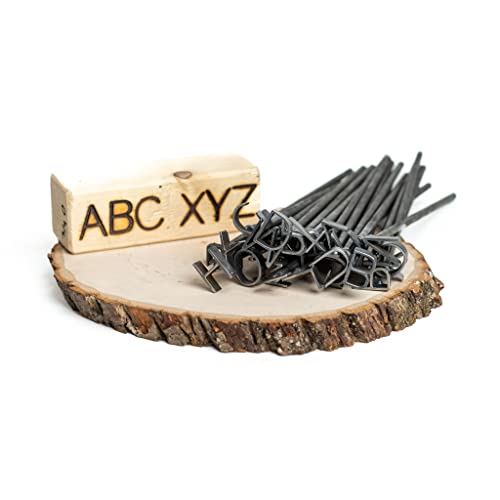
VERSATILE - These small steel 3/4" branding irons can be used for many more applications given their size. People often will use these to brand hats, wood, leather belts, furniture, cowhide, and many more adult DIY beginner crafts.
Frequently Asked Questions
Why Would Authors Use Pen Names?
Like a chameleon adapting to its surroundings, authors use pen names to guarantee creative freedom, address privacy concerns, diversify genres, and leverage branding strategy and marketability factors, enabling distinct identities and targeted audience engagement.
Why Does Nora Roberts Have a Pen Name?
Nora Roberts uses a pen name to differentiate her author identity, separating romance novels from other genres. This brand differentiation enhances market positioning, allowing distinct thematic exploration and appealing to varied reader demographics without confusing her established audience.
What Is the Difference Between a Pseudonym and a Pen Name?
A pseudonym is any fake name, like a secret agent’s alias, while a pen name specifically masks literary identity, balancing hidden creativity, privacy concerns, branding strategy, and genre distinction in an author’s carefully crafted public persona.
Why Did Rowling Use a Pen Name?
Rowling’s reasoning for using a pen name centered on genre versatility, allowing her to write crime fiction distinct from Harry Potter. The marketing strategy enhanced readership impact, while addressing privacy concerns and minimizing bias linked to her established identity.