As an Amazon Associate, we earn from qualifying purchases. Some links on this site are affiliate links at no extra cost to you. Our recommendations are based on thorough research and editorial judgment.


10 Best Communication and Relationship Books to Strengthen Your Connection

If you want to strengthen your connection, grab *Nonviolent Communication: A Language of Life* by Marshall Rosenberg—it’s a compact, practical guide full of empathy-building exercises. Or try *Effective Communication for Healthy Relationships*, a research-backed book focusing on emotional safety and conflict transformation. For a more structured approach, the *Couples Communication Workbook* offers a 12-day plan with real-world examples. These picks, along with insightful guides on emotional intelligence and conflict, offer tools you’ll find genuinely transformative—keep exploring to reveal even more strategies!
Key Takeaways
- Choose books like “Nonviolent Communication” that teach empathy and compassionate dialogue for deeper relationship connections.
- Opt for research-backed titles emphasizing emotional safety and conflict transformation, such as “Effective Communication for Healthy Relationships.”
- Look for practical frameworks in books like “The Next Conversation,” which focuses on reducing arguments and enhancing meaningful exchanges.
- Select structured workbooks offering daily exercises, like “Couples Communication Workbook,” to actively build intimacy and resolve conflicts.
- Prioritize titles highlighting emotional intelligence and empathetic listening to improve understanding and manage relationship dynamics effectively.
Nonviolent Communication: A Language of Life (Nonviolent Communication Guides)
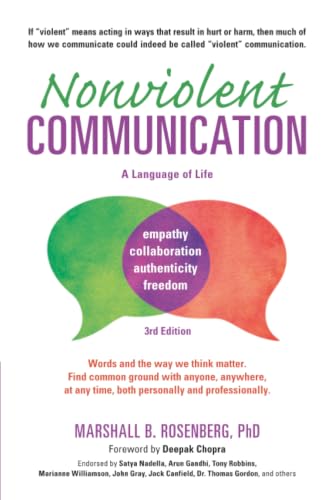

If you’re someone enthusiastic to transform how you connect and communicate—whether with loved ones, colleagues, or even yourself—Nonviolent Communication: A Language of Life (Nonviolent Communication Guides) by Marshall Rosenberg is an absolute must-read! This widely praised, 288-page book, published by PuddleDancer Press, has sold over 5 million copies and been translated into more than 35 languages, proving its global impact. Rosenberg’s approach helps you replace harmful habits—like blaming or name-calling—with empathetic skills that deepen understanding and collaboration. You’ll learn to express your needs and hear others with compassion, fostering genuine, respectful relationships that encourage shared power and effective, peaceful communication.
Best For: Individuals seeking to improve their communication skills and build empathetic, collaborative relationships with others in personal or professional settings.
Pros:
- Offers practical tools to replace harmful communication patterns with compassionate dialogue.
- Helps foster deeper understanding, connection, and shared power in relationships.
- Widely recognized and accessible, with over 5 million copies sold and translations in more than 35 languages.
Cons:
- Concepts may require consistent practice and reflection to fully integrate.
- Some readers might find the approach challenging if they are accustomed to more confrontational communication styles.
- Focuses mainly on interpersonal communication, which may not address all organizational or systemic communication issues.
Effective Communication for Healthy Relationships: Scientifically Proven Strategies
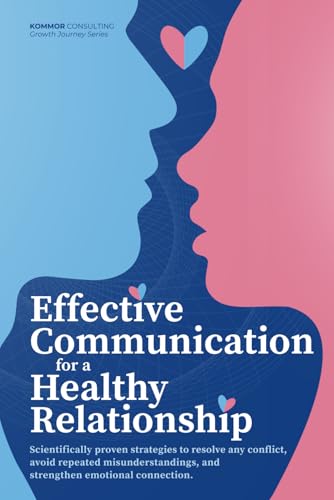
For anyone enthusiastic to strengthen their relationship through proven, practical methods, the “Best Communication and Relationship Books” offers a treasure trove of insights, blending scientific research with accessible advice that feels like chatting with a trusted friend. You’ll discover how communication is a skill to hone, not a natural given, debunking myths like “love makes talk easy.” These guides stress creating emotional safety—a comfy, judgment-free zone—for honest talks. They help you honor distinct communication styles, express needs clearly, and transform conflicts into closeness opportunities, weaving trust and empathy into daily rituals that nurture emotional intimacy. Exciting, right?
Best For: Individuals or couples eager to improve their relationship communication skills through research-backed, practical guidance.
Pros:
- Debunks common communication myths, providing a realistic approach.
- Emphasizes creating emotional safety and honoring different communication styles.
- Offers actionable strategies to build trust, intimacy, and transform conflicts into opportunities.
Cons:
- May require ongoing effort to practice and internalize communication skills.
- Some concepts might feel abstract without personalized coaching or examples.
- Not a quick fix; results depend on consistent application and mutual participation.
The Next Conversation: Argue Less, Talk More

Readers who want to transform their personal and professional conversations will find Jefferson Fisher’s The Next Conversation: Argue Less, Talk More an invaluable guide, especially since it combines his unique expertise as a communication specialist and trial lawyer to deliver practical, actionable strategies for maneuvering through conflict with confidence and control. Published by HarperBusiness and spanning 224 pages, this bestseller reveals Fisher’s three-part framework—speak with control, confidence, and connection—which reshapes heated dialogues into meaningful exchanges. You’ll learn to ditch argument-winning mindsets, set clear boundaries, and use brevity to maintain composure, making your conversations way more effective—and honestly, much less stressful!
Best For: individuals seeking to improve their communication skills to reduce conflict and build deeper connections in both personal and professional settings.
Pros:
- Provides a clear, three-part framework for effective communication: control, confidence, and connection.
- Offers practical, actionable strategies to handle difficult conversations with composure and assertiveness.
- Helps readers shift from conflict-driven interactions to meaningful, positive dialogues that improve relationships.
Cons:
- Some readers may find the legal/trial lawyer perspective less relatable if unfamiliar with that context.
- May require practice and self-discipline to consistently apply the strategies in real-life situations.
- Focuses on communication skills rather than addressing deeper psychological or emotional issues underlying conflicts.
Healthy Communication with Your Partner: Emotional Intelligence, Empathy & Listening Skills Guide

Couples enthusiastic to deepen their emotional bonds will find the *Best Communication and Relationship Books* an indispensable companion, packed with practical strategies that transform everyday talks into meaningful connections. You’ll explore emotional intelligence, learning to take responsibility for your feelings while recognizing your partner’s communication style—all distilled into a clear, 250-page guide (published by Harmony Books) that fits comfortably in your hand. Empathy and listening skills get special attention, offering simple techniques to boost understanding and prevent misunderstandings. Ready to turn conflicts into growth moments? This book’s accessible tips (read a chapter a day!) make building trust and connection feel genuinely achievable.
Best For: Couples seeking to enhance their emotional connection and communication skills through practical, easy-to-implement strategies focusing on emotional intelligence, empathy, and conflict resolution.
Pros:
- Offers clear, practical techniques to improve empathy and listening skills, fostering deeper understanding.
- Encourages personal responsibility and emotional intelligence to enhance relationship dynamics.
- Accessible format with manageable daily reading (one chapter a day) that fits into busy lifestyles.
Cons:
- May require consistent daily commitment, which could be challenging for some readers.
- Limited to emotional and communication strategies, potentially lacking broader relationship advice.
- Concepts might feel repetitive for readers already familiar with emotional intelligence and communication theories.
Couples Communication Workbook for Improving Relationships
Wondering how to deepen your connection through clearer, more empathetic conversations? The *Couples Communication Workbook for Improving Relationships* offers a practical, 12-day plan with daily 20-minute exercises that teach listening, validating, and expressing feelings without conflict escalation. Its step-by-step guided dialogues focus on empathy, goal clarification, and forgiveness, helping you and your partner stay engaged and intentional. You’ll appreciate how it combines real-world examples with love-boosting daily check-ins, making communication growth both manageable and meaningful. If you need something hands-on and results-driven, this workbook is a smart, effective tool to build stronger intimacy together!
Best For: Couples seeking a practical, structured approach to improve their communication skills and deepen their emotional connection through guided daily exercises.
Pros:
- Provides clear, skill-focused tools and examples for effective communication.
- Encourages daily practice with manageable 20-minute sessions to build lasting habits.
- Includes guided dialogues and exercises promoting empathy, validation, and conflict resolution.
Cons:
- Requires daily commitment for 12 consecutive days, which may be challenging for some couples.
- Focuses primarily on communication skills, potentially less suitable for addressing deeper psychological or individual issues.
- May need supplemental support for couples facing more complex or severe relationship problems.
Healthy Communication With Your Partner: Emotional Intelligence & Listening Skills Guide
If you’re enthusiastic to deepen your connection with your partner and navigate conversation pitfalls with grace, this guide on healthy communication, packed with insights on emotional intelligence and listening skills, is an ideal choice for anyone aiming to transform misunderstandings into meaningful dialogue. It highlights personal responsibility for your emotions, helping you turn conflict into collaboration without blame. With practical tips on empathy and active listening, you’ll engage more thoughtfully, boosting trust and intimacy. This approachable, day-by-day read from a reputable publisher offers manageable chapters perfect for busy couples wanting real change—truly a must-have for relationship growth!
Best For: Couples seeking to improve their relationship through emotional intelligence and effective communication techniques in a manageable, step-by-step format.
Pros:
- Emphasizes personal responsibility and emotional intelligence to deepen connection.
- Offers practical, easy-to-implement tips on empathy, active listening, and conflict resolution.
- Designed with short daily chapters, ideal for busy couples wanting gradual improvements.
Cons:
- May require consistent daily reading commitment, which could be challenging for some.
- Strategies might need personalization, as not all advice fits every unique relationship.
- Focuses primarily on communication skills and may not address deeper underlying relationship issues.
How to Be an Adult in Relationships: The Five Keys to Mindful Loving
When you’re ready to deepen your relationships by cultivating genuine presence and emotional maturity, How to Be an Adult in Relationships: The Five Keys to Mindful Loving stands out as a must-read, especially if you appreciate practical guidance wrapped in engaging prose and backed by thoughtful exercises. This 256-page gem from New Harbinger Publications explores love through the lens of the five A’s—attention, acceptance, appreciation, affection, and allowing—helping you break childhood patterns and foster healthy boundaries. You’ll also find modern advice on maneuvering breakups and online dating, making this book a smart, compassionate guide for today’s relationship challenges!
Best For: Individuals and couples seeking to cultivate emotional maturity and presence in their relationships through practical, modern, and mindful approaches.
Pros:
- Offers a clear framework with the five A’s to enhance mindful loving practices.
- Addresses contemporary relationship challenges like online dating and communication.
- Includes thoughtful exercises that help break negative childhood patterns and build healthy boundaries.
Cons:
- May be less suitable for readers looking for purely theoretical or academic relationship analysis.
- Some practical advice might feel repetitive for those already familiar with mindful loving concepts.
- Focuses primarily on romantic relationships, with limited coverage of other types of relationships.
Communication Skills for Couples: Guide to Improve Relationship and Marriage

Couples seeking a fresh perspective on improving their relationship will find the “Best Communication and Relationship Books” an invaluable resource, especially since these guides emphasize practical skills backed by research, like empathetic listening and decoding non-verbal cues. You’ll discover 7 proven ways to stop misreading your partner’s intentions, plus 6 techniques for interpreting their body language—both essential for clearer understanding. The step-by-step conflict resolution methods help de-escalate arguments while respecting your unique styles. With over 250 pages of actionable advice, these books (think sturdy hardcovers by respected publishers) make boosting love and trust not just possible, but genuinely enjoyable!
Best For: Couples looking to enhance their relationship through practical, research-backed communication skills and conflict resolution techniques.
Pros:
- Offers 7 proven ways to stop misinterpreting partner intentions and improve understanding.
- Includes 6 techniques for decoding non-verbal cues to deepen connection.
- Provides step-by-step conflict resolution methods tailored to different communication styles.
Cons:
- May require commitment and consistent practice to see significant improvements.
- Some techniques might feel challenging for couples new to vulnerability or emotional openness.
- The comprehensive 250+ pages of content might be overwhelming for those seeking quick fixes.
Recommended Products


10 Week Couples Therapy Workbook for Relationship Strengthening and Marriage Counseling
For those maneuvering communication roadblocks or rebuilding trust, the 10 Week Couples Therapy Workbook for Relationship Strengthening and Marriage Counseling offers a revitalizing practical, step-by-step approach designed to fit even the busiest schedules. This workbook breaks down key skills week-by-week, tackling everything from calm communication techniques to restoring intimacy and resolving conflicts constructively. With its clear exercises and guided reflections, you’ll find realistic strategies that genuinely foster closeness and trust, steering you away from negative patterns. The hands-on format feels like having an expert right beside you, making meaningful progress easy and achievable—even if life’s hectic!
Best For: Couples seeking practical, step-by-step guidance to improve communication, rebuild trust, and strengthen their relationship within a manageable, weekly framework.
Pros:
- Provides clear, structured exercises targeting essential relationship skills each week.
- Focuses on realistic, easy-to-apply strategies suitable for busy lifestyles.
- Addresses communication, conflict resolution, and intimacy comprehensively.
Cons:
- May require consistent commitment over 10 weeks, which can be challenging for highly busy couples.
- Lacks the personalized interaction that live therapy sessions offer.
- Primarily designed for couples comfortable with self-guided learning and reflection.
The Inner Work of Relationships Book: Heal Your Inner Child & Create Conscious Relationships

If you’re looking to deepen your connection by healing past wounds and building a truly conscious partnership, The Inner Work of Relationships, published by Balboa Press with about 250 pages of insightful guidance, might just become your new go-to. This book helps you and your partner heal your inner child wounds, break toxic cycles, and navigate triggers with compassion, drawing on spiritual wisdom from Hinduism, Buddhism, and Christianity. You’ll find practical tools for conscious communication and balancing relationship dynamics that transform conflicts into growth opportunities—perfect for couples ready to create lasting, meaningful bonds through shared healing!
Best For: Couples seeking to heal past wounds, improve communication, and build conscious, lasting relationships through shared personal growth and spiritual insights.
Pros:
- Provides practical tools for conscious communication and managing relationship dynamics.
- Emphasizes healing the inner child and breaking generational toxic cycles.
- Draws from diverse spiritual traditions, offering a holistic approach to relationship growth.
Cons:
- Not suited for individuals in abusive relationships or those considering divorce.
- May not address issues related to unmanaged mental health or active addiction thoroughly.
- Primarily focused on committed couples, limiting relevance for singles or casual relationships.
Factors to Consider When Choosing Communication Relationship Books

When picking a communication or relationship book, you’ll want to match its style to your own way of connecting, ensuring it offers practical tips you can actually try in real life (because who has time for fluff?). Look for authors who emphasize emotional intelligence and clear conflict resolution strategies—these are often highlighted in approachable, well-organized guides like those from Ten Speed Press or Harper Wave, usually around 250 pages. And don’t forget to choose books that align with your specific relationship goals; finding that perfect fit turns reading into real growth, and trust me, it makes all the difference!
Communication Style Compatibility
Although communication styles can vary widely between partners, understanding these differences is central to choosing relationship books that truly resonate with your unique connection. You’ll want titles like “The 5 Love Languages” (published by Northfield, about 200 pages, noted for its accessible, engaging exercises) that spotlight personal styles, helping you recognize and honor both your voice and your partner’s. When a book encourages emotional intelligence—like Daniel Goleman’s “Emotional Intelligence” (Bantam, 375 pages, softcover)—you get tools to navigate clashes or misunderstandings with respect and deeper understanding. Picking books addressing style compatibility means you’re preparing to transform conflicts into growth moments, fostering intimacy rather than tension, which is exactly the path to stronger communication you’re enthusiastic to explore!
Practical Application Focus
Because practical application is the key to real growth, you’ll want to pick communication and relationship books that go beyond theory, offering actionable strategies and step-by-step exercises you can try at home, like “Crucial Conversations” (McGraw-Hill, 288 pages, paperback), which masterfully combines clear tools with relatable examples to help you navigate tricky talks with confidence and ease! Look for books that break down communication styles and provide real-world examples for handling conflicts, so you can immediately practice in everyday life. It’s essential to choose resources emphasizing daily practice and trust-building, helping create emotional safety that strengthens your connection. Prioritizing texts that bridge theory with tangible exercises means you’ll gain skills, not just knowledge, making your relationships feel more fulfilling and less frustrating (finally!).
Emotional Intelligence Emphasis
Getting practical skills under your belt is just one piece of the puzzle; understanding the emotional currents beneath your conversations takes your connection to another level. When choosing communication books, look for those that highlight emotional intelligence—think titles like *Emotional Intelligence* by Daniel Goleman (Bantam, 352 pages), which dives into empathy and self-awareness, or *Nonviolent Communication* by Marshall Rosenberg (PuddleDancer Press, 272 pages), known for its clear tools on managing feelings. These books don’t just teach you to talk; they help you recognize your emotions and genuinely listen to your partner’s, creating space for deeper understanding. Books emphasizing emotional intelligence often feature exercises for mastering empathy and active listening, essential for building satisfying relationships. After all, high emotional intelligence lets you transform misunderstandings into connection opportunities—something every couple needs (even the most patient ones!).
Conflict Resolution Strategies
When you want to move beyond mere understanding and truly transform conflicts into moments of connection, choosing communication books that offer practical conflict resolution strategies is a game-changer! Look for titles, such as those published by New Harbinger (around 300 pages, paperback with helpful summaries), that walk you through step-by-step methods to de-escalate tension by encouraging calm, respectful dialogue—so both you and your partner feel genuinely heard. Books emphasizing how to express feelings without blame, spot personal triggers, and set the right timing and tone during tough talks really stand out. These features help create emotional safety, turning disagreement into closeness instead of conflict. When you find a guide that mixes real-world examples with clear, actionable advice, you’re set to break old communication habits and build a stronger bond!
Relationship Goal Alignment
While choosing communication books, you’ll want to focus on those that align closely with your relationship goals—whether you’re aiming to deepen emotional connection, sharpen communication skills, or tackle conflict resolution head-on. Look for titles like *The Five Love Languages* (published by Northfield, 220 pages) that emphasize trust and intimacy-building techniques, perfect if you want to strengthen your bond. If personal growth and emotional intelligence interest you, consider books addressing accountability for both partners, such as *Emotional Agility* by Susan David (Avery, 288 pages). Also, evaluate if the book offers strategies to manage misunderstandings and foster emotional safety, essential for creating secure relationships. Make sure its approach suits your desire for collaborative solutions and compromise, reflecting your shared aspirations for a healthier dynamic—you deserve a resource that motivates real change!
Frequently Asked Questions
Are These Books Suitable for Long-Distance Relationships?
Absolutely, these books work wonders for long-distance relationships, acting like a compass guiding you through emotional currents and communication waves. Packed with insightful strategies and relatable stories (like “Hold Me Tight” by Dr. Sue Johnson, published by Little, Brown, 320 pages, hardcover), they help you build trust and closeness despite miles apart. The practical tips and exercises make connecting feel more intimate and less intimidating, turning digital dialogues into heartfelt conversations!
Can These Books Help With Communication After Infidelity?
Absolutely, these books can really help you rebuild communication after infidelity! Titles like *Hold Me Tight* by Dr. Sue Johnson (published by Little, Brown, 320 pages) dive deep into emotional connection and trust rebuilding, using compassionate, research-based insights. Their reassuring tone and practical exercises guide you both gently back to openness—plus, the sturdy paperback versions feel great in hand during those tough talks. They’re a solid, hopeful resource you’ll appreciate!
Do These Books Address Communication Differences Across Cultures?
Yes, some of these books do tackle communication differences across cultures, which can really open your eyes! For example, “The 5 Love Languages” by Gary Chapman (Northfield Publishing, 208 pages, paperback) explores how cultural backgrounds shape how people express love, helping you understand diverse perspectives better. These insights aren’t just theory—they’re practical, easy to apply, and can transform conversations where cultural misunderstandings once caused friction, making your connection way stronger!
Are There Books Focused on Improving Communication for Blended Families?
You know what they say, “It takes a village”—and *Stepfamily Life* by Patricia L. Papernow (Beacon Press, 256 pages, paperback with helpful exercises) dives deep into blended family communication challenges, offering practical tools and real-life examples. It’s approachable yet insightful, perfect if you’re maneuvering stepparent-stepchild dynamics. Another gem is *Blended Families Plain & Simple* (New Harbinger, 220 pages), which uses straightforward language and clear strategies to strengthen bonds and ease tensions. Definitely worth checking out!
Do These Books Offer Digital or Audio Versions for Busy Couples?
Yes, many of these relationship gems come in digital and audio formats, perfect for busy couples on the go! For example, “The 5 Love Languages” by Gary Chapman—a 208-page paperback from Northfield Publishing—has an engaging audiobook narrated by the author himself, letting you soak up insights during commutes or workouts. Digital editions often include interactive features, making it easier to pause, reflect, or revisit key sections whenever you need a refresher!