As an Amazon Associate, we earn from qualifying purchases. Some links on this site are affiliate links at no extra cost to you. Our recommendations are based on thorough research and editorial judgment.

The Evolution of Bookstores: Independent Vs Chain

The evolution of bookstores is a fascinating saga of cozy independent shops, beloved for their local charm and personalized service, clashing with sprawling chains like Barnes & Noble, which reshaped book selling nationwide with vast selections and sleek layouts. E-commerce giants like Amazon shook the market, yet indie bookstores adapted brilliantly through community events, social media buzz, and tech innovations such as on-demand printing. Independent bookstores’ resilience and creativity offer a thrilling glimpse into the future of literary retail—there’s more to uncover!
Key Takeaways
- Independent bookstores thrived in the 1970s but declined due to chain growth in the 1980s and Amazon’s rise in 1995.
- Chains like Barnes & Noble and Borders expanded aggressively, causing significant challenges and reducing indie store numbers.
- Independent bookstores saw a resurgence from 2009 with community engagement, personalized experiences, and local collaboration.
- E-commerce platforms like Bookshop.org and technology adoption have revitalized indie bookstores amidst digital competition.
- The future favors indie bookstores through adaptability, unique offerings, and filling gaps left by struggling or bankrupt chains.
Historical Overview of Chain and Independent Bookstores
Although the landscape of bookstores has shifted dramatically over the past several decades, it’s fascinating to trace how independent shops once thrived in the late 1970s, boasting a vibrant, family-owned charm across the U.S. Independent bookstores, cherished for their unique selections and cozy atmosphere, faced intense competition beginning in the 1980s and 1990s as chain retailers like Barnes & Noble and Borders expanded rapidly. This competition triggered a sharp decline in physical bookstores, with independent booksellers dropping by nearly 40% after Amazon’s 1995 launch. Yet, the story doesn’t end there! From 2009 onwards, a surprising bookstore resurgence occurred, as independent bookstores experienced significant growth—nearly 40%—despite chain retailers’ previous dominance, illustrating that community-focused shops remain an essential part of today’s literary landscape! This resurgence aligns with the broader trend of readers seeking personal growth resources that often offer a more curated and meaningful shopping experience.
The Impact of E-commerce on Bookselling
As digital technology rapidly redefined consumer habits, e-commerce emerged as a powerful force transforming the bookselling world, offering both challenges and opportunities for sellers large and small. Amazon claimed 50% of trade book sales moved online in 2020, markedly shifting the landscape for independent bookstores and chains alike. Yet, alternatives like Bookshop.org, which generated $54 million in sales by 2021 and helped indie bookstores earn over $18 million, revealed promising avenues for local sellers. The American Booksellers Association played a pivotal role, investing in e-commerce tools to strengthen independents’ online presence, especially during the pandemic when many shifted focus from physical books to online bookstores. With around 400 independent bookstores relying on Bookshop.org, e-commerce became a dynamic and essential lifeline in today’s evolving market! Innovative platforms promoting local commerce strategies continue to empower independent retailers to compete effectively.
Recommended Products
![DeskFX Free Audio Effects & Audio Enhancer Software [PC Download]](https://m.media-amazon.com/images/I/41fXbDohyuS._SL500_.jpg)
Transform audio playing via your speakers and headphones


Address book software for home and business (WINDOWS 11, 10, 8, 7, Vista, and XP. Not for Macs). 3 printable address book formats. SORT by FIRST or LAST NAME.
Independent Bookstores’ Strategies Against Online Giants
Independent bookstores have skillfully responded to the overwhelming dominance of online giants by embracing a blend of smart technology and community-driven tactics that feel both modern and warmly familiar. E-commerce initiatives, like partnering with Bookshop.org—which earned indie bookstores over $18 million in pandemic profits—have expanded their reach beyond the physical store, while fostering customer experience that online giants struggle to replicate. Community engagement remains a cornerstone, with local events and collaborations boosting foot traffic and deepening connections. Significantly, independent bookstores often align with Barnes & Noble to create a united front, networking within the publishing industry for fairer practices. Their brick-and-mortar bookstores thrive not only because of savvy inventory management but also through authentic interaction, proving that warm hospitality paired with collaboration offers a winning strategy. Many also incorporate unique displays and inviting reading nooks that enhance engagement and create cozy, welcoming environments for visitors.
Recommended Products

📚DIY Miniature Book Nook House Kit: Create your own cozy reading space with this 187-piece DIY miniature house kit. This two-story tiny house combines a charming study room and coffee corner scene in one immersive build.


【Fun Designed Book Nook Kit-OWL Bookstore】 The booknook is a renaissance-inspired owl bookstore with classical library charm and vintage architectural elements. Every piece is pre-cut and pre-colored, it mostly snaps together instead of being glued together. There is also a step by step colored instruction to follow it when set up
Technological Innovations Transforming Indie Stores
A remarkable wave of technological innovations has revitalized the charm and efficiency of indie bookstores, transforming them from quaint, paper-laden shops to dynamic hubs of literary delight and savvy commerce. Independent bookstores now rely on advanced inventory systems like Above the Treeline, streamlining operations and improving stock accuracy. The advent of Espresso Book Machines, capable of printing up to 1,000 titles monthly, allows these stores to offer tailored, on-demand editions that truly celebrate local interests. E-commerce platforms such as Bookshop.org have been a game-changer, boosting sales and expanding reach beyond physical walls. Meanwhile, smart use of social media channels like Bookstagram and TikTok ramps up foot traffic while showcasing community-focused experiences, ensuring indie stores remain vibrant, competitive, and ready for the future. Additionally, embracing practical problem-solving in technology adoption helps indie bookstores address complex operational challenges effectively.
Recommended Products



Community Engagement as a Business Model
Beyond the digital tools and streamlined systems that have invigorated indie bookstores, their beating heart increasingly thrives on community engagement—the kind that transforms casual browsers into devoted regulars, turning simple transactions into memorable experiences. Independent bookstores now host vibrant book clubs and collaborative events with local businesses, crafting atmospheres where bookstore owners nurture genuine connections with their local community. These initiatives not only boost print book sales but also deepen social responsibility, as seen in programs like BookGive, which donates thousands of books to community groups. Even virtual author talks have broadened reach, proving that community engagement is more than a strategy—it’s the lifeblood of thriving indie bookstores, turning them into beloved hubs where every visit feels personal, spirited, and essential! This approach to engaging readers is reminiscent of the storytelling style that makes memoir books so immersive and impactful.
Diversification of Revenue Streams in Bookstores
While selling books remains the foundation of many bookstores, an impressive shift has occurred as shops like Story & Song now draw nearly half their income from an eclectic mix of bistro offerings, curated non-book merchandise, and lively events. Independent bookstores have embraced diversified revenue streams, with non-book merchandise—ranging from artisanal gifts to stationery—boosting sales dramatically, as seen at Lovestruck. Enhancing customer experiences through engaging community events, book clubs, and workshops creates a welcoming atmosphere that encourages repeat visits and loyalty. Additionally, integrating e-commerce platforms such as Bookshop.org expands reach and generates digital sales, further diversifying income. This thoughtful blend of physical ambiance, meaningful gatherings, and online presence isn’t just smart business; it’s a heartfelt way to keep bookstores vibrant places where books and beyond thrive together! Incorporating community engagement strategies can also significantly enhance customer loyalty and drive sustained growth in independent bookstores.
Recommended Products


Versatile Theme Design: This backdrop features a unique combination of a romantic floral arch and a vintage bookshop aesthetic, making it perfect for bridal showers, engagement parties, wedding ceremonies, book club gatherings, or birthday celebrations. It adds a touch of literary elegance to any event.
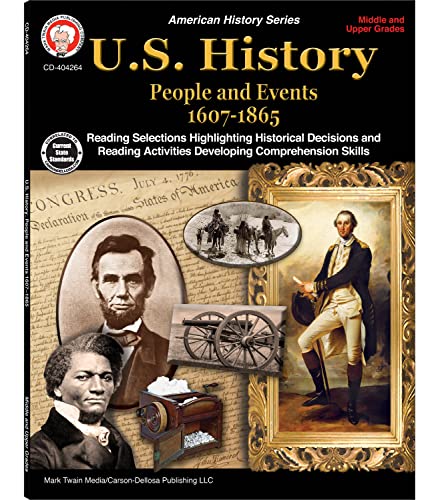
Help students understand how America came to be with Mark Twain’s U.S. History People and Events 1607-1865 for grades 6-12
The Role of Social Media in Modern Bookselling
In today’s digital age, social media has rapidly transformed from a mere marketing tool into an indispensable lifeline for independent bookstores, with lively communities on Instagram and TikTok—known affectionately as Bookstagram and BookTok—sparking enthusiasm for titles ranging from debut novels to timeless classics. These platforms fuel community engagement through vibrant posts, live readings, and interactive giveaways, crafting a holistic experience that mirrors the in-store charm. Independent bookstores increasingly harness digital marketing, often outsourcing social media management, to boost online sales via sites like Bookshop.org, rivaling larger retailers. They also promote local events and collaborations, strengthening community bonds and cultural presence. This dynamic blend of social media and physical connection makes modern bookselling both exciting and sustainable, proving that independent bookstores can thrive as cultural hubs in a digital world! Moreover, integrating productivity frameworks helps bookstores manage marketing and community efforts more efficiently, blending creativity with strategic planning.
Recommended Products


Challenges and Legal Actions Faced by Indies and Chains
Bookstores, those beloved havens for readers and wanderers alike, have weathered a storm of formidable challenges throughout recent decades, especially with the emergence of major chains like Borders and Barnes & Noble, whose expansion triggered a dramatic decline in independent stores by nearly 40% after Amazon’s online revolution began in 1995. Independent bookstores, fiercely committed to community engagement, faced tough competition but showed remarkable resilience by adapting to shifting trade sales that moved 50% online by 2020. Legal action has played a vital role, with the American Booksellers Association securing settlements—$25 million in 1997 against publishers for discrimination and $4.7 million in 2001 against Barnes & Noble and Borders—supporting small booksellers. These intertwined challenges, involving digital disruption and aggressive chain growth, highlight the ongoing struggle and spirited tenacity of indie bookstores in a rapidly evolving market. Many bookstores have also embraced practical exercises in communication and business strategies to better engage their communities and sustain growth.
The Future Outlook for Independent and Chain Bookstores
How can independent bookstores thrive amid the shifting tides of retail and online commerce? The promising resurgence of independent bookstores, reflected by the rise in American Booksellers Association membership to 2,433 in 2021, signals a bright future. Local indie shops are increasingly filling gaps left by struggling chain bookstores, whose market presence has dwindled due to bankruptcies. Platforms like Bookshop.org, which generated $54 million in book sales in 2021, empower these indies by blending e-commerce with community engagement, helping them connect with readers beyond physical walls. This synergy fuels optimism, as the expected growth of 192 new independent stores encourages personalized shopping experiences that chains often lack. Additionally, a focus on engaging content tailored to diverse customer interests can strengthen these stores’ relevance and appeal. Overall, the future outlook shines on independent bookstores, dedicated to meaningful community ties and innovative adaptations in an evolving landscape!
Frequently Asked Questions
What Is One Advantage Chain Bookstores Have Over Independent Booksellers?
Discount pricing, vast selection, marketing power, and loyalty programs establish an affordability edge and brand recognition for chain bookstores. Their consistent inventory and prime locations further enhance customer attraction, giving them a distinct advantage over independent booksellers.
What Makes a Bookstore Independent?
A bookstore is independent when it features local ownership, emphasizes community engagement, offers curated selections, hosts unique events, provides personalized service, practices ethical sourcing, fosters literary culture, and cultivates strong customer loyalty.
Is Barnes and Noble the Only Chain Bookstore?
Barnes and Noble is not the only chain bookstore; chain bookstore competition includes Books-A-Million and others. Independent bookstore resurgence thrives on local community support, unique author events, and customer experience differences amid online retail influence, promoting reading culture.
What Do Researchers See as the Cause of a Significant Increase in Independent Bookstores in the United States Between 2009 and 2015?
Researchers attribute the 35% surge in independent bookstores from 2009 to 2015 to rising consumer preferences for a personalized bookstore experience, bolstered by social media, local community engagement, author events, and economic sustainability amidst growing online shopping.