As an Amazon Associate, we earn from qualifying purchases. Some links on this site are affiliate links at no extra cost to you. Our recommendations are based on thorough research and editorial judgment.


10 Best Computer Science Books to Boost Your Coding Skills in 2026

If you want to boost your coding skills in 2026, grab *Computer Architecture: A Quantitative Approach* (Morgan Kaufmann, 800+ pages) for deep hardware insights or *Everything You Need to Ace Computer Science and Coding*—a fun, accessible guide perfect for beginners. For practical problem solving, *Algorithms to Live By* blends computer science with everyday choices brilliantly. *Principles of Computer Science* offers hands-on exercises featuring Python, while advanced readers will love *Parallel Computer Organization and Design*. Stick around to discover even more standout titles and expert tips!
Key Takeaways
- “Computer Architecture: A Quantitative Approach” offers deep GPU/CPU design insights, ideal for advanced learners seeking real-world practical understanding.
- *Everything You Need to Ace Computer Science and Coding in One Big Fat Notebook* is perfect for middle schoolers or beginners wanting fundamental programming concepts.
- *Principles of Computer Science: An Invigorating, Hands-on Approach* suits beginners with no experience, providing practical exercises like building a programming language interpreter.
- *Parallel Computer Organization and Design* targets advanced students focusing on parallel computing with detailed memory hierarchy and GPU architecture content.
- *Python Programming Essentials* helps beginners learn Python basics through hands-on projects like chatbots and weather dashboards for practical coding skill building.
Computer Architecture: A Quantitative Approach (Morgan Kaufmann Series)

If you’re diving into the nuts and bolts of how computers really work, “Computer Architecture: A Quantitative Approach” (Morgan Kaufmann Series) is the go-to, packed with nearly three decades of insight from the legendary John Hennessy and David Patterson, who even snagged the prestigious 2017 ACM A.M. Turing Award. This seventh edition, updated with Christos Kozyrakis, dives into modern GPU and CPU designs, plus the latest system chips and heterogeneous architectures. Published by Morgan Kaufmann, its well-structured chapters break down core concepts, real-world tech examples, and tricky architectural pitfalls—making it a must-have for serious learners seeking deep, practical understanding!
Best For: Students, educators, and professionals seeking a comprehensive and up-to-date resource on computer architecture that blends theoretical foundations with practical, real-world applications.
Pros:
- Authored by Turing Award winners John Hennessy and David Patterson, lending authoritative insights and credibility.
- Covers latest advancements including GPU/CPU designs, system-on-chip, and heterogeneous architectures.
- Features clear chapter structure with examples of common pitfalls and real-world application scenarios.
Cons:
- Dense and technical content may be challenging for beginners without a strong background in computer science.
- Focuses heavily on quantitative analysis, which might be intimidating for readers looking for a more conceptual overview.
- The extensive depth and detail could be overwhelming for casual readers or those seeking a quick introduction.
Everything You Need to Ace Computer Science and Coding in One Big Fat Notebook (Middle School Study Guide)
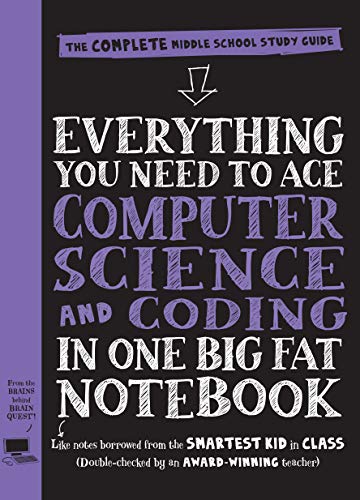

For middle schoolers diving into computer science, *Everything You Need to Ace Computer Science and Coding in One Big Fat Notebook* is your go-to guide, crafted by the editors of Brain Quest, America’s top educational bestseller. This approachable, 288-page study guide breaks down core concepts like algorithms, loops, and binary code with clear notes from the “smartest kid in class.” You’ll get hands-on introductions to Scratch and Python programming, web design basics with HTML and CSS, plus essential cybersecurity insights. Endorsed by top teachers and aligned with educational standards, it’s an engaging resource that makes complex ideas accessible and fun—perfect for your coding journey!
Best For: Middle school students who want a comprehensive, easy-to-understand introduction to computer science and coding concepts.
Pros:
- Covers a wide range of computer science fundamentals including algorithms, binary code, and programming logic.
- Introduces popular programming languages Scratch and Python along with web development basics like HTML and CSS.
- Endorsed by National and State Teacher of the Year Award winners and aligns with educational standards for reliability and quality.
Cons:
- May be too basic for advanced or high school students seeking deeper programming knowledge.
- Primarily focused on middle school curriculum, limiting content on more complex computer science topics.
- The notebook format may not suit learners who prefer interactive or multimedia-based learning tools.
Principles of Computer Science: An Invigorating, Hands-on Approach

You’ll find Principles of Computer Science: An Invigorating, Hands-on Approach perfect if you’re diving into computer science without prior programming experience, since it breaks down core concepts like discrete math, logic, and programming languages through clear explanations and engaging, hands-on exercises. This 320-page, bright hardcover from Innovate Press walks you through building a programming language interpreter from scratch, covering functional and non-functional paradigms. You’ll grasp code translation and compilation firsthand, plus get introduced to event-driven programming and memory management techniques like garbage collection. It’s an extensive, practical guide that makes learning foundational CS concepts exciting and accessible!
Best For: Beginners in computer science who want a comprehensive, hands-on introduction to programming language concepts, compilation, event-driven programming, and memory management.
Pros:
- Covers core theoretical concepts with no prior programming experience needed.
- Includes practical exercises like building a programming language interpreter.
- Addresses both functional and non-functional paradigms along with modern topics like event-driven programming.
Cons:
- May be overwhelming for readers seeking a quick or simplified overview.
- Focuses heavily on theory and implementation details, which might not suit purely application-focused learners.
- Lacks advanced topics for experienced programmers looking to deepen specialized knowledge.
Algorithms to Live By: The Computer Science of Human Decisions
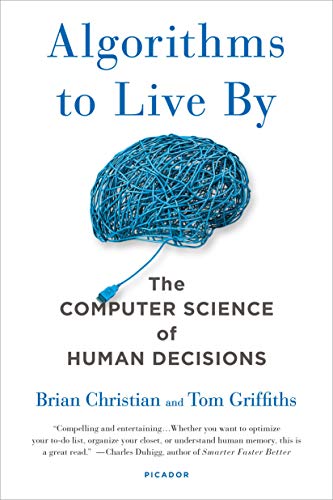
Tech enthusiasts and curious thinkers will find *Algorithms to Live By: The Computer Science of Human Decisions* an intriguing read, with its 368 pages published by Henry Holt and Company offering a fresh lens on how computer algorithms mirror our daily choices. You’ll discover practical strategies for common dilemmas—from finding a parking spot to organizing emails—showing how computer science tackles life’s complexity. This book bridges psychology and coding, revealing surprising parallels that can sharpen how you decide, communicate, and prioritize. If you want to boost both your tech savvy and life skills, it’s a smart, compelling pick you won’t regret!
Best For: Tech enthusiasts and curious thinkers looking to apply computer science principles to improve everyday decision-making and life organization.
Pros:
- Offers practical strategies for solving common life dilemmas using computer algorithms.
- Bridges computer science and psychology to provide insightful perspectives on human decision-making.
- Covers a wide range of real-life applications, from communication to organization and prioritization.
Cons:
- Some algorithm concepts may be complex or technical for readers without a computer science background.
- The interdisciplinary approach might feel dense or abstract for those expecting straightforward self-help advice.
- Practical applications may require adaptation to individual circumstances, limiting direct usability for all readers.
Parallel Computer Organization and Design
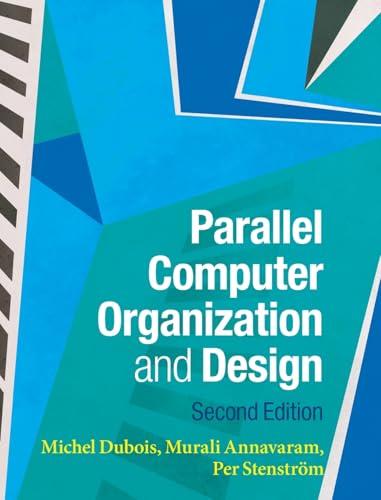
If you’re diving into the world of parallel computing, the book *Parallel Computer Organization and Design* stands out as a superb choice, especially because it’s crafted to guide senior undergraduates and graduate students through complex design challenges with clear, approachable explanations. This book packs in fresh insights about GPUs, detailed memory hierarchies, and new memory tech—you’ll find real-world examples and simple code samples to boost understanding. Its streamlined structure keeps key reliability topics tucked in the appendix, letting you focus on core concepts. If you aim to master cutting-edge computer systems design, this one’s a smart pick for 2026!
Best For: senior undergraduate and graduate students looking to gain a comprehensive and practical understanding of parallel computer system design aligned with current and emerging technologies.
Pros:
- Includes up-to-date content on GPUs, memory hierarchies, and new memory technologies relevant to parallel computing.
- Provides real-world examples and simple code samples that enhance learning and application.
- Streamlined structure with core concepts prioritized and reliability topics available in the appendix for focused study.
Cons:
- May be too advanced for beginners without a strong background in computer architecture.
- Reliability and technology background relegated to the appendix, which might require extra effort for students needing deeper understanding in those areas.
- Focused primarily on academic coursework; may require supplemental materials for industry-specific applications or cutting-edge research developments beyond the 2026 scope.
Python Programming for Beginners: Complete Coding Crash Course
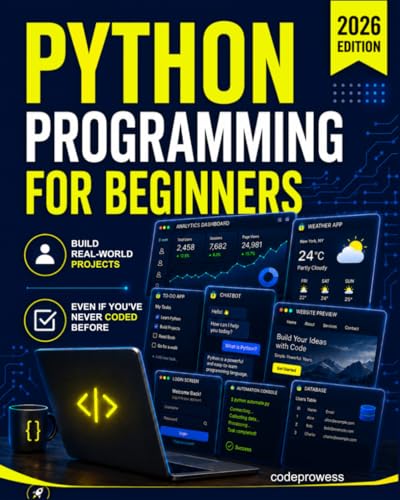
For anyone keen to build a solid foundation in coding without drowning in confusing jargon or overly long courses, *Python Programming for Beginners: Complete Coding Crash Course* is an outstanding choice, especially if you appreciate a well-organized, logically paced guide that turns abstract concepts into actual working programs quickly. You’ll explore Python installation, data types, loops, functions, and even object-oriented programming, all structured to build your confidence steadily. With real projects like weather dashboards and chatbots, plus exclusive extras like a Python cheat sheet, it’s a practical, efficient launchpad for new careers or side hustles—highly recommended!
Best For: Beginners and aspiring programmers looking for a clear, well-structured, and practical introduction to Python that quickly moves from fundamentals to real-world applications.
Pros:
- Logical, paced course structure that builds skills and confidence step-by-step.
- Hands-on projects like weather dashboards and chatbots enhance practical learning.
- Includes useful bonus resources such as a Python cheat sheet and career advancement tips.
Cons:
- May not satisfy advanced users seeking deep or specialized Python topics.
- Limited focus on theory might leave gaps for those interested in computer science fundamentals.
- Projects may require internet access or extra tools not covered in the book.
Code: The Hidden Language of Computer Hardware and Software

You’ll find “Code: The Hidden Language of Computer Hardware and Software” by Charles Petzold especially rewarding if you’re curious about how everyday devices actually work beneath their sleek exteriors—published by Microsoft Press with just under 400 pages of engaging storytelling mixed with technical clarity, this book invites you into the world where simple electrical impulses transform into complex digital magic. Petzold masterfully reveals the inner workings of computers, tackling everything from circuits to CPUs, with fresh chapters and an interactive website to help you visualize key concepts. It’s a must-read for anyone wanting to truly understand their tech!
Best For: Anyone curious about the fundamental workings of everyday digital devices, from beginners to intermediate tech enthusiasts seeking a clear, engaging introduction to computer hardware and software.
Pros:
- Combines storytelling with technical detail to make complex concepts accessible and engaging.
- Includes updated content with new chapters on critical computing components like the ALU and CPU control signals.
- Offers interactive learning through a companion website featuring animated circuit graphics that reinforce understanding.
Cons:
- Some technical sections may be challenging for readers without any prior knowledge of electronics or programming.
- The book’s focus on foundational concepts may not cover the latest, highly specialized technologies in computing.
- Nearly 400 pages long, which might be overwhelming for casual readers expecting a quick overview.
Art of Computer Programming, The, Volumes 1-4B, Boxed Set
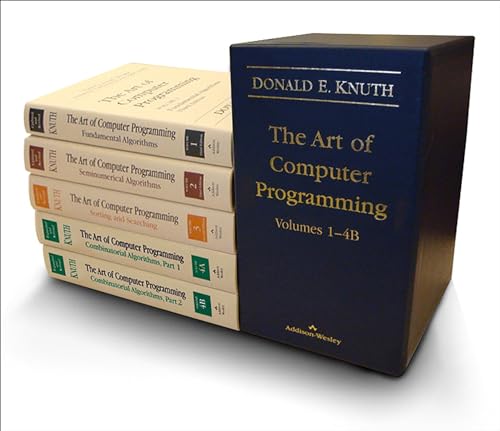
Knuth’s *The Art of Computer Programming, Volumes 1-4B*, boxed set is a must-have for anyone serious about mastering algorithms, especially if you thrive on in-depth explorations into both theory and practical applications that few books can match. This set, including the newly released Volume 4B, dives deep into combinatorial algorithms and offers detailed insights on search spaces and SAT solvers, packed across five volumes full of clarity and wit. Whether you’re a coder hungry for precision or a scholar craving rigor, this beautifully structured collection will become your go-to, blending robust math with a surprisingly engaging style.
Best For: Serious programmers, computer science students, and professionals seeking a deep, rigorous understanding of algorithms and combinatorial mathematics.
Pros:
- Comprehensive and well-structured coverage of fundamental and advanced algorithm topics across five volumes.
- Combines theoretical rigor with practical examples and accessible, engaging writing.
- Includes newly released Volume 4B, extending insights into combinatorial algorithms and real-world applications like SAT solvers.
Cons:
- Dense and challenging content that may be overwhelming for beginners or casual readers.
- Requires a strong mathematical background to fully grasp some complex concepts.
- The extensive depth and detail can make reading time-consuming for those seeking quick references.
The Self-Taught Computer Scientist Beginner’s Guide to Data Structures & Algorithms

Anyone keen to bridge the gap between hands-on coding and a deeper understanding of computer science fundamentals will find The Self-Taught Computer Scientist Beginner’s Guide to Data Structures & Algorithms an empowering companion, especially as it dives into essential structures like arrays and binary trees with clarity and purpose. Written by Cory Althoff, who gained hands-on experience after teaching himself programming, this 300-page guide (published by CreateSpace) breaks down critical topics like linked lists and hash tables, prepping you for technical interviews and real-world coding challenges. It’s a practical, approachable read that makes tough concepts accessible for self-learners keen to sharpen their skills!
Best For: self-taught programmers and beginners looking to deepen their understanding of computer science fundamentals and prepare effectively for technical interviews.
Pros:
- Covers a broad range of essential data structures and algorithms with clear explanations.
- Written by an author with firsthand self-learning experience, making it relatable and practical.
- Supports interview preparation and real-world coding skills, bridging theory and practice.
Cons:
- Does not replace a full computer science degree for in-depth study.
- May be challenging for absolute beginners without any prior coding experience.
- Limited to foundational topics; advanced algorithms and data structures are not covered in depth.
5 Steps to a 5: AP Computer Science Principles 2026 Practice and Review Guide
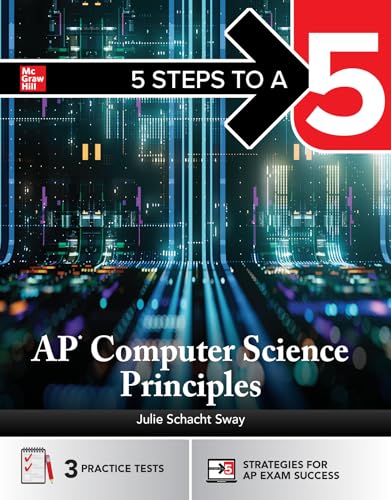
For students gearing up for the AP Computer Science Principles exam, the 5 Steps to a 5: AP Computer Science Principles 2026 Practice and Review Guide stands out as a top choice, especially if you want a well-rounded, strategic approach to test prep that combines practice, expert tips, and digital tools in one package. This Simon & Schuster book, packed with 400 pages, offers three full-length sample tests and hundreds of practice questions, all aligned with the latest exam format. You’ll love its personalized study plans, digital flashcards, and expert strategies from seasoned AP educators—tools that make studying efficient and even a bit enjoyable!
Best For: Students preparing for the AP Computer Science Principles exam who want a comprehensive study guide with a strategic approach combining practice tests, expert advice, and interactive digital tools.
Pros:
- Includes three full-length practice exams and hundreds of practice questions aligned with the latest exam format.
- Offers personalized study plans, digital flashcards, and interactive practice tests for efficient, on-the-go learning.
- Written by experienced AP educators providing unique exam strategies and tips not found elsewhere.
Cons:
- At 400 pages, the guide may be overwhelming for students seeking a shorter, more concise review.
- Focuses primarily on AP exam prep, so it might not cover broader computer science topics in depth.
- Some users may prefer physical flashcards or in-person tutoring over digital study tools.
Factors to Consider When Choosing Computer Science Books
When you’re choosing a computer science book, it’s key to reflect on who it’s for—beginner, intermediate, or expert—since that affects how deeply the subject is covered and whether practical, hands-on examples are included. You’ll also want to check the author’s credentials and verify the content matches current technology trends, so you’re learning the most relevant skills (because outdated info, no matter how well written, can be frustrating). Finding a book published by a reputable company with clear explanations and up-to-date topics, like the 600-page “Clean Code” by Robert C. Martin from Pearson, will make your study sessions both efficient and enjoyable!
Target Audience Level
How do you know if a computer science book is right for your current skill level? Start by evaluating your prior knowledge: beginner books, like “Python Crash Course” by No Starch Press (around 560 pages, softcover), focus on fundamentals with hands-on exercises, making them perfect if you’re just starting out. If you already grasp core concepts, look for intermediate or advanced texts that explore specialized topics—take “Introduction to Algorithms” by Cormen et al., a hefty 1,300-page hardcover, which assumes you know basics and pushes deeper understanding (great for ambitious readers or those preparing for rigorous interviews). Self-taught learners benefit from books blending practical coding skills with theory, bridging gaps needed for real-world success. Pick according to your background, ensuring the level matches the content, so you stay challenged without feeling overwhelmed!
Subject Coverage Depth
Once you’ve matched a book to your experience level, you’ll want to zero in on how deeply it covers the subject matter, because the right depth can make all the difference between skating on the surface and gaining serious insight. Look for titles from reputable publishers like O’Reilly or Addison-Wesley that thoroughly explore core concepts such as algorithms, data structures, and software design, typically spanning 400+ pages. Books that also delve into specialized areas—think parallel computing or cybersecurity—can sharpen your expertise where it really counts in today’s tech landscape. The depth of programming language coverage matters too, especially when a book offers hands-on exercises to reinforce learning. Plus, it’s essential the content stays current, reflecting the latest trends and innovations to keep your skills fresh and relevant.
Practical Examples Included
Practical examples in computer science books act as bridges between theory and real-world application, giving you the kind of hands-on experience that transforms abstract ideas into concrete skills—you’ll find that publishers like O’Reilly and Packt consistently include these valuable elements across richly detailed texts often spanning 300 to 500 pages. Books featuring “Putting It All Together” sections link concepts to daily tech uses, making tough ideas easier to grasp, while hands-on projects—like building chatbots or weather dashboards—offer immediate practice and boost your confidence. Interactive components, such as coding exercises or animated visuals, help cement tricky concepts (because who doesn’t learn better by seeing and doing?). Plus, these practical examples often clear up common misunderstandings and architectural pitfalls, which are absolute gold when applying what you’ve learned to real coding challenges!
Author Expertise Credibility
Although many books cover fascinating computer science topics, you’ll want to pay close attention to the author’s expertise since it can make or break how trustworthy and insightful the material feels—after all, authors known for their academic achievements or professional successes (think Turing Award winners or longtime educators) tend to craft content that’s both accurate and current, often published by reputable houses like MIT Press or Addison-Wesley in hefty volumes ranging from 300 to 600 pages, complete with detailed examples and case studies that reflect real-world challenges and innovations you’ll face in tech today! Choosing books by recognized leaders guarantees you’re learning from a blend of deep theory and hands-on experience, boosting your coding skills with reliable, practical insights you can trust—an essential foundation for success in any computer science journey!
Current Technology Relevance
After you’ve picked books by authors with solid credentials—like those published by MIT Press or Addison-Wesley, packed with hundreds of pages full of in-depth examples—you’ll want to make sure those books keep pace with the fast-moving tech world. You’ll want titles updated with the latest breakthroughs in AI, machine learning, or data science since these fields don’t wait around. Books covering modern architectures, programming languages, and current tools (think cloud platforms or 5G networking) prepare you for real job demands, not just theory. I recommend looking for those with recent case studies or examples that show real-world applications—you’ll see how concepts translate directly into today’s innovations. Choosing books like these puts you ahead, helping you confidently tackle tomorrow’s tech challenges!
Learning Style Adaptability
How do you learn best when diving into computer science? If you lean toward hands-on practice, books like “Python Crash Course” (No Starch Press, 544 pages) offer plenty of exercises and projects, which lock concepts in effectively. Visual learners, you’ll appreciate titles featuring clear diagrams and flowcharts—“Computer Systems: A Programmer’s Perspective” (Pearson, 1000+ pages) is packed with them to clarify complex ideas. Those who thrive on stories and real-world context, look for books blending technical depth with narrative, such as “The Pragmatic Programmer” (Addison-Wesley, 352 pages), which unfolds development lessons through engaging anecdotes. Whatever your stage, adaptive books progressing from basics to advanced topics guarantee you won’t feel lost or bored. Choosing books that fit how you absorb information makes learning not just efficient—but genuinely enjoyable!
Supplementary Resources Offered
Choosing computer science books that match your learning style is just the start—many of the best titles go further by offering fantastic supplementary resources that boost your grasp of tricky topics and keep motivation high. You’ll often find companion websites or online platforms filled with interactive content, coding projects, and practice exercises that make theory click. Some even include downloadable cheat sheets or flashcards, perfect for quick reviews between study sessions. What excites me most are books with access to video tutorials and webinars, which dig deeper into complex concepts and feel like having a personal mentor. Plus, if you’re prepping for technical interviews or building a portfolio, tailored resources inside these books can really bridge the gap between learning and real-world application—definitely a smart move for your coding journey!
Frequently Asked Questions
How Can I Start a Career in Computer Science Without a Degree?
You can kick off your computer science career without a degree by diving into hands-on coding projects and online courses, like those offered by freeCodeCamp or Codecademy (these usually range 300-500 pages of tutorial-rich content). Exploring books such as “Automate the Boring Stuff with Python” (No Starch Press, 504 pages, practical exercises) helps you build real skills. Pair learning with contributing to open-source projects to grow your portfolio and confidence—exciting, right?
What Are the Best Online Resources for Coding Practice?
You should immerse yourself in platforms like LeetCode and HackerRank for hands-on coding challenges that sharpen problem-solving skills efficiently! Codecademy’s interactive lessons offer clear, step-by-step guidance perfect for beginners and pros alike. Don’t miss freeCodeCamp, which pairs practical projects with coding theory in an accessible format. These resources, combining engagement with solid structure, will boost your confidence and prepare you for real-world coding in no time—a smart, exciting way to practice!
How Do Coding Bootcamps Compare to Traditional Education?
You’ll find coding bootcamps pack knowledge faster than a cheetah on roller skates—they focus on hands-on skills, cram weeks of intense programming into practical projects, and often finish in three to six months. In contrast, traditional education (think four years, extensive theory, and broad computer science topics like algorithms and hardware) delivers a deeper foundation but slower pace. Bootcamps rock for quick job-ready skills, while degrees build long-term understanding—both have their perks!
Which Programming Language Should I Learn First for Web Development?
You should start with JavaScript, the web’s backbone, which lets you build interactive sites fast. Grab “Eloquent JavaScript” (No Starch Press, 472 pages, durable paperback) for a clear, engaging intro that balances basics with modern practices (I learned so much!). Its approachable style and practical exercises make complex concepts understandable without overwhelming you. Immerse yourself confidently—this book feels like a friendly coding coach guiding your first web steps!
How Important Is Math Knowledge for Mastering Computer Science?
Math is the backbone you’ll lean on throughout computer science—like the sturdy roots supporting a towering tree. You don’t need advanced calculus right away, but understanding logic, discrete math, and basic algebra (which you’ll find clearly explained in “Discrete Mathematics and Its Applications,” 6th ed., McGraw-Hill, 975 pages, solid hardcover) will boost your problem-solving skills and coding confidence, making complex concepts less intimidating and more exciting to tackle!