As an Amazon Associate, we earn from qualifying purchases. Some links on this site are affiliate links at no extra cost to you. Our recommendations are based on thorough research and editorial judgment.


10 Best Thesis Writing Books to Boost Your Research and Writing Skills

You’ll love these 10 thesis writing gems, like Mit Press’s *How to Write a Thesis*, offering a smart index card system and clear six-step plans, or *The Clockwork Muse*, which nails consistent daily writing habits over emotional bursts. Theology fans will appreciate *From Topic to Thesis* for its focused five-step guide, while *Writing the Successful Thesis and Dissertation* blends practical tips with academic dialogue insight. Ready for smoother, smarter writing? Keep exploring to uncover their standout strategies!
Key Takeaways
- “How to Write a Thesis (Mit Press)” offers practical strategies, philosophical insights, and an index card system to manage data overload effectively.
- “Writing Your Dissertation in Fifteen Minutes a Day” emphasizes consistent daily writing habits to overcome procrastination and build momentum.
- “Finished & Free” introduces the box method to reduce anxiety and organize thesis writing for graduate students struggling with perfectionism.
- “Writing the Successful Thesis and Dissertation” guides through drafting, revising, and working with advisors to formulate strong academic arguments.
- “From Topic to Thesis” provides a five-step theological research process ideal for building confidence in scholarly writing.
How to Write a Thesis (Mit Press)

You may be interested

10 Best 3D Printing Books to Master the Art and Technology
August 12, 2024


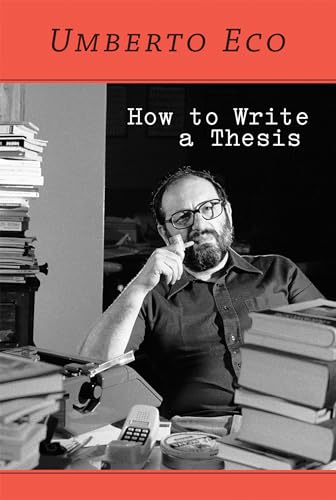
If you’re diving into thesis writing and crave a guide that’s both practical and revitalizing, Umberto Eco’s How to Write a Thesis (MIT Press) is exactly what you need—packed with hands-on strategies and philosophical insights, this compact, cleverly structured book helps students and writers alike tackle research and writing with confidence, while its unique index card system brilliantly organizes information (a lifesaver in today’s data overload). Eco, famous for The Name of the Rose, mixes humor with wisdom, breaking down thesis writing into six clear parts and offering creative freedom plus advice to manage “thesis neurosis.” You’ll appreciate this approachable yet sharp resource!
Best For: students, academic writers, and researchers looking for a practical, humorous, and philosophical guide to mastering the thesis writing process with effective organization techniques.
Pros:
- Offers a unique and effective index card system for organizing research and combating information overload.
- Combines practical writing strategies with insightful philosophical reflections, making the process engaging.
- Breaks thesis writing into six clear, manageable parts with advice to reduce writing anxiety (“thesis neurosis”).
Cons:
- Some readers may find the philosophical and humorous tone unconventional compared to traditional academic manuals.
- Originally published decades ago, some references or examples might feel dated to modern readers.
- The focus on a manual system may seem less aligned with fully digital research management tools preferred today.
The Ninety-Five Theses and Other Writings
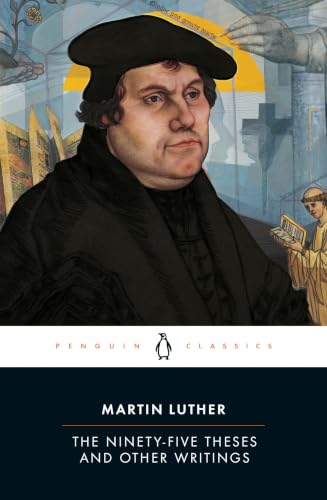
For anyone curious about the lasting impact of Martin Luther’s ideas, *The Ninety-Five Theses and Other Writings* offers an exceptional gateway that’s both extensive and engaging, making it an ideal pick whether you’re a history buff, theology student, or just someone who loves a well-crafted narrative. This fresh translation by William Russell, released for the 500th anniversary of the Reformation, presents Luther’s diverse works—from fiery theses and sermons to personal letters and faith confessions—showcasing his complexity as reformer and pastor. At around 350 pages, it’s practical and accessible, inviting you to explore history while sharpening your own research and writing skills!
Best For: history enthusiasts, theology students, and readers interested in the Reformation and Martin Luther’s multifaceted legacy.
Pros:
- Fresh, 21st-century translation by a leading Luther scholar ensures clarity and accessibility.
- Includes a wide variety of writings, from theses and sermons to personal letters and children’s literature, highlighting Luther’s diverse roles.
- Practical and engaging for both specialists and general readers, enhancing both historical insight and writing skills.
Cons:
- At around 350 pages, might be dense for casual readers seeking a brief overview.
- Some specialized theological content may require background knowledge for full appreciation.
- Focused primarily on Luther’s writings, with limited broader historical context within the volume.
The Clockwork Muse: Practical Guide to Writing Theses and Books
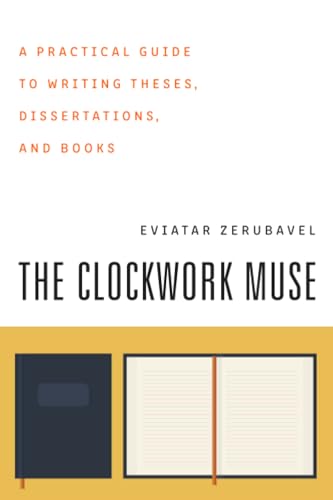
The Clockwork Muse: A Practical Guide to Writing Theses, Dissertations, and Books
- Used Book in Good Condition
Writers grappling with intimidating long-term projects like theses, dissertations, or books will find The Clockwork Muse: Practical Guide to Writing Theses and Books an invaluable companion, especially if you’ve ever felt paralyzed by where to begin or overwhelmed by the magnitude of your task. This 224-page gem from Oxford University Press breaks down writing into manageable sessions with a clear schedule, emphasizing consistent habits over waiting for inspiration. You’ll learn to balance priorities and identify your best writing times, making momentum your new best friend. Ready to stop waiting for the perfect moment and plunge in? This guide will get you there!
Best For: Graduate students, academicians, and aspiring authors who need practical strategies to manage and complete long writing projects without getting overwhelmed.
Pros:
- Provides a structured framework to break down large writing tasks into manageable sessions.
- Emphasizes developing consistent writing habits over relying on sporadic inspiration.
- Offers guidance on balancing priorities and optimizing writing times to maintain momentum.
Cons:
- May be too focused on academic-style writing, potentially less helpful for creative writers.
- The structured schedule approach might feel rigid for those who prefer flexible workflows.
- Some readers might find the 224-page length daunting before seeing quick results.
From Topic to Thesis: A Guide to Theological Research
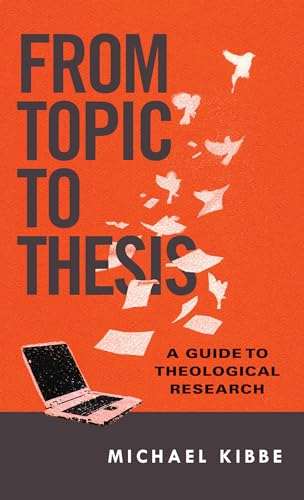
Graduate students studying theology often struggle with research assignments due to a lack of formal training in scholarly methods, making *From Topic to Thesis: A Guide to Theological Research* an essential companion designed precisely to bridge that gap. This 128-page guide from Baker Academic provides a clear, five-step process that helps you move from selecting a topic to crafting a strong thesis with confidence. It carefully walks you through finding direction, gathering sources, understanding key issues, joining scholarly conversations, and forming your position. If you need a practical, affordable resource tailored just for theological research, this guide is a perfect pick!
Best For: Graduate theological students seeking structured guidance to improve their research skills and develop strong academic theses in Bible and theology studies.
Pros:
- Provides a clear, step-by-step process tailored specifically to theological research needs.
- Affordable and accessible resource for students lacking formal research training.
- Helps build confidence in crafting well-supported academic arguments.
Cons:
- Limited to 128 pages, which may be too brief for some complex research topics.
- Focused primarily on theology, so less applicable for broader academic fields.
- May require additional resources for advanced research methodologies beyond the basics.
Writing the Successful Thesis and Dissertation: Entering the Conversation
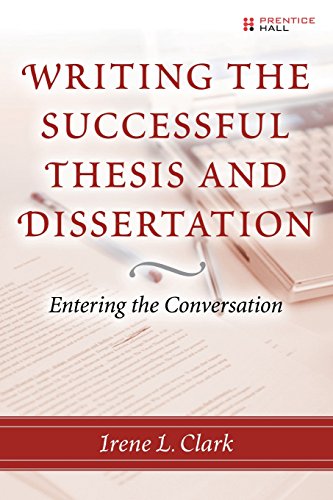
Anyone commencing on the challenging journey of writing a thesis or dissertation will find Dr. Irene Clark’s *Writing the Successful Thesis and Dissertation: Entering the Conversation* (3rd edition, 288 pages, AltaMira Press) an invaluable companion! Clark blends practical advice with a clear explanation of writing as entering academic dialogue, guiding you through proposal crafting, drafting, and revision with real-world strategies to overcome procrastination and tackle writer’s block. Packed with tips on working with advisors, avoiding plagiarism, and shaping compelling arguments, this book equips you to confidently navigate the entire process — turning overwhelming tasks into manageable, meaningful steps. You’ll definitely want this on your shelf!
Best For: Graduate students and early-career researchers seeking comprehensive, practical guidance to successfully write and revise their theses or dissertations while engaging in scholarly conversation.
Pros:
- Provides a clear, step-by-step overview of the entire thesis and dissertation writing process.
- Offers strategies to overcome common challenges such as procrastination and writer’s block.
- Includes practical tips on working with advisors, avoiding plagiarism, and crafting strong academic arguments.
Cons:
- May be less detailed on discipline-specific writing conventions due to its broad applicability.
- Some readers might desire more extensive examples of visual materials like tables and graphs.
- Focuses primarily on traditional theses and dissertations, possibly less relevant for non-traditional formats.
Finished & Free: How to Master the Art of Thesis Writing
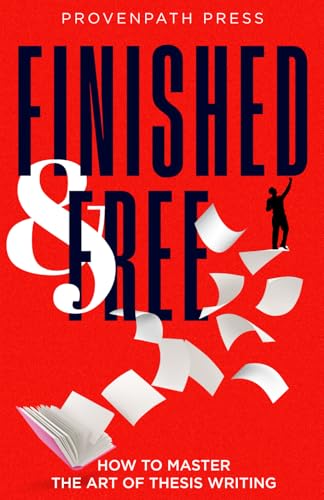
If you’ve ever felt stuck in a cycle of endless editing or overwhelmed by the sheer scope of your thesis, Finished & Free: How to Master the Art of Thesis Writing might be just what you need to regain control and momentum. This 240-page guide introduces the box method—a clever way to break your thesis into manageable chunks—helping you dodge perfectionism paralysis and stress. Published by Academic Press, its clear framework encourages planning, drafting, and revision with confidence, making your writing less intimidating and more creative. (Yes, you really can enjoy thesis work again!) It’s a must-read for regaining focus and finishing strong.
Best For: Graduate students and academic writers struggling with thesis organization, perfectionism, and stress during the writing process.
Pros:
- Introduces the box method, a structured approach that breaks the thesis into manageable parts.
- Provides actionable strategies to reduce anxiety and enhance creativity in writing.
- Offers a clear framework for planning, drafting, and revising to maintain momentum.
Cons:
- May be less helpful for writers who prefer a more fluid or less structured writing process.
- Focuses primarily on thesis writing and might not address other academic writing challenges.
- Some readers might find the 240-page length time-consuming to navigate alongside their thesis work.
Writing Your Dissertation in Fifteen Minutes a Day – Doctoral Thesis Guide

You’ll find Joan Bolker’s Writing Your Dissertation in Fifteen Minutes a Day (published by Owl Books, 256 pages, with a handy softcover format) an invaluable companion when you need practical, doable advice that fits into your busy schedule and gently nudges you forward—especially if you sometimes feel overwhelmed by the sheer size of your project (who doesn’t?). Bolker, co-founder of the Harvard Writing Center, guides you to develop personalized writing routines, including daily fifteen-minute sessions, helping you conquer fear and maintain momentum. Her book not only offers field-tested strategies on choosing topics and advisors but also boosts your emotional resilience throughout the thesis journey.
Best For: Graduate students seeking practical, manageable advice to develop consistent writing habits and emotional support throughout the dissertation process.
Pros:
- Provides personalized strategies including daily fifteen-minute writing sessions to build momentum.
- Offers emotional encouragement to help overcome fears of failure and maintain motivation.
- Covers all dissertation stages, from topic selection to post-dissertation publication and life.
Cons:
- Some readers may find the advice too general and requiring adaptation to specific disciplines.
- Limited in-depth coverage of advanced research methodologies or theoretical frameworks.
- The softcover format and length may not appeal to those looking for a quick reference guide.
The Thesis Writing Survival Guide: Research and Write an Academic Thesis or Dissertation
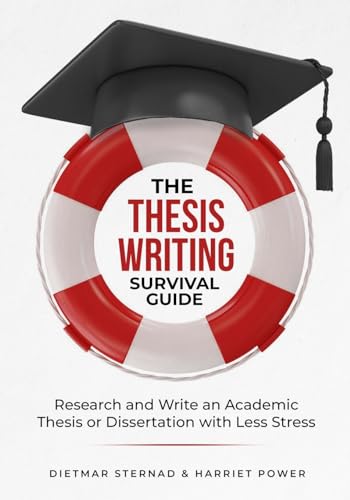
Graduate students maneuvering the maze of thesis writing will find The Thesis Writing Survival Guide: Research and Write an Academic Thesis or Dissertation truly invaluable, especially since it’s tailored with social sciences researchers in mind, though its advice easily crosses disciplinary boundaries. Authored by Dr. Dietmar Sternad and Harriet Power, this 200-page paperback from Routledge walks you through everything from picking the right topic and crafting a proposal to managing stress and building a strong academic voice. Packed with practical tips and endorsed by professors, it transforms thesis writing from an intimidating burden into an achievable—and even enjoyable—journey you can confidently tackle!
Best For: Graduate students, especially in the social sciences, who need comprehensive, practical guidance to manage and complete their thesis or dissertation with less stress.
Pros:
- Covers all key stages of thesis writing, from topic selection to writing and stress management.
- Provides practical, actionable tips endorsed by academics and students alike.
- Written by experienced authors combining academic expertise and professional editing skills.
Cons:
- Primarily focused on social sciences, so some discipline-specific advice may be less applicable for other fields.
- As a paperback, it may not be as easily searchable or portable as a digital guide.
- At 200 pages, some users may find it dense or time-consuming to read fully.
Research Writing QuickStudy Reference Guide
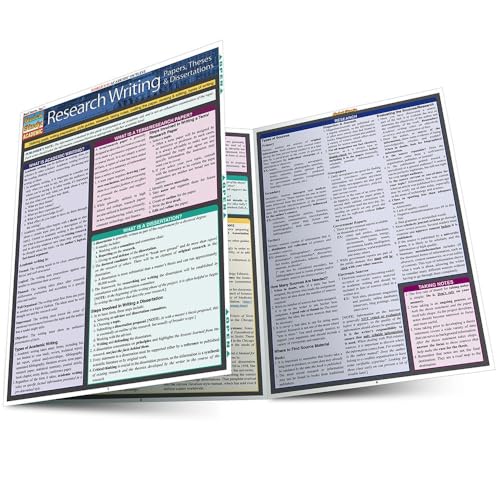
For anyone diving into academic writing, the Research Writing QuickStudy Reference Guide stands out as an incredibly handy companion, especially because it’s designed for all students—whether you’re tackling your first paper or polishing a dissertation. This compact, 3-panel (6-page) guide, crafted by scholars for scholars, walks you through the writing process with clear, step-by-step advice, emphasizing critical thinking and research. You’ll find practical tips that sharpen your skills and boost your academic performance, all wrapped in a user-friendly format that encourages you to engage deeply with complex ideas and confidently express them. It’s a must-have for your writing toolkit!
Best For: Students at all educational levels seeking to improve their academic writing skills and engage deeply with complex research and ideas.
Pros:
- Provides a clear, step-by-step writing process developed by scholars for scholars.
- Includes practical tips and techniques to enhance academic writing and performance.
- Compact and user-friendly 3-panel (6-page) format ideal for quick reference.
Cons:
- May be too general for highly specialized or advanced research writing needs.
- Limited space might restrict in-depth explanation of complex writing strategies.
- Being a reference guide, it requires self-discipline to apply tips effectively without additional instruction.
A Concise Guide to Writing a Thesis or Dissertation
If you’re looking for a friendly yet thorough companion to guide you through the thesis or dissertation maze, *A Concise Guide to Writing a Thesis or Dissertation: Educational Research and Beyond* is a stellar choice that speaks directly to students who want clear, purposeful guidance without drowning in overwhelming jargon. This book breaks down the process into manageable parts, from crafting your introduction to steering through methodology, results, and discussions. Bonus: it includes handy appendices with sample statements, APA tips, and writing rubrics that sharpen your skills. It’s like having a knowledgeable friend who keeps your writing on track!
Best For: Students seeking clear, practical, and jargon-free guidance on writing theses or dissertations in educational research.
Pros:
- Provides a structured framework breaking down thesis writing into manageable steps.
- Includes helpful appendices with sample statements, APA format tips, and writing rubrics.
- Covers all key chapters from introduction to discussion and conclusions with clear explanations.
Cons:
- Some in-book titles may not adhere strictly to APA formatting standards.
- Primarily focused on educational research, which may limit applicability for other fields.
- Requires consulting external APA manuals for precise format details beyond the book’s scope.
Factors to Consider When Choosing Thesis Writing Books

When picking thesis writing books, you’ll want to find ones that match your level and style, like those offering practical writing techniques alongside well-structured research guidance (I’m a big fan of Routledge’s 250-page editions for that). It’s exciting to see books that not only tackle time management strategies but also provide emotional support—because let’s face it, thesis wrangling can feel like an emotional rollercoaster! Keep an eye out for those handy hardcover editions with clear layouts; they make the whole process feel a bit less overwhelming and more manageable.
Target Audience Fit
Although choosing the perfect thesis writing book might seem overwhelming, paying close attention to who exactly will be using it can make all the difference! You’ll want to pinpoint the academic level—whether you’re an undergrad struggling with your first research project or a doctoral student maneuvering complex analysis—since books like *The Craft of Research* (University of Chicago Press, 376 pages) cater to different expertise levels with clear, supportive tones. Next, consider your field; a book focused on social sciences might plunge into qualitative methods, while a natural sciences guide often highlights experimental design. Check if the book matches your current skills and helps fill gaps, especially in research methods or academic writing style. Plus, pick one with a motivating voice (that’s engaging yet practical), so it feels like your own cheerleader during the hardest writing nights!
Practical Writing Techniques
Since practical writing techniques can transform how you tackle your thesis, choosing a book that offers clear, actionable strategies—like structured writing schedules, targeted frameworks, and step-by-step revision tips—is essential to keep you motivated and productive. Look for titles such as “Writing Your Thesis Step-by-Step” by Jane McBride (320 pages, Routledge), which breaks down complex tasks using the box method, helping you defeat writer’s block and procrastination efficiently. I’d recommend a book with guidance on maintaining a consistent writing mindset, encouraging short, regular sessions to build discipline—something this book nails with printed schedules and revision checklists. Plus, physical features like sturdy hardcovers and readable fonts make it a pleasure to use daily. You’ll appreciate how these practical techniques sharpen your focus and turn overwhelming ideas into manageable, achievable goals!
Structured Research Guidance
You’ve mastered practical writing techniques to sharpen your focus, now it’s time to explore books that map out structured research guidance, which will help you navigate the maze from choosing your topic to crafting a strong thesis statement. Look for guides like “Research Design” by Creswell (SAGE Publications, 400 pages), which breaks down the five-step research process—finding direction, gathering sources, and strengthening your argument—in clear, manageable steps. Books offering tools like index card systems or frameworks for organizing info (think “They Say/I Say” by Graff & Birkenstein, W.W. Norton, 256 pages) are invaluable for tackling information overload and sharpening critical thinking. Also, prioritize resources that emphasize a consistent writing routine over bursts of inspiration to keep your momentum steady throughout the demanding thesis journey.
Emotional Support Emphasis
Emotional support plays a huge role in helping you push through the ups and downs of thesis writing, and choosing books that acknowledge this can make a surprising difference in your experience! Look for guides like *Writing Your Thesis Made Simple* (Sage Publications, 280 pages), which gently normalize struggles like anxiety and perfectionism, reminding you that you’re not alone. These books often include practical self-care tips and stress reduction strategies that boost both your mood and creativity, something I can’t recommend enough! They encourage you to engage with topics that spark your curiosity, rather than just tackling academic pressure, making the journey feel less like a grind. Plus, setting realistic daily goals—a technique many emphasize—can ease emotional tension while helping you build a writing rhythm that fits your style perfectly.
Time Management Strategies
While managing your time effectively can feel like a formidable challenge during thesis writing, choosing books that emphasize practical scheduling techniques truly transforms your approach! Look for titles like *Master Your Thesis Time* (published by ScholarPress, 320 pages), which guides you through creating structured schedules that prioritize regular writing sessions over waiting for inspiration. These books usually recommend breaking down tasks into manageable chunks, setting short-term deadlines, and using planners or calendars to track progress—tools that help keep overwhelm at bay and momentum steady. Some even detail the Pomodoro method—a technique involving focused work intervals followed by revitalizing breaks—that reduces writer’s block and boosts productivity. Plus, the best resources balance research, writing, and revision phases thoughtfully, helping you stay organized and stress-free throughout your journey. Trust me, this focus on time management is a game-changer!
Academic Format Coverage
Because nailing the academic format can feel like a puzzle, picking a thesis writing book that thoroughly covers your institution’s specific style—whether APA, MLA, or Chicago—is absolutely essential! You want a guide that breaks down each section of your thesis—introduction, literature review, methodology, and conclusion—with clear examples to follow, like the well-organized chapters in *The Thesis Whisperer*, which runs about 250 pages and includes handy checklists. Make sure it offers solid advice on proposal writing, since that’s your thesis blueprint, plus detailed rules for in-text citations and references that differ across styles. Bonus points go to books with real thesis samples matching your format—being able to see a finished product demystifies expectations and keeps you confident all the way through!
Creativity Encouragement
After you’ve gotten comfortable with nailing the academic format, it’s equally rewarding to find thesis writing books that spark your creativity and help you think outside the usual boundaries. Look for titles like *The Creative Writer’s Toolkit* (Penguin, 320 pages) that encourage free writing and brainstorming—letting you generate ideas without judgment, which feels liberating. Books featuring methods such as the box method or mind mapping, like *Mindful Writing Strategies* (Oxford, 280 pages, flexible paperback), are fantastic because they break the thesis into manageable chunks, easing perfectionist pressure while boosting innovation. The best picks balance structured schedules with creative breaks—and often include diverse prompts, helping you discover fresh angles. Trust me, finding a book that blends organization with playful exploration absolutely transforms your writing process! (Yes, even when deadlines loom.)
Frequently Asked Questions
How Do I Choose the Right Thesis Topic for My Field?
Choosing the right thesis topic is like fishing in a vast sea—you want the perfect catch that excites and fits your field! Start by exploring current debates (try “They Say / I Say,” W.W. Norton, 320 pages, softcover, known for clear examples), then narrow to what sparks your curiosity and fills a knowledge gap. Consult mentors, skim recent journals, and stay realistic about resources. You’ll find a topic that’s both meaningful and manageable!
What Are Common Pitfalls to Avoid in Thesis Writing?
You’ll want to avoid procrastination and unclear thesis statements, which can make your work feel scattered and rushed. Don’t ignore outlining—books like *They Say / I Say* (W.W. Norton, 288 pages, softcover) show how structure clarifies arguments beautifully. Also, steer clear of source overreliance without critical analysis. Missing deadlines by underestimating time is a classic trap, so plan ahead—trust me, staying organized from the start saves so much stress!
How Can I Manage Time Effectively During Thesis Research?
Did you know that over 40% of students miss thesis deadlines due to poor time management? You can beat that by breaking your research into daily goals, using tools like Trello to track progress, and setting strict, distraction-free writing blocks. I highly recommend “Deep Work” by Cal Newport (Grand Central Publishing, 304 pages, with sturdy paper and clear layouts) to help you sharpen focus and stay on schedule—trust me, it’s a game-changer!
What Software Tools Assist in Organizing Thesis References?
You’ll love using Zotero—it’s free, easy, and organizes your references with folders and tags, plus it integrates with Word for smooth citation insertion! Mendeley, another standout, offers PDF annotation and cloud syncing, ideal for collaborative work. EndNote feels a bit pricier but excels in managing large reference libraries with customizable styles. Getting comfortable with these tools (I recommend starting with Zotero, honestly) saves tons of time and keeps your research tidy!
How Do I Handle Feedback and Revisions From My Advisor?
Imagine Sarah, whose advisor’s notes transformed her draft from good to outstanding by insisting on clearer arguments—she embraced feedback by organizing comments in a notebook, prioritizing them, and revising step-by-step. You’ll find keeping a positive mindset, asking for clarifications, and treating critiques as growth opportunities (not setbacks) essential. It’s tough but rewarding! Remember, your advisor’s insights sharpen your work immensely, so welcome revisions enthusiastically—they’re your secret weapon!