As an Amazon Associate, we earn from qualifying purchases. Some links on this site are affiliate links at no extra cost to you. Our recommendations are based on thorough research and editorial judgment.

What Are Illustrated Editions and Why They Cost More

Illustrated editions, like Jim Kay’s lush Harry Potter series or DK’s detailed *Anthropology Book*, blend enthralling artwork with thick, glossy pages and sturdy hardcovers, creating truly immersive stories that elevate any collection. The labor-intensive process, involving meticulous research and mixed media techniques, plus limited print runs, boosts their exclusive charm and higher price. These editions transform reading into a vibrant visual journey, and there’s much more to uncover about their unique craftsmanship and appeal!
Key Takeaways
- Illustrated editions combine detailed artwork with text, enriching storytelling and reader engagement through visual elements.
- They use high-quality materials like thick, glossy pages and hardcover bindings to enhance durability and presentation.
- The artistic process involves extensive research, planning, and mixed media techniques, increasing production time and costs.
- Limited print runs and the involvement of renowned artists make illustrated editions rarer and more collectible.
- Elevated production costs reflect the craftsmanship, premium materials, and immersive reading experience they provide.
Definition and Characteristics of Illustrated Editions
Illustrated editions are a delightful blend of literature and visual art, offering readers immersive storytelling journeys enhanced by exquisite imagery. An illustrated edition typically includes full-page illustrations and smaller sketches throughout, making each chapter feel lively and visually rich. Often printed on thicker, glossy pages within a larger hardcover format, these books resemble lavish art coffee-table volumes, which partly explains their higher cost. A standout example is Jim Kay’s work for the illustrated Harry Potter series, where his unique artistic interpretation brings J.K. Rowling’s world vividly to life. These editions preserve the original text while introducing original artwork, creating an engaging, collectible experience unlike standard paperbacks or hardcovers. Publishers carefully choose artists like Kay to add artistic value, turning these books into treasured keepsakes for fans and collectors alike! In the world of chess literature, similar principles apply as books with clear diagrams significantly enhance the learning and visual appreciation experience.
Recommended Products


PRE-ORDER Harry Potter and the Chamber of Secrets: Illustrated Edition Hardcover
Artistic Process Behind the Illustrations
Although the creative journey begins with thorough research to capture characters and settings authentically, the artistic process behind these editions is anything but simple or quick. Illustrated books, like Jim Kay’s enchanting Harry Potter series, emerge from a rich artistic process involving detailed planning, inspired not only by the text itself but also by the author’s vision, ensuring a seamless visual narrative. This process showcases a vibrant mix of watercolor, ink, and digital techniques, resulting in immersive images that truly bring stories to life. Significantly, collaboration between illustrators and publishers shapes each page, balancing artistic freedom with narrative fidelity. This careful teamwork crafts illustrated editions that feel special—each detail infused with passion and precision! Many acclaimed animation art books also emphasize creator commentary and behind-the-scenes insights, underlining the essential value of collaborative creativity in visual storytelling.
Quality and Materials Used in Illustrated Books
While exceptional illustrations serve as the heart of these editions, the quality of materials—such as thick, glossy pages that vividly enhance every brushstroke and offer impressive durability—truly elevates the experience, making books like Bloomsbury’s Harry Potter illustrated editions feel like treasured art pieces rather than just ordinary reads. Illustrated editions are often produced in larger formats, using premium printing techniques that boost production quality and guarantee vivid color accuracy. Hardcover bindings, ribbon bookmarks, and intricate cover designs add layers of luxury, making these books delightful to hold and display. All these carefully chosen materials and meticulous production efforts contribute directly to the higher price point, reflecting a commitment to craftsmanship and a desire to create more than just books—they craft keepsakes readers are enthusiastic to showcase! Additionally, the use of larger dimensions in illustrated editions enhances their visual impact and detail, further justifying the investment.
Recommended Products

An interactive illustrated edition of Harry Potter and the Goblet of Fire, featuring stunning new artwork and immersive design elementsBrings the fourth book in J.K. Rowling's beloved series to life in a visually spectacular new formatA perfect gift for Harry Potter fans of all ages who want to experience the magic in a whole new way

We search for any book you like In Chinese, Russian and Spanish Service for Businesses, Individuals, Governments, Universities Any medium you choose, that is available Read, Learn, Research and Enjoy

Impact of Illustrations on Reading Experience
Because artwork in these editions does more than simply decorate the pages, it profoundly shapes how readers connect with the story, transforming each chapter into a vivid journey enriched by multiple full-page illustrations and delicate sketches. Illustrated editions like the Harry Potter Illustrated series, brilliantly brought to life by artist Jim Kay, offer a reading experience that goes beyond words, engaging the imagination through meticulously researched, lavishly detailed visuals that reveal nuances not seen in standard formats. This blend of art and text invites readers—especially younger ones—to dive deeper, making reading aloud a truly enthralling event. Such editions feature thick, glossy pages and elegant hardcovers, elevating both the physical presence and immersive enjoyment, which explains why they remain treasured keepsakes and command higher prices. Books like DK’s *The Anthropology Book* demonstrate how glossy visuals and clear summaries can enhance comprehension and reader engagement in illustrated works.
Market Factors Influencing the Cost of Illustrated Editions
The enchanting visual experience provided by illustrated editions naturally leads to questions about what drives their often steep price tags. Key market factors include elevated production costs, as these editions typically feature thick, glossy pages designed to showcase vibrant artwork, which publishers like Bloomsbury and Scholastic invest considerable resources in producing. Renowned artists, such as Jim Kay, bring prestige and demand that directly influence pricing. Limited print runs also create a sense of scarcity, fueling collector interest and prompting higher costs due to rarity. Additionally, the labor-intensive research and planning behind each illustration—combined with large-format hardcover presentations—enhance both aesthetic appeal and durability, ultimately contributing to a richer, more costly physical edition that truly shines on the shelf. Understanding such factors can improve visual storytelling skills, making it easier to appreciate the value of illustrated works.
Recommended Products
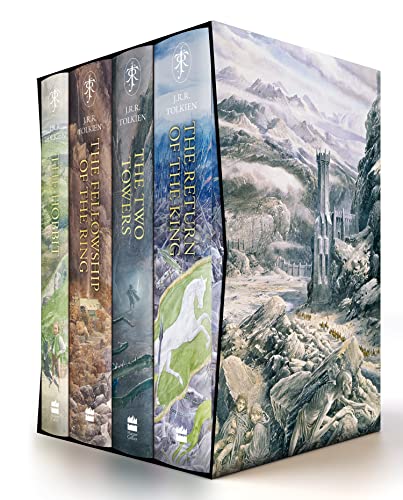
The Hobbit & The Lord of the Rings Boxed Set Illustrated edition


Collectibility and Value for Readers and Fans
Though often commanding a higher price than standard editions, illustrated books from publishers like Bloomsbury and Scholastic quickly become treasured possessions thanks to their thick, glossy pages filled with elaborate artwork—such as Jim Kay’s mesmerizing Harry Potter series illustrations—that not only breathe new life into familiar stories but also elevate the reading experience to a visual feast. The collectibility of illustrated editions stems from their unique artistic touches and limited print runs, which often make them rarer over time and highly sought after by fans and gift-givers alike. This rarity, combined with meticulous production quality, greatly boosts their value, turning these editions into prized collectibles that offer not just aesthetic pleasure but also enduring worth beyond the initial purchase price. Additionally, many readers appreciate formats that offer enhanced accessibility such as audiobooks or guided versions, which can complement the visual engagement of illustrated editions.
Recommended Products


Height: 13.75in / 35cm, Depth: 2in / 5cm, Width: 10.25in / 26cm

Frequently Asked Questions
What Does an Illustrated Edition Mean?
An illustrated edition transforms a book into a visual feast, blending artistic expression with text to amplify reader engagement. This meticulous publishing process weaves imagery throughout, elevating storytelling into an immersive, almost magical experience.
Are the Harry Potter Illustrated Editions Worth It?
The Harry Potter illustrated editions offer a rich illustrated experience, balancing nostalgic charm with collector’s value. Many find them worthwhile for enhancing storytelling and preserving beloved memories, despite their premium price and limited release of volumes.
Why Did They Stop Illustrating Harry Potter?
The cessation of Harry Potter illustrations results from the complexity of illustration techniques and maintaining artistic interpretation quality. Additionally, strategic book marketing priorities and shifting publisher focus contribute to the current pause in producing further illustrated editions.
What Is the Difference Between a Picture Book and an Illustrated Book?
Picture book characteristics include heavy reliance on images with minimal text, targeting young children. Illustrated book features combine balanced narrative and art, engaging older audiences through complex themes, enhancing audience engagement beyond simple visual storytelling.