As an Amazon Associate, we earn from qualifying purchases. Some links on this site are affiliate links at no extra cost to you. Our recommendations are based on thorough research and editorial judgment.

What Are Zines and Why They Matter in Publishing

Zines are small, often handmade booklets—usually 20 to 40 pages printed on sturdy cardstock—that mix personal stories, striking art, and grassroots politics, making them perfect for unheard voices and creative risk-takers alike! Born from underground and punk scenes, they reject mainstream media’s constraints, offering intimate, authentic experiences that build diverse communities and challenge norms. Whether copied at home or crafted digitally, zines ignite passion and foster belonging—keep exploring to uncover their rich history and impact!
Key Takeaways
- Zines are small, self-published booklets blending personal storytelling, art, and political discourse for intimate, creative expression.
- They originated from amateur press movements and punk culture, evolving as vital underground media channels.
- Zines amplify marginalized voices, including LGBTQ+ communities and people of color, offering authentic perspectives outside mainstream media.
- They build creative communities through events, fostering belonging and grassroots cultural engagement.
- Creating zines encourages DIY publishing, enabling personal stories and niche interests to reach engaged, diverse audiences.
Defining Zines and Their Purpose
While often overlooked by mainstream audiences, zines—those charmingly do-it-yourself booklets typically limited to 1,000 copies or fewer—offer a thrilling window into niche topics and personal storytelling, blending political discourse, art, and subcultures into compact, handmade packages that burst with creativity. These self-published booklets, often rooted in punk ethos, serve as essential outlets for marginalized voices and grassroots communication, allowing individuals or small collectives to bypass traditional publishing gatekeepers. Zines vary widely—from 20-page artful explorations to raw personal narratives—and their tactile, imperfect nature adds to their appeal (spoiler: it’s part of the charm!). Distributed through local shops, fairs, and online, zines maintain an intimate connection with readers, fostering communities united by shared values, aesthetics, and the DIY spirit that makes every issue a unique treasure worth discovering. Much like animation art books that offer behind-the-scenes insights into creative processes, zines provide a similarly intimate exploration of artistic expression through their unique creative perspectives.
Recommended Products

Spark Young Imaginations with Premium Blank Books: Cultivate creativity with these durable hardcover sketchbooks featuring 48 blank pages (7" x 10"). Ideal for young authors to craft stories, artists to sketch masterpieces, or students to journal daily adventures.

Spark Young Imaginations with Premium Blank Books: Cultivate creativity with these durable hardcover sketchbooks featuring 48 blank pages (6" x 8"). Ideal for young authors to craft stories, artists to sketch masterpieces, or students to journal daily adventures.

Spark Young Imaginations with Premium Blank Books: Cultivate creativity with these durable hardcover sketchbooks featuring 48 blank pages (5" x 5"). Ideal for young authors to craft stories, artists to sketch masterpieces, or students to journal daily adventures.
Historical Roots and Evolution of Zines
Although often seen as a modern DIY phenomenon, zines actually trace their roots back to the amateur press movement of the late 19th century, where enthusiasts self-published small, printed booklets that laid the groundwork for zine culture as known today. By the 1930s, sci-fi fanzines like “The Comet” sparked a distinct self-publishing wave, thrilling zine creators keen to share niche passions. The punk zine explosion of the 1960s and 70s electrified underground scenes, channeling raw energy and rebellious spirit. Then came the 1990s’ riot grrrl wave, where feminist zines boldly tackled topics like body image and violence, echoing intersectional feminism’s call for inclusivity and social justice. These dynamic evolutions illustrate zines’ enduring power as vibrant, hands-on cultural artifacts—truly exciting for any fan of grassroots publishing! The resurgence of physical media with high production values in genres like space opera shows a contemporary parallel to the enduring appeal of tangible, crafted works.
Recommended Products


WONVOC BONE FOLDERS KIT: a versatile collection of bone folders for all your paper crafts and bookbinding needs. This comprehensive set includes 4 pieces of bone folders, in 2 different shapes and sizes

Self-Adhesive rhinestones for crafts: These bling jewel stickers are made of acrylic, shiny and sparkly, You can easily take off the bling rhinestones sticker and stick on craft and activity, will not leave marks when peeling off
Zines as Platforms for Marginalized Voices
Zines embody a uniquely powerful platform for marginalized voices, offering creators an intimate, often hand-crafted space to share their raw, authentic experiences—think of the riot grrrl movement’s embrace of this medium to confront feminism and sexuality head-on, using photocopied pages and bold illustrations that practically shout with urgency! Rooted in punk rock and feminist punk culture, zines challenge mainstream narratives by amplifying underrepresented perspectives, including LGBTQ+ voices and people of color. They serve as grassroots tools where social theory meets personal expression, enabling critiques of societal norms and advocacy for justice. Circulating in limited numbers, these hand-made publications not only preserve cultural identities but also create a vivid archive of activist energy, proving that zines are as much political instruments as creative outlets! Additionally, zines can be tailored to support neurodivergent voices, providing sensory-friendly formats that foster inclusion and understanding.
Recommended Products

Size:20x10mm.for detail size information, please refer to pics.Those pictures are just for reference only, please check the above detailed measurement to choose the correct size, and allow 1-2mm differences due to manual measurement, thanks. Item color displayed in photos may be showing slightly different on your computer monitor since monitors are not calibrated same.

Size:14x7mm.For detail size information, please refer to pics.Those pictures are just for reference only, please check the above detailed measurement to choose the correct size, and allow 1-2mm differences due to manual measurement, thanks. Item color displayed in photos may be showing slightly different on your computer monitor since monitors are not calibrated same.Small items,please keep it away from three-year-old children,avoid child swallowing

Package including: 50Pcs 100% Brand New And High Quality Spacer Beads
The Role of Zines in Community Building
How exactly do these handcrafted publications spark community spirit and lasting connections? Zines ignite community engagement by serving as vibrant platforms where creators gather—often at zine fairs or collaborative workshops—to share work and ideas, fueling grassroots communication beyond conventional boundaries. Reflecting diverse subcultures such as punk or feminist groups, zines document unique identities, fostering a strong sense of belonging among readers and contributors alike. This dynamic exchange supports a lively ecosystem of creativity and activism, promoting independent publishing as a powerful alternative to mainstream media. By embracing DIY methods, zines enable local and global voices to resonate authentically, nurturing connections that transcend geography. It’s no exaggeration to say that zines are the unsung heroes of community building, inspiring collaboration and inclusive dialogue in ways few other mediums can! Their role parallels the importance of social infrastructure in fostering strong community ties and collective resilience.
Recommended Products

Quantity: 11 pieces (6 x large-eye needles for bookbinding, 1 x wood handle awl, 1 x waxed thread, 2 x bone folder paper creaser, 1 x needle bottle).

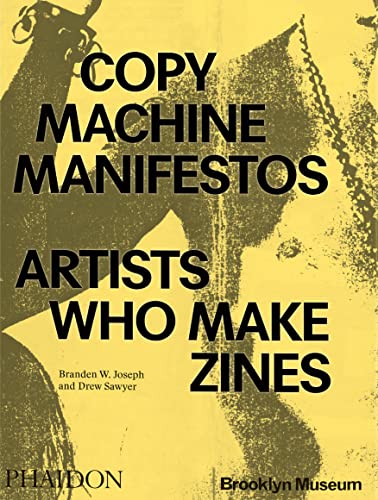
Creating and Sharing Your Own Zine
Beginning the journey of creating your own zine offers a unique opportunity to share personal stories, bold ideas, or niche passions with a tangible, handcrafted charm that mainstream magazines often lack. Whether exploring rock music’s raw energy or crafting essays for science fiction fans, a zine provides an intimate showcase beyond the control of large publishing houses. Creating a zine can be as simple as photocopying handwritten pages or using InDesign for sleek layouts, with physical copies often spanning 20-40 pages on quality cardstock. Sharing can be local—at zine fairs, indie bookstores, or community workshops—or global via platforms like Etsy or Zineswap. This DIY spirit not only sparks creativity but also fosters strong, authentic communities that celebrate unique, often overlooked perspectives! Incorporating creative projects into your zine-making process can further engage your audience and enhance the hands-on experience.
Recommended Products
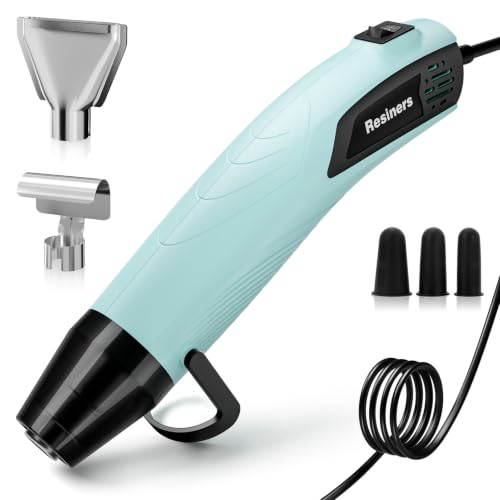
Fast Heating with Dual Temperature Control: Experience quick and efficient heating with the 350W Resiners heat gun. Choose between 482°F (250°C) and 662°F (350°C) to remove resin bubbles, create ocean waves, emboss, shrink wrap and complete DIY projects with precision.
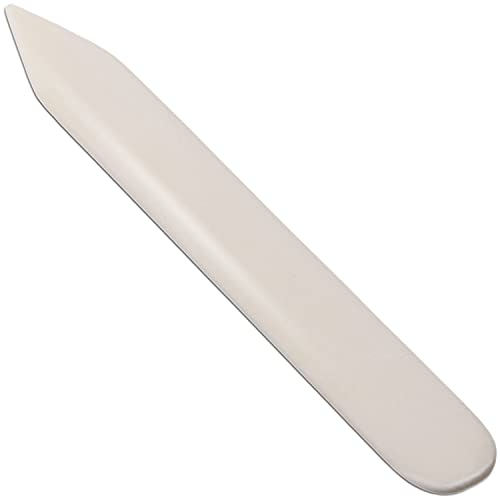
Genuine Bone Construction: Real bone folder made from 100% cattle bone for bookbinding, leather and paper crafts with dimensions of approximately 6 inches x 0.8 inches x 0.2 inches

【Colorful Cardstock】:Our construction paper assorted colors 50 Sheets contains 50 beautiful and popular colors to meet your handmade needs. You'll get 1 sheets of each color, including:Pink, Light Yellow, Bright Red, Light Green, Light Blue, Lavender, Golden, Lake Blue, Light Olive, Light Gray, Black, Crimson, Wine Red, Forest Green, Royal Blue, Lemon Yellow, Parrot Green, Hot Pink, White, Fluorescent Green, Fluorescent Yellow, Hot Pink, Silver Gray, Wine Red, Scarlet, Fluorescent Orange, Lilac, Orange, Light Green, Fluorescent Vermilion, Lake Blue, and so on.
Frequently Asked Questions
Why Are Zines so Important?
Zines are important because they provide an alternative voice through DIY distribution, enabling creative expression and fostering community engagement. This grassroots approach challenges mainstream narratives, amplifies marginalized perspectives, and nurtures independent cultural dialogue.
What Is a Zine in Publishing?
A zine in publishing is a self-produced, small-circulation work that embodies zine definitions emphasizing creative expression and community engagement. It thrives within DIY culture, allowing creators to share unique perspectives beyond mainstream media constraints.
What Are the Benefits of Zines?
Zines bloom like wildflowers, offering creative expression and accessible publishing pathways. They build vibrant bridges of community and amplify diverse voices, cultivating a rich garden where unconventional ideas flourish beyond mainstream constraints, fostering inclusion and grassroots connection.
What Is Behind the Zines Self-Publishing Culture?
The zines self-publishing culture is driven by a DIY ethos that champions creative freedom, enabling creators to craft alternative narratives while fostering community engagement. This approach resists mainstream constraints, empowering voices often overlooked.