As an Amazon Associate, we earn from qualifying purchases. Some links on this site are affiliate links at no extra cost to you. Our recommendations are based on thorough research and editorial judgment.

What Are Book Proofs and Why Do Collectors Want Them?

Book proofs, often limited runs of 200 to 500 copies, showcase uncorrected text, alternative covers, and publisher notes, offering collectors a rare, behind-the-scenes glimpse into a book’s creation before final edits. These fascinating editions—like advance reading copies or uncorrected proofs—capture errors and evolutions that appeal to passionate collectors and investors alike! With unique printing quirks and limited availability, proofs hold collectible charm and historical value that only deepens as authors gain fame. Curious to discover what makes proofs truly special?
Key Takeaways
- Book proofs are early, limited print editions that show a book’s development before final publication.
- Collectors value proofs for their rarity, typically produced in runs of only 200 to 500 copies.
- They reveal typographical errors, alternative texts, and design differences not found in final editions.
- Proofs provide unique insights into the author’s creative and editorial process.
- Their scarcity and historical significance make proofs sought-after collectible and investment items.
Understanding Book Proofs and Their Role in Publishing
Book proofs, often overlooked treasures in the publishing world, serve as crucial stepping stones before a book reaches its final audience; typically produced in limited print runs of 200 to 500 copies, these early editions—such as uncorrected proofs and advance reading copies (ARCs)—offer a fascinating glimpse into a book’s development, complete with textual variations and occasional typographical quirks that readers and collectors alike find irresistible. Collecting proofs reveals insights into the editing process and the evolution of an author’s work, often preceding the polished first editions by months and sometimes highlighting significant changes. Though proofs generally exhibit less refined production quality, their scarcity and connection to early creative stages have sparked increasing interest, boosting their monetary values as collectors recognize their unique historical significance and rarity. Similar to how curated collections of abandoned places are valued for their insights and rarity, book proofs offer collectors a tangible connection to the development of literary works.
Different Types of Pre-First Edition Book Copies
Several fascinating types of pre-first edition copies exist, each revealing unique stages in a book’s journey toward publication. Manuscripts, often handwritten and one-of-a-kind, showcase the author’s original vision and remain prized by collectors. Galleys, used by editors and authors to refine text, offer early glimpses with unpolished layouts. Uncorrected proofs (UPs) take this further, closely resembling the final product but with inevitable errors, while advance reading copies (ARCs) often sport different cover art and are crafted to create buzz among advance readers. Proof copies—including dummy editions, which mimic finished books but contain limited text—offer a deeper peek behind publishing’s curtain. Collecting these pre-first edition items feels like holding literary history in progress, each stage a tangible step toward the beloved final edition, an absolute thrill for book enthusiasts! This process of discovery and engagement can be enhanced with tools like scratch-off posters that visually track and celebrate the reading journey through classic and modern titles.
Recommended Products


Historical Significance of Book Proofs in Collecting
Collectors’ fascination with uncorrected proofs and other pre-first edition copies extends beyond mere novelty, as these items offer a compelling window into literary history, revealing nuances often lost in the final printed versions. Book proofs, especially uncorrected proofs, showcase the evolution of an author’s work before final touches from editing, printing, and publication are applied. While first editions often steal the spotlight for their market value, collectors appreciate uncorrected proofs for their rarity and insider look at the creative process. With print runs typically limited to a few hundred copies—like Robert Stone’s “A Hall of Mirrors,” with only 57—these proofs possess a distinct allure. What was once considered “common” is now prized as a tangible glimpse into a book’s origin—truly fascinating for any devoted collector! This appreciation parallels how rare editions and limited prints enhance the desirability and uniqueness of collectible items.
How Book Proofs Differ From Final Published Editions
Although often overlooked in favor of sleek, polished editions, uncorrected proofs and advance reading copies reveal intriguing differences in content, layout, and design that highlight a book’s transformation before hitting shelves. Book proofs frequently contain typographical errors, alternate text versions, and unfinished design elements, capturing the developmental process in a way final published editions simply do not. Unlike the extensively edited, pristine final editions, these proofs may show publisher notes or corrections, lending authenticity that collectors find irresistible. Their scarcity—thanks to smaller print runs—increases their collectible value substantially. Holding a proof feels like holding a snapshot of a book mid-creation, offering a rare glimpse into its evolution, making these advance reading copies true treasures for any passionate book lover enthusiastic to explore literary history firsthand! Additionally, collectors often appreciate the authenticity and unique features that distinguish proofs from final editions, enhancing their desirability and value.
Typical Print Runs and Rarity of Book Proofs
A typical run of book proofs usually ranges between 200 and 500 copies, a number carefully chosen by publishers to maintain a sense of exclusivity while sparking excitement among devoted readers and collectors alike! This modest print run guarantees the scarcity of book proofs, which greatly enhances their collectible value, as many copies vanish soon after publication. Some proofs appear as extremely limited editions—like Robert Stone’s “A Hall of Mirrors,” with just 57 copies—highlighting rarity’s allure. Collectors prize uncorrected proofs as earlier versions that reveal an author’s evolving work, increasing demand despite modern printing allowing larger runs. Publishers consciously keep quantities low to protect collectible status, guaranteeing that book proofs remain coveted treasures rather than oversaturated commodities in the marketplace! Additionally, the high-quality hardcovers featured in these special editions add to their desirability and long-term preservation value.
Reasons Collectors Value Uncorrected Proofs and Advance Copies
Three key reasons often make uncorrected proofs and advance reading copies (ARCs) irresistibly appealing to book enthusiasts: their limited print runs—usually between 200 and 500 copies—ensure rarity; their textual differences from final editions offer fascinating glimpses into an author’s creative journey; and their sometimes unique cover art or physical features distinguish them as special, early glimpses that precede widely circulated releases. Collectors value these proofs not only for their scarcity but also for the insight they provide into the author’s creative process and the evolution of the work. This combination of historical context and uniqueness often boosts their monetary values over time, making uncorrected proofs and ARCs prized, both as collectible treasures and savvy investments. Additionally, just as journals with heavyweight paper cater to durability and versatility for creative work, book proofs’ unique formats and materials enhance their collectible appeal.
Recommended Products
![Metropolitan Life [Rare Uncorrected Proof]](https://m.media-amazon.com/images/I/01RmK+J4pJL._SL500_.gif)

Common Features and Signs to Look For in Book Proofs
Book proofs often captivate collectors by displaying tangible clues to their pre-publication origins, such as minimalist covers—sometimes plain card stock or simple text-only designs—and subtle markings like handwritten corrections or margin notes that reveal editorial decisions in progress. These advance copies typically feature fewer copies than the first or final edition, often limited to just a few hundred, increasing their rarity and appeal. Collectors enthusiastically hunt for inconsistencies in printing quality or color variations, as these flaws highlight the proofs’ status before mass printing. Unique features like unfinished artwork and draft layouts provide an inside look at the book’s evolution, making proofs treasured artifacts. Whether a proof is an uncorrected advance or a near-final version, each copy tells a distinct story cherished by dedicated collectors everywhere! This fascination with developmental stages mirrors how urban planners value early design sketches to understand the evolution of thoughtful city spaces.
Market Trends and the Investment Potential of Proofs
Collectors and investors alike have witnessed an exciting surge in demand for uncorrected proofs (UPs) and advance reading copies (ARCs) since the 1980s, driven by their rarity—usually limited to just 200 to 500 copies—and their potential for extraordinary value appreciation over time. Proof copies attract collector appeal not only because of their scarcity but also due to unique textual differences from final editions, offering a fascinating glimpse into an author’s process. Market trends reveal initial prices often ranging from $25 to $75, yet after an author gains recognition, these uncorrected proofs can appreciate in value remarkably, sometimes exceeding $100. The strong investment potential combined with the thrill of owning a rare literary artifact explains why UPs and ARCs remain a favorite among bibliophiles keen to secure tangible pieces of literary history! This keen interest parallels the way timeless wisdom from Stoicism books continues to hold enduring value for readers seeking practical and philosophical insights.
Recommended Products


Tips for Preserving and Displaying Book Proofs
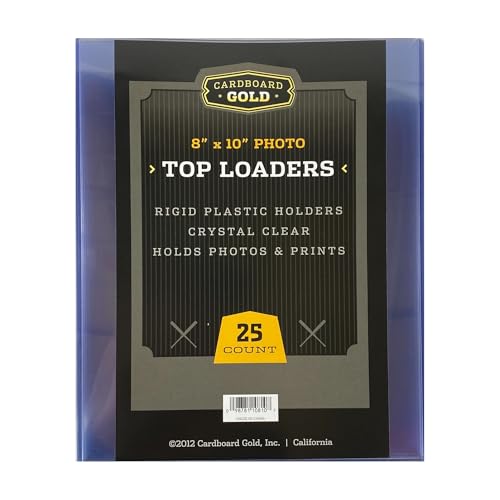
Although preserving delicate uncorrected proofs can sometimes feel like a delicate balancing act, maintaining them in a climate-controlled environment—where temperature and humidity remain steady—proves essential for preventing warping and paper degradation; enthusiasts should enthusiastically invest in archival-quality, acid-free sleeves and boxes to shield these rare literary gems from dust and the harsh rays of sunlight, which fade both ink and covers alike! When collecting uncorrected proofs, avoid adhesive materials that damage fragile pages, opting for bookmarks or clips instead. For displaying proofs, especially those with dust jackets, UV-filtering glass frames provide a smart solution, minimizing harmful light exposure while honoring the book’s vintage vibe. Whether for advance reading or proof copy display, meticulous care helps preserve these unique artifacts that represent the fascinating world of early literary history—and yes, they truly deserve the best! Additionally, incorporating practical daily exercises that build calm and resilience can enhance the collector’s mindful engagement with their treasured proofs.
Recommended Products

Archival Storage Solution: This artist portfolio offers an archival storage solution with 20 crystal clear sleeves and acid-free divider sheets, ensuring your valuable artwork remains pristine and well-organized

Archival Quality Material – Made from high-density polyethylene (HDPE) plastic that is acid-free and safe for long-term vinyl record storage.
Frequently Asked Questions
Are Proof Copies of Books Worth Anything?
Proof copies hold value influenced by collector interest, rarity factor, and edition differences. Market trends and pricing guides reflect fluctuating proof value. Preservation tips enhance investment potential, making them sought-after items despite limited circulation.
Why Do Books Have 10 9 8 7 6 5 4 3 2 1?
The descending sequence 10 9 8 7 6 5 4 3 2 1 symbolizes a book’s lifecycle, signaling print run importance and first edition rarity. It aids edition identification techniques, reflecting manuscript variations and publication history insights valued by bibliophiles and collector preferences.
What Are Book Proofs?
Book proofs are limited editions produced during the publishing process, valued in the collector market for their rarity factors, printing history, and potential author signatures. They greatly influence book valuation and offer unique insights into a work’s development.
How Many Books Are Considered Hoarding?
Stacks mounting, shelves overflowing, rooms cluttered—book hoarding often begins beyond 150 to 200 volumes. Psychological factors, personal attachments, and space constraints challenge organization. Book collecting requires setting collecting limits, using library resources, and addressing hoarding tendencies responsibly.