As an Amazon Associate, we earn from qualifying purchases. Some links on this site are affiliate links at no extra cost to you. Our recommendations are based on thorough research and editorial judgment.

A Guide to Historical Fiction Time Periods

Historical fiction spans engaging periods like the prehistoric era’s survival tales, the grandeur of classical antiquity with its epic battles and political intrigue, and the gritty upheavals of the Industrial Revolution marked by factories and social change. These stories combine vivid settings, authentic dialogue, and well-researched characters to bring history alive in page-turners. From early hunters to Napoleonic campaigns, this genre offers immersive journeys that connect personal struggles to broader historical moments—there’s so much fascinating ground to explore next!
Key Takeaways
- Historical fiction is set at least fifty years before the present, blending real events and characters with imaginative narratives for depth.
- Authenticity is achieved through meticulous research on culture, customs, language, and social norms of specific historical eras.
- Key time periods include Prehistory, Classical Antiquity, and the Industrial Revolution, each offering distinct themes and settings.
- Vivid sensory details and period-specific dialogue immerse readers in accurate, relatable historical environments.
- Successful stories balance well-researched settings with character-driven plots reflecting era-specific values and conflicts.
Defining Historical Fiction and Its Appeal
Although historical fiction is often mistaken for mere storytelling set in the past, it is actually a fascinating genre that skillfully intertwines imaginative narratives with meticulously researched settings, typically anchored at least fifty years before the present day. This historical fiction genre uniquely appeals to readers intrigued by historical time, offering vivid reconstructions of eras through authentic speech, clothing, and customs. What truly captivates is how authors blend real historical figures and events with fictional characters, crafting narratives that respect period accuracy and social contexts. Thorough research is essential here—accurate dialogue and era-appropriate motivations enhance believability and immersion. Fans of engaging stories with a firm grasp on history will find this genre rewarding, as it opens windows to the past while delivering compelling, well-rounded tales—definitely worth exploring! Illustrated books, such as those featuring timelines and visual elements, provide valuable context that can enrich the understanding of historical settings in fiction.
Key Elements That Shape Historical Fiction
Understanding what truly shapes historical fiction involves recognizing several key elements that work together to recreate the past with authenticity and flair. A historically accurate approach demands intense research of time periods’ culture, customs, and significant events, ensuring that settings and societal norms feel believable and immersive. Effective historical fiction blends real people and events with fictional plots, striking a delicate balance that entertains while preserving historical integrity. Characters must act within the constraints of their era’s values, motivating readers through relatable conflicts grounded in history. Vivid descriptive passages, rich with sensory details, transport readers fluently into bygone eras, making these narratives not just stories but educational journeys as well. These elements, artfully combined, truly bring historical fiction to life and heighten its unique charm! Incorporating interactive digital supplements can further enhance a reader’s engagement by providing deeper insights and visual context.
Characteristics That Define Historical Fiction Narratives
A defining hallmark of historical fiction narratives lies in their painstaking attention to authentic settings, which must convincingly mirror the era’s architecture, fashion, and social atmosphere to fully immerse readers; this careful crafting transforms a story from mere entertainment into a palpable window to the past, much like the richly detailed 400-page hardcover from the acclaimed publisher Bristle & Quill, whose vivid descriptions transport readers to Renaissance Italy with such clarity and nuance that you can almost hear the bustling marketplaces and smell the fresh bread (a sensory feast that never gets old!). Characters behave realistically within their time period, reflecting societal norms and motivations rooted in history. Plots often integrate real events seamlessly, balancing fictional elements with factual precision, while dialogue echoes the language and speech of the era, grounding the narrative in genuine historical experience. Readers interested in deepening their understanding of such authentic depictions often find value in character-driven narratives, which highlight the moral dimensions and personal struggles of historical figures.
The Role of Setting in Historical Fiction Storytelling
When historical fiction immerses readers in meticulously recreated settings—down to the thread count of a Renaissance merchant’s doublet or the muddy streets of Victorian London—it’s not just window dressing but the essential scaffold supporting the entire tale, much like the 350-page hardback from Meridian Press whose vivid portrayals make you feel the chill of medieval castles and catch glimpses of bustling village life (an atmospheric treat that never fails to captivate!). This setting grounds the narrative with authentic historical details—environment, clothing, social norms—that shape characters’ motivations and behaviors, especially during war. The war’s backdrop intensifies stakes, weaving cultural and temporal threads that deepen themes and create a believable world readers can truly inhabit. Without such precise settings, historical fiction loses its power to transport and enthrall. Just as interior design books provide practical guidance and actionable tips to create immersive spaces, detailed historical settings enable authors to build environments as vivid and engaging as any physical room.
Recommended Products
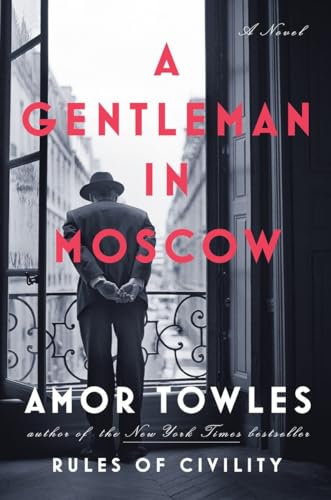
The mega-bestseller with more than 1.5 million readers that is soon to be a major television series One of five Summer 2019 reading picks by Bill Gates


Crafting Characters in Historical Contexts
Bringing meticulously crafted settings to life naturally invites a closer look at the characters who inhabit those worlds, as their beliefs, clothes, and social roles must all harmonize with the era’s realities to avoid feeling out of place or modernized. Characters in historical fiction need to exhibit authentic behaviors and motivations that reflect their time, making them feel startlingly real rather than mere inventions. Incorporating both fictional and real historical figures enhances depth, allowing a blend of imagination and reality that enriches narrative texture. Attention to historically accurate dress and social interactions—whether depicting gender roles or class dynamics—anchors characters firmly within their age, inviting readers to engage wholeheartedly with a vivid, believable past that leaps off the page! Integrating evidence-based therapy approaches can deepen character psychology and add layers of authenticity to their emotional resilience and growth.
Constructing Plots Rooted in History
Although weaving fictional threads around historical facts can be challenging, constructing plots rooted in history invites writers to blend rigorous research with creative storytelling, producing narratives that captivate and educate simultaneously. In historical fiction, integrating real events guarantees that conflicts and character motivations resonate authentically within the chosen time period’s societal norms and challenges. Writers must carefully align character arcs with historical realities, crafting believable actions that honor established facts without stifling narrative momentum. Drawing inspiration from true events offers a sturdy framework, while imaginative elements keep stories fresh and engaging. This balance between accuracy and invention is crucial, as it transforms mere dates into living worlds where readers feel immersed, enthusiastic to explore history through vivid, compelling plots that truly come alive! Selecting stories from reputable publishers known for meticulous research can further enhance a writer’s ability to maintain historical accuracy while crafting engaging narratives.
Using Descriptive Details to Evoke the Past
Atmosphere plays an indispensable role in historical fiction, with carefully chosen descriptive details like period-specific clothing, intricate food preparations, and distinctive architecture acting as vivid portals to the past. Historical narratives thrive when authors weave sensory-rich descriptions—sounds of bustling marketplaces, the scent of wood smoke, or rough textures of worn fabrics—immersing readers fully in the era. These descriptive touches do more than decorate; they convey essential cultural nuances and social customs, grounding characters in their time and making their motivations clearer. Meticulous research into these particulars guarantees authenticity without overwhelming the story. When such vivid, historically informed details are skillfully balanced, readers experience an engrossing journey through time, feeling as if they step directly into the world the author carefully reconstructs—an exciting prospect for any devoted lover of historical fiction! Incorporating clear chronological timelines helps maintain historical accuracy and helps both authors and readers navigate the complex flow of events within the narrative.
Achieving Authenticity in Historical Dialogue
While vivid descriptions of setting, clothing, and customs summon the past visually and sensorially, the authenticity of historical dialogue breathes life into characters by capturing the sounds and speech rhythms of their era. In a historical fiction book set during the American Civil period, mastering dialogue means carefully selecting language and speech patterns true to the time—avoiding anachronisms that might jar readers out of immersion. Incorporating period-specific slang and idioms not only adds credibility but reveals social and cultural nuances, strengthening the connection to the era. Consistency remains key; characters’ voices must reflect societal norms and remain distinct throughout the narrative. Achieving this elevates a story from good to memorable, making readers feel truly transported to the American Civil era world! For authors interested in weaving instructional content, integrating foundational concepts like music theory can similarly enrich the resonance and depth of dialogue portrayal.
Exploring the Prehistory Era in Historical Fiction
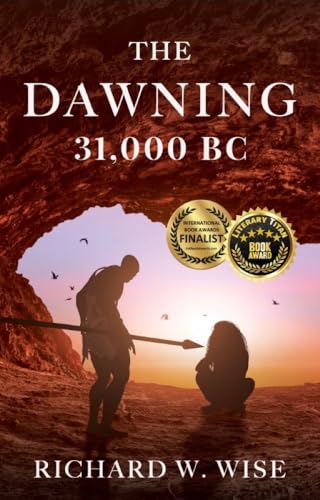
Diving into the Prehistory Era in historical fiction opens up a fascinating window into a world far removed from written chronicles, spanning roughly from 30,000 BCE to 3,000 BCE, where stories revolve around early hominids and Neanderthals maneuvering the harsh realities of hunter-gatherer life. Fiction set in this era often imagines the social dynamics and survival tactics of these communities, sometimes weaving in speculative elements like mammoths or prehistoric creatures, which adds a thrilling layer of creativity. Readers intrigued by human origins will find rich themes of family and survival, captured with vivid detail by authors who bravely fill gaps in history with imaginative yet plausible narratives. This blend of fact and invention makes Prehistory fiction a uniquely enchanting gateway to humanity’s distant past! In exploring these ancient worlds, the use of historical narratives can deepen readers’ engagement by providing context and insight into the lives of early humans.
Recommended Products


Stories Set in Classical Antiquity
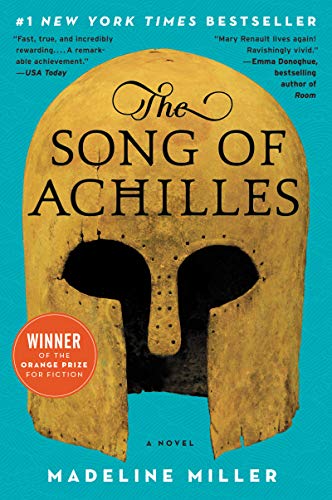
Since Classical Antiquity spans roughly from 3,000 BCE to 500 CE and includes prominent civilizations like Ancient Egypt, Greece, and Rome, historical fiction set in this era offers a fascinating blend of documented history and imaginative storytelling; for instance, Penguin Classics’ 432-page edition of Steven Saylor’s “Roman Blood” incorporates vivid political intrigue featuring Julius Caesar, weaving rich details of governance, warfare, mythology, and daily life that illuminate the complexities of ancient societies—making these stories a thrilling dive for readers enthusiastic to explore the values and struggles of past cultures! Historical fiction in this period often spotlights renowned figures such as Cleopatra, blending myth and fact to reveal societal norms and tensions. These novels masterfully balance epic battles with intimate personal dramas, offering an engaging window into the politics and passions that shaped antiquity. Many readers find that visual storytelling greatly enhances their connection to and understanding of these ancient worlds.
Recommended Products


Adventures in the Middle Ages
Moving forward from the grandeur of Classical Antiquity’s political intrigue and mythic tales, Adventures in the Middle Ages unfold a world rich with knights, castles, and shifting loyalties that shaped Europe between 500 and 1500 CE. Historical fiction set in this vibrant era often explores chivalry, feudalism, and the intersections of nobility and commoner lives, all framed by monumental events like the Crusades and the Black Death. The rise of the Catholic Church adds complex layers of societal influence, while legendary figures such as Charlemagne and Joan of Arc inspire countless narratives. This period’s stories skillfully blend fact and myth, as seen with King Arthur’s tales, making it an endlessly fascinating setting for historical fiction readers enthusiastic to experience adventure, loyalty, and conflict threaded through centuries of fascinating human drama.
Recommended Products


Narratives From the Industrial Revolution and Napoleonic Era
Although the Industrial Revolution and Napoleonic Era span a complex web of social upheaval and military ambition, historical fiction capturing this period often thrills readers with vivid portrayals of smoky factories, bustling urban streets, and sweeping battlefields shaped by Napoleon’s daring strategies. Fiction set during this time in history explores technological breakthroughs and the resulting class struggles, bringing to life the tensions between old-world traditions and new industrial realities. Many novels (like those published by Penguin Classics) thoughtfully examine the impact on everyday people, highlighting shifting family dynamics amid rapid urbanization. These stories skillfully connect past anxieties about job displacement with today’s technology fears, making the narratives surprisingly relatable. For enthusiasts enthusiastic to immerse themselves in a world forged by innovation and conflict, these compelling accounts offer a rich, layered experience—truly a time in history worth exploring!
Recommended Products


Frequently Asked Questions
What Time Periods Are Considered Historical Fiction?
Historical fiction often explores bygone eras, encompassing medieval settings and ancient civilizations, extending through transformative centuries including early modern times and industrial progression, revealing nuanced cultural shifts and societal evolution in tales set comfortably beyond living memory.
What Are the 5 Main Time Periods?
The five main time periods include Ancient Civilizations, the Colonial Era, the American Revolution, the Victorian Era, and the Great Depression. These eras offer varied historical settings reflecting diverse societal, cultural, and economic transformations.
What Are the 4 Periods of History?
History’s tapestry weaves together four periods: Prehistory, marked by ancient civilizations; Classical Antiquity, rich in documented achievements; medieval society defining the Middle Ages; and the Early Modern Period, heralding colonial expansion and cultural shifts.
What Are the 10 Best Historical Fiction Books?
The ten best historical fiction books include epic narratives like “The Nightingale,” “The Book Thief,” and “Wolf Hall,” each notable for their cultural impact, weaving intricate stories that reflect deep historical and personal conflicts across different eras.