As an Amazon Associate, we earn from qualifying purchases. Some links on this site are affiliate links at no extra cost to you. Our recommendations are based on thorough research and editorial judgment.

Understanding Art Books: From Exhibition Catalogs to Monographs

Artists’ monographs, often published by Thames & Hudson or Skira Rizzoli, range from 100 to 250 pages filled with high-quality images and insightful essays, revealing the creative journeys behind single artists with enthralling detail and thoughtful context. Exhibition catalogs complement these by offering vivid photography and thematic layouts that guide viewers through exhibitions. Both formats balance visual storytelling and critical analysis beautifully (yes, even the wordless ones!). Stick around, and you’ll uncover richer perspectives on these art treasures!
Key Takeaways
- Art books range from exhibition catalogs showcasing collections to monographs focusing deeply on a single artist’s works and context.
- Artists’ monographs provide critical essays, high-quality images, and scholarly insights that illuminate an artist’s creative journey.
- Exhibition catalogs feature vivid photos, well-edited captions, and structured layouts to guide readers through thematic or chronological displays.
- Contextual analysis in monographs enriches understanding by explaining artistic intent and historical significance through diverse perspectives.
- Digitization and specialized cataloging enhance accessibility and research by modernizing collections and integrating cross-collection search platforms.
Defining Artists’ Monographs and Their Significance
Although often overlooked by casual readers, artists’ monographs are fascinating treasures, typically published by respected houses like Thames & Hudson or Skira Rizzoli, featuring anywhere from 100 to 250 pages of carefully curated content that zooms in on a single artist’s body of work. These books serve as immersive windows into an artist’s work, providing critical insights that both illuminate their creative journey and deepen appreciation. With high-quality images that captivate, and thoughtful essays by critics and scholars offering diverse perspectives, monographs transform a collection of artworks into rich, contextual narratives. Whether presenting a broad overview or concentrating on a pivotal series, these volumes provide an invaluable resource—an art lover’s must-have that offers both beauty and brain food! Furthermore, the ideal dimensions of art books play a key role in balancing visual impact with practical handling, enhancing the reader’s engagement.
Varieties of Artists’ Monographs Explored
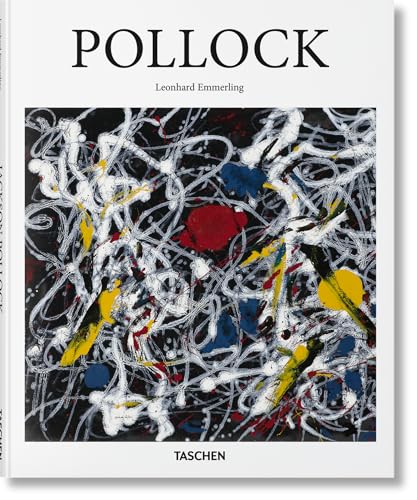
Artists’ monographs come in a fascinating assortment of styles and formats that cater to varied tastes and interests, making them a treasure trove for anyone enamored by visual storytelling. These books range from retrospectives covering an entire career to focused examinations of particular series, often published by respected art presses known for quality paper and binding. Some highlight contemporary art through dense essays by critics, enriching the viewer’s grasp of abstract concepts, while others rely almost entirely on stunning, high-resolution images that let the artwork speak—with minimal text, perfect for narrative-driven fans. Wordless editions captivate purely through their visual appeal, whereas interpretative analysis monographs offer diverse perspectives from artists and scholars, deepening discussions around creativity. Such variety guarantees every collector finds a monograph that sparks curiosity and joy! Their production quality often rivals that of leading titles like Taschen’s comprehensive art volumes, ensuring a visually rich experience.
You may be interested


3 Best Modern Sculpture Books Every Art Enthusiast Should Read
November 23, 2024
Recommended Products

Elevate your Artwork – Take your art, sketching or drawing to the next level with your new sketchbook. Bring out your inner Matisse.

The Role of Contextual Analysis in Art Publishing
When diving into the world of art books, contextual analysis often emerges as the secret ingredient that transforms a simple collection of images into a rich, immersive experience! In art publishing, monographs frequently incorporate essays and excerpts from critics and historians, offering readers necessary explanations that clarify an artist’s intent—especially for abstract or conceptual works. Howard Schwartzberg’s monograph stands out by skillfully combining diverse perspectives, creating a media-based organization that deepens critical engagement. This approach not only makes challenging artworks more accessible but also enhances the overall narrative, allowing viewers to appreciate the significance of art within contemporary discourse. Contextual analysis, consequently, proves essential in art publications, elevating monographs beyond mere visuals to thoughtful explorations of creative practice and meaning. Integrating practical exercises alongside contextual insights can further engage readers and enrich their understanding of complex artistic themes.
Utilizing Visual Narratives in Deep Look Monographs
Building upon the importance of context in art books, Deep Look monographs offer a revitalizing approach by letting stunning visuals lead the conversation, often showcasing vibrant, high-resolution images across beautifully printed pages with minimal text interruption—an inviting format published by houses like Aperture and Princeton Architectural Press that champions visual storytelling. These monographs allow the art itself to narrate, sparking imagination with limited text, often just brief artist statements or openings to set context. This format particularly shines for narrative-driven works—comics or illustrations—delivering an immersive visual journey that’s both accessible and rich. Deep Look monographs are perfect for readers craving a fresh, intuitive experience with art, where each image invites deeper engagement, making them an exciting alternative to traditional, text-heavy art monographs! In addition, understanding the importance of historical insights can greatly enhance the appreciation of visuals within these books.
Essential Elements for High-Quality Art Publications
While stunning visuals often steal the spotlight in art books, the backbone of any high-quality publication lies in a harmonious blend of sharp images, meticulous proofreading, and a thoughtfully crafted structure that guides readers effortlessly through the content. In art publishing, exhibition catalogs stand out when they combine vivid, crisp photography with well-edited captions, ensuring every detail shines clearly. A clear, organized layout—whether chronological or thematic—helps readers navigate the book without confusion. Adding essays and interpretive analyses by artists or scholars enriches understanding, offering deeper perspectives beyond the images alone. Finally, focusing on unique themes energizes the publication, transforming it from a mere collection of artwork into an engaging experience that sparks both appreciation and critical thought—a formula any art lover or curator will wholeheartedly appreciate!
Recommended Products

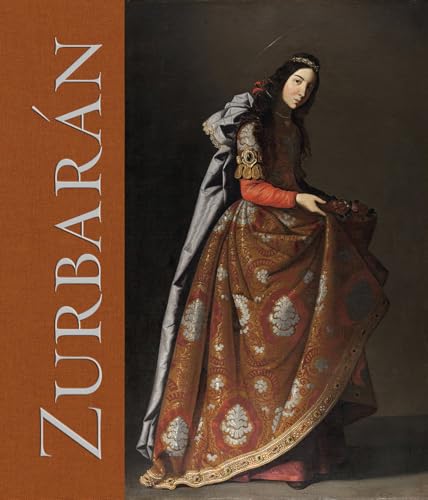

Length: 0.5in / 1cm, Height: 10.25in / 26cm, Width: 8.75in / 22cm
World Book Day and Trends in Reading Art Publications
Art books do more than showcase stunning images and thoughtful essays—they also invite readers into a broader cultural conversation, especially on occasions like World Book Day, observed every April 23 to celebrate the joy of reading globally. This special day highlights the essential role art publications play in the art world, encouraging engagement beyond galleries. Despite 24% of Americans not reading books annually, library collections increasingly offer both print and digital art books, making these resources more accessible than ever. Such availability supports a wide spectrum of readers—from curious newcomers to seasoned professionals—who wish to explore contemporary practices deeply. Publishers including Thames & Hudson often produce richly detailed monographs and exhibition catalogs, reinforcing the significance of art literature trends and sparking exciting, informed discussions for World Book Day and beyond! Additionally, art coffee table books serve as visual storytelling tools that both enhance art appreciation and function as engaging cultural artifacts.
The Cultural and Educational Impact of Exhibition Catalogs
Although exhibition catalogs are sometimes overlooked as mere souvenirs, they actually serve as indispensable gateways to a deeper understanding of the artwork and the artist’s world, often featuring richly detailed analyses, artists’ interviews, and high-quality reproductions that capture even the smallest brushstroke. These catalogs provide valuable insights into an artist’s intentions and the historical context, transforming them into essential tools for researchers and art lovers alike. For those who cannot attend exhibitions in person, exhibition catalogs offer a precious opportunity to experience and study art remotely, their meticulously curated pages brimming with compelling narratives and sharp, vivid illustrations. Publishers often invest significant effort to guarantee these volumes are not only informative but visually engaging (yes, art books can be showstoppers!), making them lasting cultural and educational treasures. Similar to how durable materials ensure longevity in outdoor conditions for national park passports, exhibition catalogs are carefully designed to preserve their value and usability over time.
Noteworthy Recent and Upcoming Art Monographs
The allure of newly released and forthcoming art monographs never fails to captivate, offering rich, carefully designed volumes like “Howardena Pindell: What Remains to Be Seen,” published by DelMonico Books and aligned with her major MCA Chicago exhibition, or “Mark Bradford: Pickett’s Charge,” a hefty, visually stunning catalogue from Hirshhorn Museum Press that documents a powerful installation. Upcoming monographs such as “Joyce J. Scott: Harriet Tubman and Other Truths” and “Adrian Piper: A Synthesis of Intuitions” promise thorough explorations into these American artists’ compelling legacies. Meanwhile, “Charles White: A Retrospective,” accompanying the Art Institute of Chicago survey, highlights the artist’s lasting impact. These monographs don’t just celebrate individual creativity—they enrich academic discourse and community connection, broadening perspectives on historical art movements while offering engaging, meticulously curated content worth keen anticipation! The integration of structured learning paths in piano literature illustrates the importance of progressive content delivery in educational materials.
Recommended Products


Historical Development of Artist Books in Libraries
Digitization efforts since the 1980s have revolutionized how libraries manage and provide access to artist books, blending meticulous cataloguing with expanding digital platforms to engage art lovers and scholars alike. Early electronic catalogues allowed libraries to enhance collection management, while specialized documentation standards emerged to address the artist’s unique book forms, since traditional methods often fell short. Services like COPAC and Worldcat further expanded access, providing insights across multiple collections to diverse users—from art students to practicing artists. Significant cataloguing resources, such as Stephen Bury’s manuals and photographic registers in England, set essential benchmarks. The Joan Flasch Collection exemplifies ongoing digitization’s modernization of artist book access, though challenges with cost and copyright persist. Such developments underscore the evolving historical landscape of artist books in libraries—truly fascinating! Modern readers also benefit from tools like reading journals to deepen their engagement with artist books and document their experiences with these unique forms.
Advances in Digitisation and Accessibility of Artist Books
While ongoing efforts to modernize access to artist books continue reshaping how users discover and enjoy these unique creations, there is much to celebrate about current advances! Digitisation projects like the Joan Flasch Collection, boasting an illustrated catalogue with over 6,000 high-quality, downloadable artist books, greatly enhance accessibility for collectors and researchers alike. Platforms such as WorldCat Discovery and COPAC break down barriers by enabling searches across multiple collections, reaching audiences far beyond academia. Library catalogues now featuring images rather than relying solely on text make exploring these treasures a more intuitive experience. Meanwhile, specialist documentation standards provide a much-needed upgrade to conventional cataloguing, ensuring artist books receive the detailed attention they deserve. These developments collectively make investigating artist books easier and far more engaging—definitely a thrilling time to immerse oneself! Many modern cataloguing initiatives borrow principles from specialist documentation standards found in diverse fields to enhance user engagement and accuracy.
Recommended Products


Resources and Support for Researching Art Publications
Where can passionate researchers find the most valuable support for diving deep into art publications? Resources like Mason Libraries Search and A&AePortal offer rich access to scholarly monographs and exhibition catalogs, essential for anyone exploring art books with enthusiasm! Additionally, WorldCat Discovery helps locate titles across numerous libraries, while interlibrary loan services guarantee hard-to-find materials come right to one’s door. HathiTrust’s vast collection of historic and public domain texts also broadens research horizons, making it indispensable. Meanwhile, The Artist Book Foundation (TABF) publishes beautifully crafted, artist-centered books, which add vibrant texture to academic studies and personal libraries alike. Delving into exhibition catalogs and catalogues raisonnés delivers detailed insights into artists’ works and histories—truly a treasure trove for those craving depth in art research! For those interested in improving their knowledge, combining resources that cover both mental strategies and biographies, such as expert insights, can greatly enhance understanding and appreciation of subject matter.
Recommended Products


Frequently Asked Questions
What Is a Monograph in Art?
A monograph in art is a focused publication emphasizing one artist’s work. Its significance lies in presenting detailed analyses or visual showcases, with characteristics including high-quality imagery, contextual essays, and varied scopes enhancing the artist’s visibility.
What Is the 7 Elements of Art Book?
The 7 Elements of Art book is a thrilling elements exploration guide for those desperate to decode artistic techniques like line, shape, and color—because without it, how would anyone possibly pretend to understand art’s thrilling complexities?
How to Tell if a Book Is a Monograph?
Identifying art monographs involves recognizing monograph characteristics such as focused content on a single artist, detailed visual documentation, scholarly essays, and critical analysis that collectively provide an in-depth exploration of the artist’s work and creative intent.
What Is an Exhibition Catalog?
An exhibition catalog is the heart and soul of exhibition design, showcasing catalog features like artist essays, high-quality images, and curatorial themes, offering readers an all-encompassing guide that preserves and explains the art event’s vision and layout.