As an Amazon Associate, we earn from qualifying purchases. Some links on this site are affiliate links at no extra cost to you. Our recommendations are based on thorough research and editorial judgment.

5 Best Mountain Photography Books for Capturing Stunning Peaks

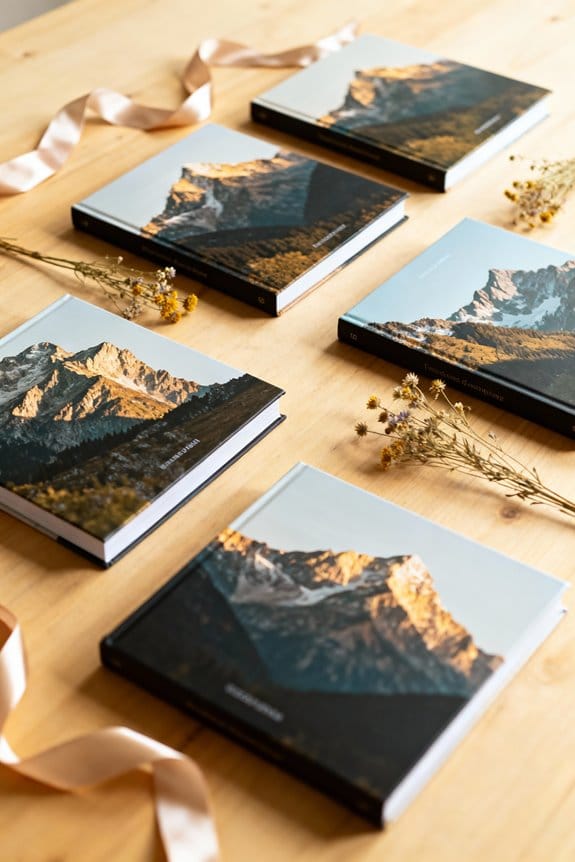
If you’re hunting for jaw-dropping mountain photography books, you’ll love titles like Mark Hendricks’ *The Central Appalachians: Mountains of the Chesapeake* (192 pages, 250+ stunning images) and Gabriella Le Breton’s glossy *The Ultimate Ski Book* (288 pages of alpine lifestyle and history). Christopher Cauble’s *Yellowstone: A Land of Wild and Wonder* dazzles with bold wildlife portraits, while Mike Poggioli’s *Blue Ridge Dreaming* captures moody mountain vibes. For cycling fans, *Mountains: Epic Cycling Climbs* is packed with vivid European routes. Keep going to uncover what sets each apart!
Key Takeaways
- Mark Hendricks’ The Central Appalachians offers intimate wildlife and landscape shots from the Appalachian region with award-winning photography.
- Yellowstone: A Land of Wild and Wonder by Christopher Cauble features dramatic volcanic landscapes and close animal portraits in art-quality prints.
- Blue Ridge Dreaming by Mike Poggioli captures moody, atmospheric images of Asheville’s mountainous surroundings and the Blue Ridge Parkway.
- Mountains: Epic Cycling Climbs explores Europe’s breathtaking mountain routes with vivid photography tailored to avid cyclists and mountain lovers.
- The Ultimate Ski Book by Gabriella Le Breton includes stylish mountain resort visuals and ski culture, appealing mainly to skiing enthusiasts.
The Central Appalachians: Mountains of the Chesapeake


You may be interested

10 Best 3D Printing Books to Master the Art and Technology
August 12, 2024


If you’re someone who thrives on uncovering hidden natural wonders and treasures vivid storytelling alongside stunning visuals, The Central Appalachians: Mountains of the Chesapeake is a perfect choice for your mountain photography bookshelf! Mark Hendricks, an award-winning nature photographer, packed this 192-page hardcover with over 250 enthralling images from Maryland, Pennsylvania, Virginia, and West Virginia. You’ll find intimate portraiture of elusive wildlife captured with innovative camera traps, plus rich essays that explore Appalachian Trail adventures and essential conservation efforts. It’s more than a photo book—it’s your gateway to understanding and preserving this biodiversity hotspot’s amazing ecosystems!
Best For: nature enthusiasts, photographers, and conservation advocates eager to explore and preserve the biodiversity of the Central Appalachians through vivid imagery and compelling stories.
Pros:
- Features over 250 captivating photographs showcasing wildlife and diverse ecosystems across four states.
- Includes insightful essays that highlight conservation efforts and unique ecological narratives.
- Combines innovative camera trap photography with outdoor adventure storytelling for a rich, immersive experience.
Cons:
- Focused primarily on the Central Appalachians, which may limit appeal for those interested in other regions.
- Hardcover format and extensive photography might make it less portable for casual outdoor use.
- Readers seeking in-depth scientific data may find the content more visually and narratively focused than technical.
The Ultimate Ski Book: Legends, Resorts, Lifestyle & More

For anyone captivated by the thrill and lifestyle of skiing, Gabriella Le Breton’s The Ultimate Ski Book: Legends, Resorts, Lifestyle & More offers a treasure trove of insights wrapped in 288 glossy pages (published by Welbeck). You’ll immerse yourself in skiing’s rich history, meeting early Alpine pioneers and tracing how modern skiing evolved, while also exploring ski culture, fashion, and style. Le Breton highlights iconic ski spots—from the Andes’ longest run to the Alps’ most spectacular descent—and dishes on legendary huts in the Rockies. Plus, you get expert tips on après ski fun and cozy lodging, perfect for any enthusiast looking to capture skiing’s full essence.
Best For: Ski enthusiasts and lifestyle readers looking for a comprehensive and visually engaging exploration of skiing history, culture, resorts, and après ski experiences.
Pros:
- Provides a thorough historical overview and evolution of skiing.
- Covers diverse skiing locations with expert insider tips.
- Includes detailed insights into ski culture, fashion, and après ski lifestyle.
Cons:
- May be less appealing to casual readers not deeply interested in skiing.
- Glossy 288-page format could be heavy or cumbersome for travel.
- Focus on high-end resorts and lifestyle may not suit budget travelers.
Yellowstone: A Land of Wild and Wonder
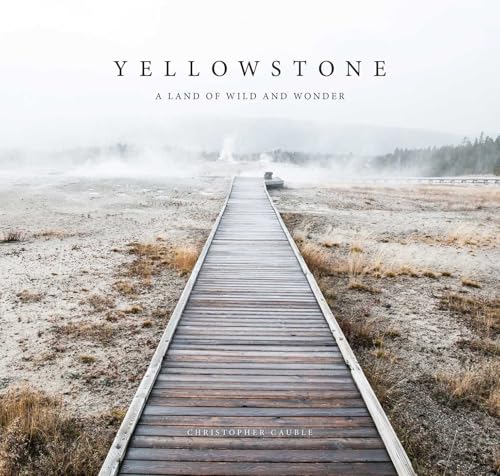
Photographers and nature lovers alike will find *Yellowstone: A Land of Wild and Wonder* by Christopher Cauble an irresistible addition to their collection, especially if you cherish richly detailed, art-quality prints that bring Yellowstone’s landscapes and wildlife vividly to life. Cauble’s striking contemporary style captures the park’s dramatic scenery and intimate animal portraits with such power, you’ll feel like you’re wandering its trails yourself. This elegant book, with a bold cover and superb printing, makes a perfect coffee table centerpiece — ideal for anyone drawn to Yellowstone’s grandeur or passionate about fine photography. Trust me, it’s a visual journey worth owning!
Best For: Photography enthusiasts, nature lovers, and Yellowstone admirers seeking a visually stunning coffee table book with high-quality art prints.
Pros:
- Features powerful, contemporary photography capturing Yellowstone’s landscapes and wildlife.
- Art-quality printing and an elegant, bold cover enhance its aesthetic appeal.
- Inspires wanderlust and offers an immersive visual journey through the park.
Cons:
- Primarily a visual book, so may lack extensive textual information for readers wanting detailed history or ecology.
- May be considered a luxury item due to its art-quality print and design, possibly higher priced.
- Best appreciated by those already interested in Yellowstone or fine photography, limiting its appeal to a broader audience.
Blue Ridge Dreaming

Those drawn to evocative landscapes steeped in natural drama will find Blue Ridge Dreaming an irresistible addition to the Mountain Photography Books collection, as Mike Poggioli’s New York-bred eye perfectly captures the soul of Asheville’s mountainous surroundings. This 112-page hardcover from Appalachian Arts Publishers oozes atmosphere, presenting moody, dreamy scenes painted in a distinctive color scheme of oranges and blues that shimmer with golden light and delicate fog. You’ll feel transported to the Blue Ridge Parkway and Great Smoky Mountains, hiking alongside Poggioli’s brushstrokes—each image a heartfelt invitation to experience this enchanting region’s timeless beauty firsthand!
Best For: nature lovers and art enthusiasts seeking evocative landscape photography that captures the moody beauty of the Blue Ridge Mountains.
Pros:
- Stunning visual portrayal of Blue Ridge Mountains with unique orange and blue color palette.
- High-quality 112-page hardcover enhances durability and presentation.
- Deeply atmospheric images that invite viewers to experience the region’s natural beauty.
Cons:
- Focused primarily on one geographic region, which may limit appeal for those seeking diverse landscapes.
- Artistic style might be too moody or dreamy for viewers preferring sharp, realistic photography.
- Hardcover format may be less portable compared to smaller or digital formats.
Mountains: Epic Cycling Climbs

If you’re an avid cyclist or a passionate mountain lover, this revised and expanded edition of *Mountains: Epic Cycling Climbs* (published by White Lion Publishing, 256 pages) offers you an immersive journey through Europe’s most breathtaking and demanding climbs, perfectly combining vivid photography with gripping personal stories from top road cyclists. This book captures over fifteen new routes across the Alps and beyond, blending the beauty and brutality of mountain cycling, while honoring its rich history from the Ardennes to iconic peaks. With 250+ color photos and insider reflections, it’s your go-to guide for chasing glory and awe on two wheels!
Best For: avid cyclists and mountain lovers seeking an inspiring and comprehensive guide to Europe’s most challenging and scenic cycling climbs.
Pros:
- Features over fifteen new routes, including climbs in the Alps and beyond.
- Contains 250+ color photographs that vividly capture the beauty and challenge of mountain cycling.
- Includes personal stories and reflections from top road cyclists, adding depth to the historical and emotional aspects.
Cons:
- Primarily focused on European climbs, which may limit appeal for cyclists interested in other regions.
- The combination of photography and text may be overwhelming for readers seeking purely technical cycling guides.
- May be less suitable for beginners due to the emphasis on demanding and epic climbs.
Factors to Consider When Choosing Mountain Photography Books

When picking a mountain photography book, you’ll want to take into account the image quality and style first, especially if vivid, crisp shots make your jaw drop like they do mine! Think about the geographic focus, whether it’s the rugged Rockies or serene Alps, because that shapes the whole experience—and don’t forget the photographer’s expertise; some books from Rocky Nook pack over 200 pages of pro tips and stunning visuals that really elevate the learning curve. Plus, spotting titles that weave ecological and cultural context into their storytelling makes for a richer read, turning pages into a journey you won’t want to rush through!
Image Quality and Style
Image quality plays a pivotal role in how you’ll experience a mountain photography book, especially when you want to savor every rugged peak and delicate wildflower as if you were there yourself. Look for high-resolution prints that reveal intricate textures and sharp details—these make the landscapes and wildlife truly pop. Also, consider the photographer’s style: dramatic lighting and moody atmospheres can pull you in emotionally, while a mix of sweeping panoramas and intimate close-ups keeps the visual journey dynamic and fresh. Pay attention to the color palette, too—contrasting hues like fiery oranges against cool blues can set a powerful mood. Finally, quality presentation, such as art-quality printing and sturdy covers, guarantees these stunning images remain a joy to revisit for years to come.
Geographic Focus Area
Choosing a mountain photography book based on its geographic focus area can deeply enrich your experience, as it lets you explore unique ecosystems, enchanting wildlife, and local culture that make each mountain range stand out. For instance, a book focusing on the Blue Ridge Mountains (often around 200 pages, photo-rich with sturdy hardcover binding) highlights rolling valleys and dramatic peak vistas, perfect if you crave lush landscapes. Meanwhile, titles centered on Yellowstone captivate with iconic wildlife portraits set against volcanic backdrops, enriching your collection with diverse fauna. Don’t overlook books about the Alps—they often include fascinating cultural history, like the mountains’ cycling legacy, adding vibrant context to your photographs. Choosing a geographic focus that resonates with your aspirations brings both depth and joy to your journey—trust me, it’s worth it!
Photographer’s Expertise Level
Although expertise level might seem like a behind-the-scenes detail, it plays a huge role in how enchanting and educational a mountain photography book truly is. When picking a book, you want to contemplate the photographer’s background and experience since professionals often reveal intricate landscapes and nuanced lighting like few others can. Books showcasing award-winning photographers typically promise a high level of craftsmanship, which really sets them apart. Pay attention to their technique and style; some might focus on dramatic landscapes, while others excel in capturing fleeting weather moments or wildlife, adding exciting variety. Also, check the technical quality—composition, focus, and exposure all matter—to guarantee the photos grab your attention and inspire your own mountain adventures. Trust me, these details transform a good book into a must-have for any enthusiast!
Ecological and Cultural Context
Once you’ve appreciated the photographer’s skill and style, the story the photos tell becomes even more enchanting when it reflects ecological and cultural layers that give mountains their identity beyond just breathtaking views. When choosing your next mountain photography book, consider those that explore crucial conservation issues and local biodiversity, like “Sacred Peaks” (232 pages, published by Nature Press), which also shares vivid essays on how indigenous communities relate to their rugged landscapes. Books spotlighting seasonal shifts and wildlife, such as the beautifully bound “Mountain Moods” (160 pages, by Alpine Artworks), add an immersive touch. I especially recommend volumes that weave personal stories or folklore into their pages, strengthening your connection to these majestic places and making the entire experience much richer and, yes, a bit more magical!
Narrative and Storytelling
When you plunge into mountain photography books that embed narrative and storytelling, you’re instantly drawn deeper into the landscapes, as these tales offer a vibrant link between the stunning images and the photographer’s unique journey. You’ll find personal anecdotes about wildlife encounters and dramatic weather that create a real connection, making the mountains feel alive beyond the page. Essays that weave in ecological and cultural themes enhance your understanding of these majestic regions, often emphasizing conservation’s importance. This rich storytelling not only adds emotional depth but sparks wanderlust, encouraging you to appreciate mountain ecosystems’ complexity. So, when choosing a book, look for one with compelling narratives and thoughtful essays alongside its visuals—it’s a surefire way to make your mountain photography experience unforgettable!
Book Production Quality
Because mountain photography books are designed to showcase breathtaking landscapes in vivid detail, you’ll want to pay close attention to their production quality, as factors like high-resolution color printing and art-quality paper truly bring each image to life, while hardcover bindings offer durability that lets you revisit those peaks without worrying about wear and tear. Look for books published by reputable houses like Rocky Mountain Books—they often use thick, glossy pages that highlight crisp details and vibrant hues. A visually striking cover signals serious craftsmanship, inviting you to explore further. Plus, smart layouts that balance text and images enhance storytelling, making every page feel immersive and deliberate. When a book feels as good as it looks and lasts through countless viewings, you know you’ve found a real gem to keep on your shelf!
Target Audience Interest
How do you pick the perfect mountain photography book that speaks to your unique interests and needs? First, consider who you are—a dedicated pro chasing technical mastery, a nature lover craving emotional stories, or just a casual snapshooter wanting beautiful visuals. Books like “Peaks & Perspectives” by Rocky Ridge Press, with its 200 pages of dramatic landscapes and vivid wildlife shots, appeal to those enchanted by nature’s raw power. Meanwhile, if you’re after practical tips, “Mountain Light Magic” (published by Summit Publications) combines crisp how-tos with personal anecdotes, perfect for on-the-go learning. Don’t forget to think about the book’s size and print quality—lavish, large-format editions make stunning coffee table pieces, while compact, durable ones suit your outdoor adventures. Matching the book to your vibe guarantees every page fires your passion!
Frequently Asked Questions
What Camera Gear Is Best for Mountain Photography?
You’ll want a lightweight DSLR or mirrorless camera, like the Sony A7III, that handles tricky light like a pro, plus a sturdy zoom lens—say, a 24-70mm f/2.8—for those sweeping peaks and intimate details. Don’t forget a reliable tripod to steady your shots when the wind howls, and extra batteries because cold saps power fast! These tools will turn your mountain visions into breathtaking reality, trust me—it’s absolutely thrilling!
How Do I Prepare for Photography in Extreme Mountain Weather?
You’ll want to pack layered, moisture-wicking clothes, sturdy boots, and weatherproof gloves to stay comfortable and focused, even when the cold, wind, or snow gets intense. Don’t forget extra batteries—they drain faster in the cold! A reliable, insulated camera bag (think Lowepro, about 15x10x5 inches) protects your gear and gives you quick access, which is essential when weather shifts fast. Preparation keeps you shooting—no excuses!
Are Drones Allowed for Aerial Mountain Photography?
You totally can use drones for aerial mountain photography—did you know that drone regulations apply to over 70% of popular national parks, meaning you’ll often need a permit? It’s thrilling to capture sweeping peaks from above, but check rules from the FAA or local agencies first, so you don’t get stuck with a fine (or a disappointed mountain goat). Grab a guide like “Mountain Drone Photography” (SkyView Press, 220 pages) for tips!
What Settings Optimize Landscape Shots in Mountains?
You’ll want to shoot with a small aperture (f/8 to f/16) to keep everything sharp, use a low ISO (100-200) for clean images, and pick a slower shutter speed when lighting’s soft—perfect for capturing those majestic peaks with crisp detail! Don’t forget a sturdy tripod to avoid blur, and try using a polarizing filter to reduce glare and enhance blue skies. It’s all about balancing sharpness, exposure, and stunning colors for breathtaking mountain landscapes!
How Can I Safely Access Remote Mountain Locations?
To safely access remote mountain locations, you’ll want to plan meticulously—always check detailed topographic maps, weather forecasts, and trail conditions before you head out. Equip yourself with GPS devices, sturdy boots, and navigation tools—a reliable compass or smartphone apps like Gaia GPS. Pack layered clothing, enough food, and emergency gear. It’s smart to let someone know your itinerary and expected return time. Safety first, adventure always! (Yes, I’m the cautious kind, but you’ll thank me later.)