As an Amazon Associate, we earn from qualifying purchases. Some links on this site are affiliate links at no extra cost to you. Our recommendations are based on thorough research and editorial judgment.

5 Best Interior Photography Books to Inspire Your Next Shoot

You’ll love the top five interior photography books packed with stunning high-res images, detailed lighting diagrams, and practical styling tips from acclaimed publishers like Thames & Hudson. Whether it’s Ashe Leandro’s fresh take blending architecture with interiors, or meticulous guides emphasizing lighting setups and creative composition (including pet-friendly shots!), these books feel like portable workshops designed to elevate your craft, spark creativity, and help you capture spaces with flair. And wait till you see which titles made this inspiring lineup!
Key Takeaways
- Look for books combining advanced lighting setups with clear diagrams to master technical interior photography skills.
- Choose titles featuring high-resolution images and diverse design styles to spark creativity and inspiration.
- Prioritize books offering a balance of artistic vision and practical guides for lighting, composition, and styling.
- Select works authored by interior design experts or renowned photographers for professional insights and real-world application tips.
- Opt for publications with well-organized layouts and actionable advice to facilitate learning and easy idea retrieval.
Interior Photography: Lighting and Other Professional Techniques with Style
Sale

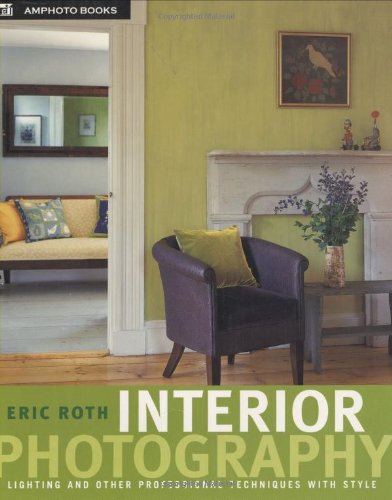
Interior Photography: Lighting and Other Professional Techniques with Style
- Used Book in Good Condition
If you’re serious about mastering interior photography (whether you’re an ambitious amateur or a seasoned pro), this book is a fantastic resource that can truly elevate your craft—offering an in-depth exploration of lighting techniques, composition, and professional styling while showcasing examples from high-end advertising and stylish shelter magazines. You’ll find clear diagrams detailing 30 lighting setups that reveal artistic control with both traditional and digital tools. The book, by a respected photographer with insights from Susan Sargent’s acclaimed work, also dives into styling interiors with props, pets, and dynamic elements, making each shot pop. It’s a thoughtful, practical guide that’ll push your skills forward!
Best For: photographers ranging from ambitious amateurs to seasoned professionals who want to master interior photography with advanced lighting, composition, and styling techniques.
Pros:
- Provides clear, detailed diagrams of 30 diverse lighting setups for artistic and technical proficiency.
- Offers practical advice on composition and styling, including the use of props, pets, and dynamic elements.
- Includes insights from a respected photographer and notable works, enhancing professional development.
Cons:
- May be overwhelming for casual hobbyists due to its in-depth and professional focus.
- Primarily centers on interior photography, which might limit appeal for photographers interested in other genres.
- Requires access to both traditional and digital equipment to fully benefit from lighting techniques described.
100 Organized Interior Design Photography Book
For anyone craving a blend of style and order, the 100 Organized Interior Design Photography Book serves as a fantastic visual guide filled with 100 crisp, high-resolution photos that capture homes where beauty and function co-exist beautifully. You’ll find clever storage solutions—from built-in cabinetry to multifunctional furniture—that make every space look sleek yet welcoming. This book not only inspires with its clean lines and cozy textures but also highlights how organized living can boost your mental well-being by creating calm, breathable rooms. If you want practical ideas paired with stunning interiors, this guide is a must-have!
Best For: Individuals seeking inspiration and practical ideas for creating stylish, clutter-free, and mentally calming living spaces through organized interior design.
Pros:
- Features 100 high-resolution photographs showcasing diverse organized interiors for visual inspiration.
- Includes smart storage solutions like built-in cabinetry and multifunctional furniture to maximize space.
- Provides practical design tips that promote mental well-being and a calm, intentional living environment.
Cons:
- Primarily focused on aesthetics and organization, with less emphasis on DIY instructions or step-by-step guides.
- May not cover extensive budget-friendly options for readers with limited resources.
- Best suited for readers interested in interior design photography, which might be less appealing to those seeking extensive text-based content.
Ashe Leandro: Architecture + Interiors
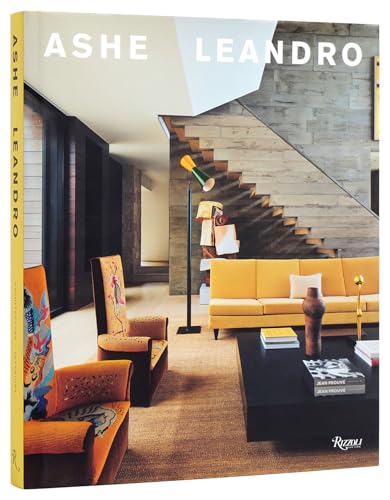

Design lovers and aspiring creatives will immediately appreciate Ashe Leandro: Architecture + Interiors, a luxurious cloth-bound book that beautifully captures the firm’s signature blend of classic contemporary style and worldly influences—perfect if you crave interiors that marry simplicity with subtle sophistication. This must-have edition showcases projects spanning from New York to Martha’s Vineyard, featuring quiet beauty, asymmetrical details, and a cosmopolitan-bohemian fusion inspired by Southwest, Latin American, and European heritages. Stuffed with insightful interviews and stunning photography, it offers an intimate look at a firm famed for high-design, unfussy elegance—ideal for sparking your next interior photography shoot!
Best For: Design enthusiasts and aspiring creatives seeking inspiration from a sophisticated blend of classic contemporary interiors with worldly, cosmopolitan-bohemian influences.
Pros:
- Showcases a diverse portfolio of high-design, unfussy interiors across multiple iconic locations.
- Includes insightful interviews that reveal the firm’s unique design philosophy and creative process.
- Presented in a luxurious, cloth-bound format that makes it a beautiful and collectible design book.
Cons:
- May be too specialized for readers looking for broad or general interior design advice.
- Focuses primarily on premium, high-end projects that might not translate easily to all budgets.
- The intricate blend of cultural influences may not appeal to those preferring more traditional or minimalist styles.
Interiors of a Storyteller

A true gem for those who cherish stories woven into spaces, “Interiors of a Storyteller” by Stephanie Sabbe offers an intimate look at interiors shaped by personal triumphs, nostalgia, and emotional depth, making it perfect for Southerners, designers, and storytelling lovers enthusiastic to explore spaces that feel like home. With over 200 pages filled with nine beautifully photographed projects, this book (published by Gibbs Smith) balances memoir and design philosophy, revealing Sabbe’s passion for preservation and architectural history. You’ll find yourself inspired by her ability to capture comfort and belonging while honoring the beauty and loss intertwined in historic homes!
Best For: Southerners, interior designers, and storytelling enthusiasts who appreciate the emotional depth and historical preservation in home interiors.
Pros:
- Combines memoir with interior design, offering a unique personal perspective.
- Features nine beautifully photographed projects that illustrate Sabbe’s design philosophy.
- Emphasizes preservation and architectural history, enriching the narrative with cultural significance.
Cons:
- May have limited appeal for readers uninterested in Southern architecture or memoir-style design books.
- Focus on historic preservation might not resonate with those preferring modern or minimalist styles.
- The emotional storytelling approach could overshadow practical design advice for some readers.
Artful Home

If you’ve ever found yourself captivated by serene, modern classicism and crave a home that breathes quiet elegance, Artful Home is just the book to snag. Written by artist and designer Young, this 240-page hardcover from Abrams explores his unique aesthetic through richly illustrated images of his Washington townhouse and Virginia’s Sycamore House. Organized around five guiding principles—palette, texture, form, layers, and nostalgia—it offers practical insights into crafting beautiful spaces and encourages you to embrace creativity in your own design projects. It’s a stylish, inspiring read that feels personal, like a trusted design mentor whispering secrets!
Best For: art and design enthusiasts seeking inspiration to create serene, modern classic homes imbued with personal creativity and elegance.
Pros:
- Richly illustrated with stunning photos of real homes and artwork, providing visual inspiration.
- Offers practical design principles (palette, texture, form, layers, nostalgia) applicable beyond interiors.
- Written by a renowned artist/designer with a personal, mentor-like tone fostering creativity.
Cons:
- May not appeal to readers looking for budget-friendly or DIY-focused home design advice.
- The emphasis on a specific aesthetic (modern classicism) might limit appeal to diverse design tastes.
- Primarily showcases two main homes, which might reduce variety for some readers.
Factors to Consider When Choosing Interior Photography Books

When picking out interior photography books, you’ll want to weigh factors like how deeply they cover techniques versus showcasing inspiring visuals, especially if the 200-page hardcover from Rizzoli balances both. Check the author’s background and style too—someone like Simon Upton brings expert insight paired with a creative eye that’s hard to beat! And don’t forget practical tips that you can apply in your own shoots, because inspiration is great, but results are even better!
Content Depth and Scope
Because you want your interior photography book to do more than just look pretty on the shelf, it’s essential to explore the depth and scope of its content before buying. Look for a book that balances artistic creativity with practical advice—something that goes beyond beautiful images to include detailed guides on lighting, composition, and real-world case studies. Check if it covers multiple interior styles to keep your inspiration fresh and relevant for diverse projects. I love when a book includes actionable tips or educational resources, which really help sharpen your skills while fueling your creative eye. For example, a 200-page hardcover from a respected publisher like Thames & Hudson often delivers this balance, combining visual appeal with substantive content that truly enhances your photography journey!
Visual and Technical Quality
While stunning images often catch your eye first, the real magic in interior photography books comes from a seamless blend of visual brilliance and technical mastery—think crystal-clear, high-resolution photos that reveal textures and colors in rich detail, paired with insightful diagrams and lighting tips that show you exactly how to recreate those perfect shots yourself. You want books that balance artistic visuals with practical advice, making each page both inspiring and useful. Well-organized layouts, like themed sections on minimalism or cozy spaces, help you find ideas fast. Plus, professional insights and real-life case studies add valuable context, showing how photographers apply these techniques in actual interiors. Picking a book with this combo means you’re not just looking—you’re learning, ready to nail your next shoot!
Author Expertise and Style
Although many interior photography books boast impressive visuals, diving into works by authors with strong expertise and distinctive style truly elevates your reading experience—and your photography skills! When you pick up a book by someone like Stephanie Sabbe, whose background in interior design enriches her stories with deep insights, you get more than pretty pictures—you gain a layered understanding of space and light. Authors or firms with a solid reputation, like Ashe Leandro, offer fresh perspectives, inspiring you with innovative aesthetics. Pay attention to the author’s unique style too; for example, Young’s focus on texture and layers shapes the book’s color palettes and compositions, influencing how you perceive interiors visually. This blend of expertise and style transforms your approach and sparks creative ideas you won’t find elsewhere!
Practical Application Focus
A great interior photography book that focuses on practical application should feel like a hands-on workshop you can carry anywhere—packed with actionable tips, crisp diagrams illustrating lighting setups, and real-world examples that help you transform your shots immediately. When you pick a book like “Interior Photography: Lighting and Other Professional Techniques with Style,” you’ll appreciate its clear illustrations of lighting arrangements, which make envisioning your next shoot simpler. Look for resources that dive deep into composition and styling advice, guiding your choices in props and locations to make photos pop. Also, books sharing professionals’ firsthand experiences provide valuable context, so you won’t be fumbling in the dark. Choosing a book with relatable scenarios helps you apply what you learn right away—making your journey in interior photography both practical and exciting!
Inspiration and Creativity
Once you’ve mastered practical techniques, turning to interior photography books that fuel your inspiration and creativity can elevate your work in unexpected ways. Books like “Inspired Interiors” (Smithson Press, 320 pages, hardcover) showcase diverse design styles through rich, high-resolution images that help you visualize new possibilities and refine your aesthetic sensibilities. Many titles include expert insights and guiding principles, encouraging you to explore your artistic voice and personalize your shoots beyond formulaic approaches. The storytelling combined with vivid visuals stirs emotional connections to spaces, inviting you to think deeply about the narratives behind your subjects. Plus, by highlighting innovative uses of color, texture, and composition, these books nudge you to experiment boldly, making your interior photography unmistakably fresh and exciting—trust me, it’s a game changer!
Frequently Asked Questions
What Camera Settings Work Best for Interior Photography?
You’ll want to shoot with a low ISO around 100-400 to keep noise down, a narrow aperture like f/8-f/11 for sharp focus throughout the room, and a slower shutter speed—often a few seconds—using a tripod to capture natural light without blur. It’s like tuning a piano: each setting harmonizes for clarity and mood, just as books like *The Interior Portrait* by Oxmoor House (160 pages, glossy photos) teach you to compose with purpose!
How Do I Prepare a Home for an Interior Photoshoot?
You’ll want to declutter every surface, making rooms feel spacious and inviting, while letting natural light flood in by opening curtains wide—this simple trick boosts your photos’ warmth and clarity. Fresh flowers or plants pop on camera, and rearranging furniture for balanced composition can transform a space. Finally, wipe down mirrors and windows to avoid distracting reflections, ensuring your shots look crisp and polished, like those inspiring spreads in “Styled” by Grace Bonney!
What Are the Best Lenses for Interior Photography?
You’ll want a wide-angle lens, like a 16-35mm f/2.8, because it captures spacious rooms without distortion, giving you crisp detail and vibrant color. A 24-70mm f/2.8 is versatile for tighter shots and creative framing. Both lenses from Canon or Nikon deliver fantastic sharpness and low-light performance, perfect for interiors. Pair them with a tripod, and you’re set to make every room look stunning—trust me, it’s a game-changer!
How Can I Edit Interior Photos to Enhance Colors?
To enhance colors in interior photos, you’ll want to boost vibrance and saturation carefully—don’t overdo it, or skin tones might look weird—using Adobe Lightroom or Capture One, which give you fine control. Play with white balance to warm or cool spaces naturally, and tweak contrast to make hues pop without losing detail. I love using graduated filters for windows too—keeps bright areas balanced, giving your shot that polished, professional vibe!
What Are Common Mistakes to Avoid in Interior Photography?
You might think steering clear of bad lighting is obvious, but it’s the biggest mistake you’ll want to dodge—harsh shadows or flatness kill mood! Also, avoid cluttered scenes that distract from design details, and resist tilt or distortion by keeping your camera level. Books like Scott Hargis’s *Interior Photography* (Amherst Media, 144 pages, hardcover) give you pro tips on composition and natural lighting, making every shot sing with vibrant clarity!