As an Amazon Associate, we earn from qualifying purchases. Some links on this site are affiliate links at no extra cost to you. Our recommendations are based on thorough research and editorial judgment.

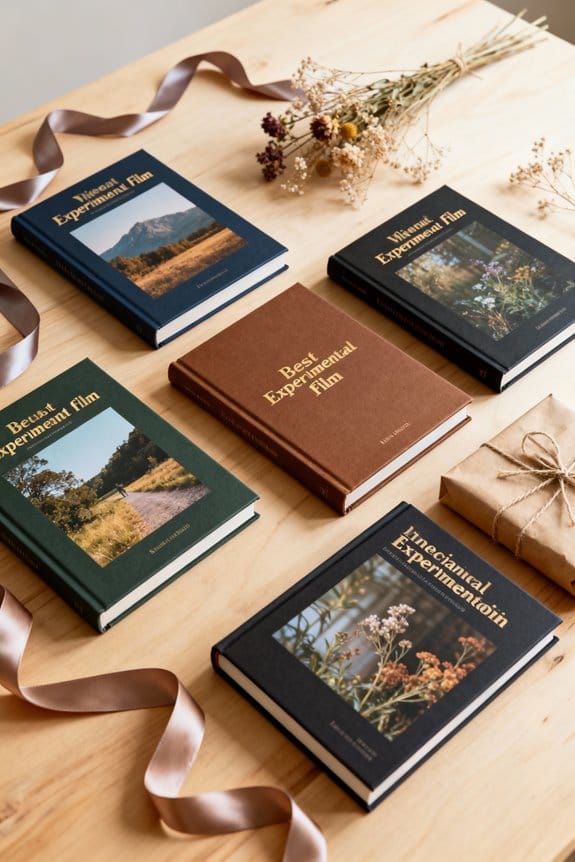
5 Best Experimental Film Books to Expand Your Cinematic Horizons

If you want to stretch your cinematic imagination, check out *Experimental Ethnography*—a visually rich exploration of film’s evolving role in culture—and Focal Press’s *BREAK THE MACHINE*, a 320-page hands-on guide packed with glitch art techniques and filmmaker interviews. For a queer theory twist, *Experimental Film and Queer Materiality* offers sharp cultural insights, while *52 Assignments* sparks creativity with playful photography challenges. Don’t miss *The Short Story of Film* for a colorful intro to key genres. Stick around to uncover even more must-have titles!
Key Takeaways
- “Experimental Ethnography” blends cultural critique and aesthetic analysis, revealing experimental film’s evolving nature and ethnographic storytelling crossover.
- “Experimental Filmmaking: BREAK THE MACHINE” offers practical tutorials and historical context on non-traditional techniques, including glitch art and hand-processing film.
- “Experimental Film and Queer Materiality” explores queer theory in cinema through historical and formal analysis, focusing on non-normative desires and materiality.
- “52 Assignments: Experimental Photography” provides creative prompts combining traditional and modern photography methods to foster experimental visual practices.
- “The Short Story of Film Pocket Guide” delivers accessible, colorful overviews of key genres and techniques, ideal for an engaging cinematic history introduction.
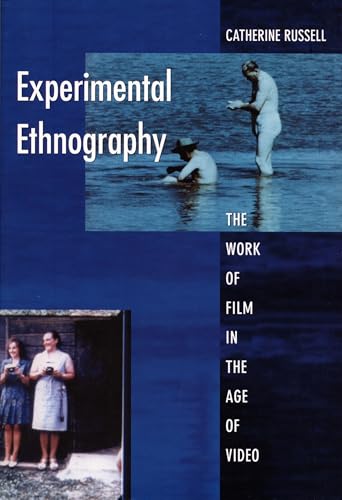
Experimental Ethnography: The Work of Film in the Age of Video
You may be interested
10 Best 3D Printing Books to Master the Art and Technology
August 12, 2024
If you’re fascinated by how film and video blend artistic experimentation with anthropological storytelling, Experimental Ethnography: The Work of Film in the Age of Video is a must-have on your shelf—it brilliantly unpacks this crossover, inviting visual anthropologists and cinephiles alike to rethink traditional boundaries. Catherine Russell dives into the interplay between experimental and ethnographic film, analyzing over thirty-five works from pioneers like Méliès and Rouch. This 256-page paperback from Duke University Press (2010) uses sharp cultural critique alongside aesthetic analysis, revealing how video reshapes film’s nature and challenges assumptions you probably hadn’t even questioned yet—an eye-opening read you’ll appreciate!
Best For: Visual anthropologists, film scholars, and cinephiles interested in the confluence of experimental cinema and ethnographic storytelling.
Pros:
- Offers a deep analysis of over thirty-five historically significant films and videos, providing broad historical context.
- Skillfully blends cultural critique with aesthetic analysis, enriching understanding of film’s evolving nature.
- Challenges conventional distinctions between experimental and ethnographic film, encouraging fresh perspectives in both disciplines.
Cons:
- The academic style and terminology may be dense for casual readers or those new to film studies.
- Focuses heavily on theory and critique, which might be less appealing for readers seeking practical filmmaking advice.
- As a specialized text, its unique subject matter may limit its appeal to a broader general audience.
Experimental Filmmaking: BREAK THE MACHINE
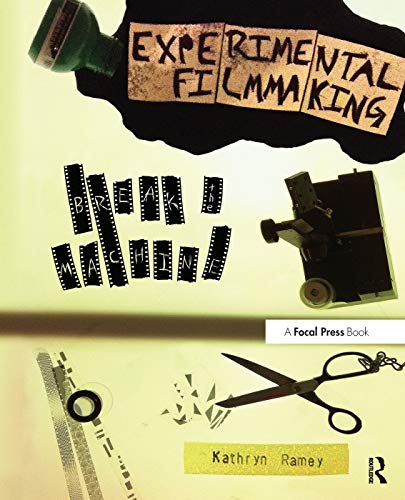
For anyone enthusiastic to plunge into the inventive world of experimental filmmaking, *Experimental Filmmaking: Break the Machine* stands out as an essential, hands-on guide that truly opens the door to imaginative, non-traditional techniques. This 320-page book from Focal Press excels in blending historical context and practical tutorials, showing you how to hand-process film, create glitch art, or build your own microphones. The vivid full-color stills and filmmaker interviews offer inspiring glimpses into the field, while the companion website provides video examples to spark your creativity. It’s a bold invitation to break rules and remake cinema your way!
Best For: Aspiring and experimental filmmakers looking to explore imaginative, hands-on techniques and delve into the history and practice of non-traditional cinema.
Pros:
- Comprehensive step-by-step tutorials on innovative filmmaking methods like hand-processing film and creating glitch art.
- Includes inspiring interviews with contemporary experimental filmmakers offering insights and practical advice.
- Companion website with video examples enhances the learning experience and provides additional creative inspiration.
Cons:
- May be overwhelming for beginners unfamiliar with basic filmmaking concepts due to its in-depth technical focus.
- Heavy emphasis on analog and hand-crafted techniques might not appeal to digital-only filmmakers.
- Limited coverage on digital experimental methods may require supplementary resources for a fully modern approach.
Experimental Film and Queer Materiality
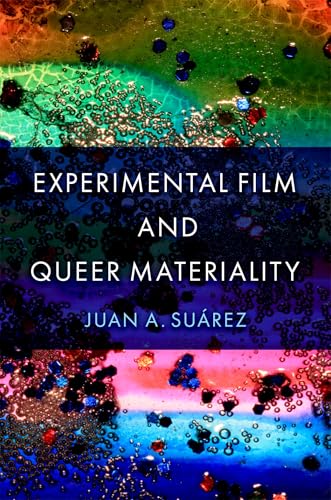

You’ll find Experimental Film Books an absolute gem if you’re curious about how film can blur the line between art and identity, especially through its spotlight on queer materiality—this vibrant concept explores how everyday objects, textures, and spaces carry hidden stories about sexuality and social rebellion. Juan A. Suárez’s 300-page volume from Duke University Press dives into how queer filmmakers like Warhol and Hammer channel plastics, glitter, and urban decay to express non-normative desire, blending history and theory in vivid, approachable ways. This book sharpens your eye for how queerness pulses through matter—truly eye-opening!
Best For: Readers, film enthusiasts, and scholars interested in the intersections of experimental cinema, queer theory, and material culture.
Pros:
- Provides a comprehensive exploration of queer materiality through a diverse array of filmmakers and mediums.
- Blends historical context, formal film analysis, and theoretical insights in an accessible manner.
- Highlights innovative uses of everyday materials and objects to express queerness, enriching understanding of experimental film.
Cons:
- May be dense or challenging for those unfamiliar with queer theory or experimental film terminology.
- Focuses primarily on a niche academic subject, which might limit broader appeal.
- The emphasis on avant-garde materials and aesthetics might not resonate with readers seeking traditional film studies.
52 Assignments: Experimental Photography
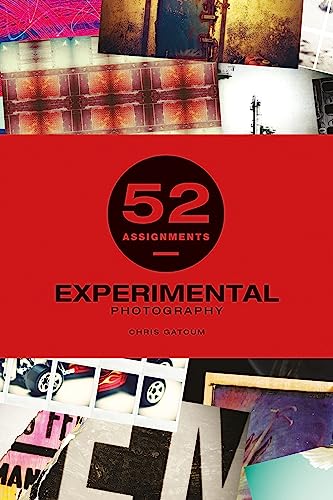
Delving into “52 Assignments: Experimental Photography” really suits photographers keen to break free from conventional shooting routines, as it delivers a year-long creative boost with its vibrant, color-coded missions that spark playful exploration across shooting, processing, and printmaking techniques. You’ll find challenges like hacking vintage film cameras, crafting pinholes, and experimenting with plastic, all designed to push your creative limits. This 200-page guide also mixes traditional and modern methods, from multiple exposures to digital tricks, while offering styled pages to jot reflections, sketches, and technical notes—perfect for anyone wanting a hands-on, immersive approach to photography innovation!
Best For: photographers looking to break from traditional techniques and engage in a year-long creative challenge using both analog and digital experimental methods.
Pros:
- Offers 52 diverse, color-coded assignments that inspire playful experimentation in shooting, processing, and printing.
- Combines both modern digital tricks and traditional film methods to broaden photographic skills.
- Includes styled journal pages for personal reflections, technical notes, sketches, and creative documentation.
Cons:
- May be overwhelming for beginners due to the wide variety of techniques and assignments.
- Requires access to some specialized equipment like vintage cameras or printing tools to fully complete all tasks.
- The year-long commitment might be challenging for photographers seeking quicker results or less time-intensive projects.
The Short Story of Film Pocket Guide to Key Genres and Techniques
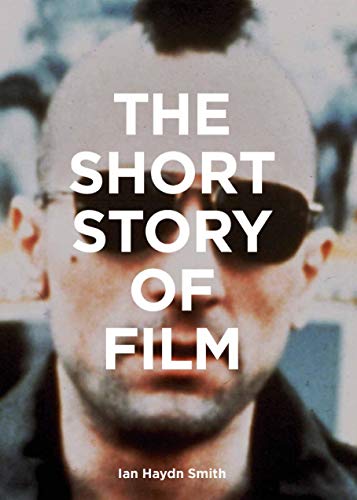
If you’re enthusiastic to deepen your appreciation of movies while cruising through an accessible and engaging format, The Short Story of Film Pocket Guide to Key Genres and Techniques by DK Publishing is an ideal pick, especially since it fuses concise text with colorful visuals across its handy 224 pages, making it perfect for those who want to explore cinematic history without getting bogged down in heavy theory. You’ll plunge into 50 key films spanning superhero blockbusters to indie gems, while learning about major cinematic movements and techniques. This book feels like a fun, well-structured companion that enriches how you watch films!
Best For: movie enthusiasts and beginners looking for an accessible, visually engaging introduction to film genres, techniques, and history.
Pros:
- Combines concise, clear text with colorful visuals for easy understanding
- Covers a broad spectrum of 50 key films across various genres and movements
- Designed for quick navigation, making it fun and engaging to read
Cons:
- May be too basic for advanced film scholars or professionals
- Limited depth on complex cinematic theories and critiques
- Focus on key films may omit lesser-known but important works
Factors to Consider When Choosing Experimental Film Books

When choosing experimental film books, you’ll want to check the author’s expertise and how deeply the book covers both historical context and practical techniques—publishers like University of California Press often deliver solid content with rich visual examples. Look for editions with clear illustrations and thoughtful layouts, usually around 200 to 300 pages, so you’re not overwhelmed but still get a thorough understanding. Trust me, picking a book that balances these factors (without turning into a dry textbook) makes all the difference—it’s like having a savvy guide right on your shelf!
Author Expertise
Although you might be tempted to pick any experimental film book off the shelf, prioritizing author expertise can transform your reading experience, as writers who combine hands-on filmmaking skills with sharp theoretical insights offer a rare blend of practical advice and critical depth. When selecting a book, seek authors who actively participate in the experimental film community or collaborate with filmmakers—they typically capture current trends and fresh perspectives. Checking their past works and academic contributions helps confirm they truly grasp this complex art form. Books published by niche presses often highlight these voices, and those with solid page counts usually explore topics thoroughly. Choosing an expert author means you’re not just reading theory; you’re tapping into real experience that can inspire and improve your own creative projects!
Content Depth
Choosing a book by an author deeply embedded in experimental film sets a fantastic foundation, but the real treasure lies in the content’s richness—something you’ll want to weigh carefully before you commit. You should look for books that explore historical context and theoretical frameworks while still catering to both novices and experienced filmmakers, like “Experimental Cinema: A Movement in Flux” (University of California Press, 320 pages, sturdy hardcover). Those incorporating diverse movements—from avant-garde to postmodern styles—offer a fuller picture of the genre’s evolution. I love when books include interviews with contemporary filmmakers, boosting inspiration with real-world insights. Also, seek out texts exploring themes like cultural critique or materiality; these layers deepen your engagement, making the read both intellectually stimulating and creatively exciting!
Practical Techniques
Since practical know-how is the backbone of experimental filmmaking, you’ll want books that explore hands-on techniques like hand-processing film, direct animation, and optical printing, bringing you clear, step-by-step guidance to really build your skills. Seek out titles that delve into glitch art and sound experimentation, broadening your creative arsenal with fresh, unusual approaches. Look for thorough guides (often around 200-300 pages) blending practical projects, contemporary filmmaker insights, and community-building tips—you’ll find these features invaluable for connecting with like-minded artists and sharing your work. Books from publishers like Focal Press or University presses tend to balance clarity and depth, usually offering rich visuals and assignments that push you beyond traditional methods into digital domains. I’m genuinely excited about how these resources can free your experimental filmmaking—trust me, they’re game changers!
Historical Coverage
If you want to truly grasp experimental film’s rich tapestry, you’ll need books that carefully trace its history through landmark movements, pioneering filmmakers, and evolving aesthetic trends—titles like *Experimental Ethnography* (Duke University Press, 256 pages), which fascinatingly distinguishes experimental from ethnographic film practices dating back to the 1890s, or *Experimental Filmmaking: Break the Machine* (Princeton Architectural Press, 320 pages), providing extensive explorations of innovative techniques across different periods. When choosing your next read, look for works like *Experimental Film and Queer Materiality* (Palgrave Macmillan, 278 pages), which digs into the historical ties between sexuality and material culture in cinema, enriching your understanding of evolving themes. These books don’t just cover history—they analyze how aesthetics and technology shifted, so you’ll see how past moves shape today’s experimental film world!
Visual Examples
You’ve explored how experimental film’s history unfolds through landmark titles like *Experimental Filmmaking: Break the Machine* (Princeton Architectural Press, 320 pages), but now it’s just as exciting to engage with books that bring those artistic techniques and visuals to life. Look for volumes packed with full-color film stills and illustrations, which vividly showcase diverse styles and concepts, making abstract ideas tangible. Companion websites with video clips offer dynamic learning, while visual case studies dissect works from key filmmakers, deepening your appreciation. Books featuring striking graphic design or layouts pull you in, turning complex topics into enjoyable reads. Bonus points go to texts providing hands-on visual assignments that encourage you to experiment yourself—practical projects similar to those in experimental photography books that inspire creativity beyond the page!
Theoretical Insights
While diving into experimental film books, you’ll quickly notice how essential it is to contemplate their theoretical grounding—texts like *Queer Materialities in Avant-Garde Cinema* (Bloomsbury, 280 pages) don’t just explain technique but challenge how we think about sexuality and objects on screen, offering fresh lenses to view everyday materials and experiences. You’ll find that many books explore how experimental and ethnographic films intersect, uncovering how visual anthropology reshapes avant-garde storytelling in exciting ways. Others analyze over thirty-five films to show how history and tech innovations shape experimental aesthetics, helping you appreciate evolving practices deeply. Plus, the focus on dissolving disciplinary boundaries invites you to rethink cultural critique more holistically, which is invaluable—it’s like revealing an advanced toolkit for cinematic understanding!
Audience Focus
Exploring theoretical insights like those in *Queer Materialities in Avant-Garde Cinema* (Bloomsbury, 280 pages) naturally leads you to contemplate who’s reading experimental film books and why—knowing your audience shapes everything from the complexity of ideas to the style of presentation. If you’re an aspiring filmmaker enthusiastic for hands-on techniques, practical guides loaded with step-by-step tutorials and visual examples will excite you, balancing structure with creative freedom. On the other hand, if you’re a scholar or visual anthropologist craving cultural critique paired with aesthetic analysis, books targeting those niches offer profound explorations into experimental and ethnographic film’s intersections. And if identity’s your angle, niche works like Bloomsbury’s volume invite you to explore queer materiality with fresh eyes. Picking a book that matches your background keeps learning both stimulating and accessible!
Supplementary Resources
Supplementary resources in experimental film books can transform your reading into a hands-on adventure, especially when companion websites offer video demonstrations and practical examples that bring abstract concepts to life; for instance, books published by Aperture (often around 200 pages) frequently include interactive elements like tutorial videos and interviews with contemporary filmmakers, making your learning not just theoretical but vividly applicable. When choosing a book, look for ones that provide hands-on tutorials encouraging you to experiment with techniques, boosting your creativity immediately. Community tips and distribution advice also matter—they help you connect with fellow experimental filmmakers and find outlets for your work. Bonus features like sidebar interviews or reflective pages let you dive deeper into trends and document your journey, making the experience both inspiring and personal!
Frequently Asked Questions
How Do Experimental Film Techniques Influence Mainstream Cinema?
You’ll notice experimental film techniques often push mainstream cinema to embrace bold visual storytelling and unconventional editing styles, sparking creativity in directors’ palettes. For example, the ripple effects of non-linear narratives and abstract imagery—championed by avant-garde pioneers—show up in big studio films, adding depth or surreal vibes. Exploring books like “Experimental Cinema” by Scott MacDonald (Duke University Press, 320 pages, sturdy paperback) really reveals how these innovations shape popular film!
What Are Common Challenges Faced by Experimental Filmmakers?
You’ll often face funding difficulties since experimental films don’t fit commercial molds, making backers hesitant. Plus, distribution options are limited, so finding audiences can feel like a treasure hunt. Technical challenges arise too, as you’ll experiment with unconventional methods that need extra patience and skill. But don’t get discouraged! Books like “Film Art: An Introduction” (McGraw-Hill, 528 pages, sturdy hardcover) can guide you through these hurdles with insightful, practical advice.
How Can Beginners Start Creating Experimental Films?
You’ll want to dive right in by experimenting with simple tools like your phone or a basic camera, shooting unconventional angles or textures, and editing using free software. Grab “Experimental Cinema: An Introduction” (Columbia University Press, 240 pages, sturdy paperback) to understand techniques and history—it’s packed with lively examples and practical advice. Start shooting boldly, don’t fear mistakes, and keep exploring new ideas—that’s the heart of experimental film!
Which Film Festivals Showcase Experimental Film Works?
Think of the experimental film festival circuit as a colorful, unpredictable garden, blooming with bold creativity and unconventional storytelling. You should definitely check out events like the Ann Arbor Film Festival (established 1963), the Internationale Kurzfilmtage Oberhausen in Germany, and MIX NYC (focusing on queer experimental work). These festivals often feature avant-garde shorts and installations, giving you fresh inspiration and chances to connect directly with visionary filmmakers. Immerse yourself—your cinematic palette will thank you!
Are There Online Communities for Experimental Film Discussion?
You’ll find vibrant online communities like Reddit’s r/ExperimentalFilm, where passionate cinephiles share rare finds, practical tips, and spirited debates, making it an ideal spot for curious minds. Also, specialized forums like ‘The Experimental Cinema Foundation’ offer rich archives and discussion threads. Joining these is easy—just register, and you’re part of a welcoming space buzzing with fresh perspectives and insider knowledge. Immerse yourself; you’ll love the engagement!