As an Amazon Associate, we earn from qualifying purchases. Some links on this site are affiliate links at no extra cost to you. Our recommendations are based on thorough research and editorial judgment.

The 10 Best Essential Oils Books to Elevate Your Aromatherapy Knowledge

If you’re enthusiastic to boost your aromatherapy skills, check out Frances Raven’s *Essential Oils for First Aid* (a pharmacist-backed, practical guide), Stephanie Ariel’s *Essential Oil Recipes for Home and Body Care* (over 100 toxin-free skincare and cleaning DIYs, Fox Chapel Publishing), and the handy *Essential Oils Recipes: A 52-Card Deck* for quick, interactive blends. These picks blend safety tips, expert advice, and accessible recipes that anyone can enjoy – plus, there’s plenty more expert guidance to uncover.
Key Takeaways
- Top essential oils books include “Essential Oils for First Aid” and “Essential Oil Recipes for Home and Body Care” for practical, everyday use.
- Beginner-friendly guides like “The Beginner’s Guide to Essential Oils” offer understandable oil profiles and recipes for novices.
- Books with safety guidelines ensure effective and secure essential oil use, covering dilution and contraindications for sensitive users.
- Comprehensive references such as “Essential Oils Natural Remedies Complete A-Z” provide broad ailment coverage and oil profiles for all experience levels.
- Interactive tools and engaging approaches, including recipe card decks and workshops, enhance hands-on learning and deepen aromatherapy knowledge.
Essential Oils for First Aid: A Comprehensive Aromatherapy Guide to Healing
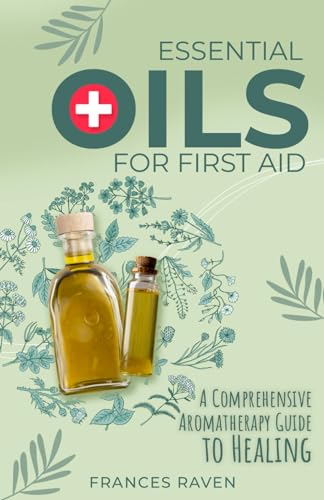

If you’re someone who values natural health solutions and wants to be ready for minor emergencies, then *Essential Oils for First Aid*, a detailed 240-page guide by Frances Raven, is a perfect choice for your collection—it offers practical advice on using ten versatile essential oils, like lavender for soothing burns and tea tree for disinfecting wounds, all presented with expert clarity and real-life application tips that make holistic healing approachable and effective. Raven, a qualified pharmacist, combines her deep knowledge with accessible writing, showing you how to blend oils for everything from bug bites to scrapes, making this book an indispensable tool for your home first aid kit!
Best For: individuals seeking natural, effective first aid solutions and those interested in holistic health and aromatherapy.
Pros:
- Written by a qualified pharmacist, ensuring credible and expert guidance.
- Covers practical uses and blends for ten versatile essential oils.
- Suitable for both beginners and experienced aromatherapists.
Cons:
- May not cover severe medical emergencies requiring professional care.
- Focuses primarily on ten essential oils, limiting variety.
- Requires readers to have or acquire the oils for full practical use.
Essential Oil Recipes for Home and Body Care (Fox Chapel Publishing)
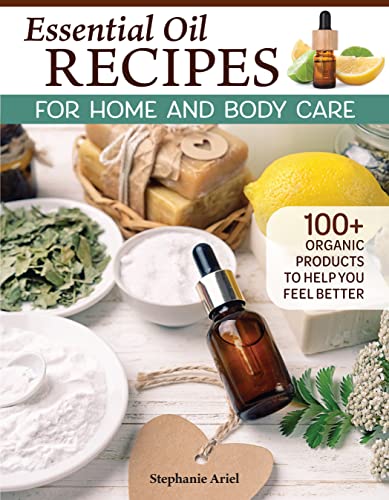
For anyone enthusiastic to immerse themselves in the world of natural self-care, *Essential Oil Recipes for Home and Body Care* from Fox Chapel Publishing is a treasure trove packed with over 100 easy-to-follow recipes that make crafting your own fragrant, healing products both approachable and rewarding. Written by Stephanie Ariel, a certified aromatherapist with two decades of experience, this 224-page guide thoroughly covers essential oil basics and practical blends for skincare, body care, and even household cleaning. With clear instructions and customization tips, it empowers you to create toxin-free, handcrafted essentials that can boost your wellness routine or even inspire small business ideas—truly a must-have for your aromatherapy library!
Best For: Beginners and experienced individuals interested in natural self-care who want a comprehensive, easy-to-follow guide to making toxin-free essential oil products for personal use, gifting, or small business ventures.
Pros:
- Contains over 100 diverse recipes for skincare, body care, and household products with clear instructions and customization tips.
- Authored by a certified aromatherapist with 20 years of experience, ensuring expertise and reliability.
- Includes foundational knowledge and helpful charts for essential oils, making it accessible for all experience levels.
Cons:
- May require sourcing multiple ingredients and essential oils, which could be costly or time-consuming for some users.
- Some recipes might be complex for absolute beginners without prior familiarity with essential oil safety and techniques.
- Limited to essential oil-based products, so users seeking broader natural remedies might find the scope narrow.
Essential Oils Natural Remedies Complete A-Z Reference Book

Those keen to deepen their understanding of natural healing will find the Essential Oils Natural Remedies Complete A-Z Reference Book an invaluable companion, offering a rich blend of accessible guidance and thorough detail whether you’re just starting out or already well-versed in aromatherapy. This extensive guide (published by Storey Publishing) covers over 170 ailments with classic treatments, includes 75 essential oil profiles complete with blending tips and safety notes, and even dives into history and tools. It’s packed with practical advice that empowers you to take charge of your health naturally—a go-to resource that feels like chatting with a seasoned aromatherapy expert!
Best For: Individuals interested in natural healing and aromatherapy, from beginners to experienced practitioners seeking a comprehensive and practical essential oils guide.
Pros:
- Covers over 170 common ailments with practical essential oil treatments.
- Includes detailed profiles of 75 essential oils with blending tips and safety information.
- Provides foundational knowledge on history, tools, and application methods for users at all levels.
Cons:
- May be overwhelming for those looking for very quick or simplified solutions.
- Heavily reliant on essential oils, which may not suit users needing conventional medical treatments.
- Does not provide extensive scientific studies or clinical trials backing the remedies.
Everyday Essential Oils: 300 Reasons to Use Essential Oils Daily
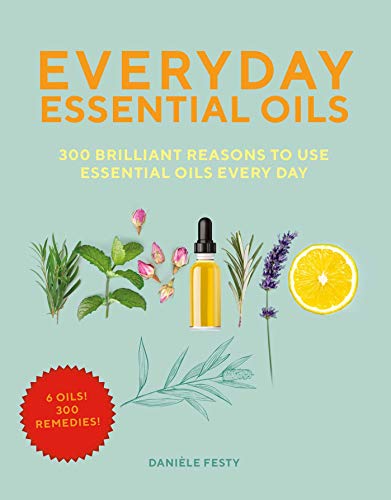
Everyday Essential Oils: 300 Reasons to Use Essential Oils Daily shines as an ideal guide for anyone keen to enrich their lifestyle with natural remedies that genuinely work, especially when you want a compact yet thorough book packed with practical advice and vibrant illustrations. Focusing on six versatile oils like tea tree and Damask rose, it delivers 300 uses spanning health, beauty, gardening, pet care, and eco-friendly cleaning, making it a handy, inspiring resource. Whether you’re battling insomnia or revitalizing your home, this book (a manageable read from publisher Quercus, with vivid layouts) helps you embrace essential oils’ everyday magic confidently and creatively!
Best For: Anyone looking to incorporate natural, versatile, and practical essential oil remedies into daily health, beauty, gardening, pet care, and eco-friendly cleaning routines.
Pros:
- Provides 300 diverse and practical uses centered on six key essential oils, making it accessible and focused.
- Covers a wide range of applications from health and beauty to gardening and housekeeping, offering holistic benefits.
- Compact and visually engaging format with vibrant illustrations enhances ease of use and inspiration.
Cons:
- Focuses only on six essential oils, which might limit options for users seeking a broader variety.
- May lack in-depth scientific explanations or advanced aromatherapy techniques for experienced users.
- Not a substitute for professional medical advice, so users with serious health conditions might need additional resources.
The Green Witch: Complete Guide to Natural Magic
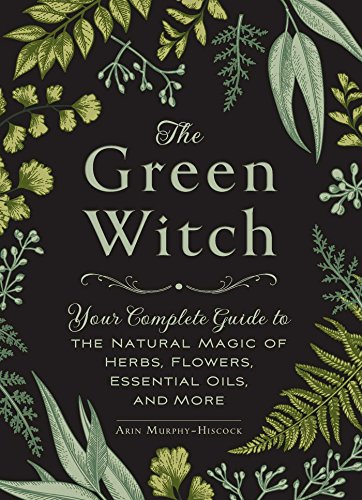
If you’re someone who feels more at home among trees, herbs, and the whispering wind rather than bustling cities, then *The Green Witch: Complete Guide to Natural Magic* by Arin Murphy-Hiscock (published by Llewellyn, 320 pages, softcover with enchanting botanical illustrations) will immediately feel like your kindred spirit. This guide invites you to explore natural magic through herbs, flowers, and essential oils, blending healing with ritual. You’ll find practical recipes for potions and sacred foods, plus clear instructions on connecting deeply with Earth’s elements and energy—perfect for anyone enthusiastic to embrace harmony and personal empowerment through nature!
Best For: Nature lovers, herbalists, and individuals seeking to deepen their connection with natural magic, healing, and Earth-centered spirituality.
Pros:
- Provides clear, practical recipes for potions, herbal blends, and sacred foods.
- Includes easy-to-follow rituals and guidance for communion with nature.
- Beautiful botanical illustrations enhance the reading experience and understanding.
Cons:
- May be less appealing to those unfamiliar with or uninterested in witchcraft or herbalism.
- Focuses mainly on natural magic, which might lack more traditional or diverse magical practices.
- Some readers might find the emphasis on outdoor and nature-based practice limiting if living in urban settings.
Essential Oil Recipes for Home and Body Care (Fox Chapel Publishing)
You’ll find *Essential Oil Recipes for Home and Body Care* (Fox Chapel Publishing) especially valuable if you enjoy hands-on projects that combine natural ingredients with wellness benefits, as it offers over 100 carefully crafted recipes for everything from facial cleansers to immunity boosters, all designed by certified aromatherapist Stephanie Ariel, whose 20 years of experience shines through each page. This 256-page guide feels like a natural extension of Ariel’s expertise with toxin-free products, blending essential oils and botanicals into accessible, detailed recipes, including lip balms and room sprays. It’s perfect for elevating your self-care routine or even starting a small business!
Best For: individuals interested in natural, hands-on self-care projects who want to create homemade essential oil products for personal use or small business ventures.
Pros:
- Offers over 100 detailed, easy-to-follow recipes for a wide range of home and body care products.
- Authored by a certified aromatherapist with 20 years of experience, ensuring expert guidance and safe formulations.
- Includes foundational knowledge on essential oils, application tips, and personalization options to tailor products to individual needs.
Cons:
- May be overwhelming for absolute beginners due to the extensive content and variety of recipes.
- Requires sourcing of various essential oils and natural ingredients, which could be costly or difficult for some users.
- Some recipes might need specialized equipment or ingredients not readily available in all regions.
The Beginner’s Guide to Essential Oils

For those just starting their journey into natural healing, The Beginner’s Guide to Essential Oils offers a perfectly clear and practical introduction, packed with 30 detailed essential oil profiles and 10 carrier oils to safely expand your DIY skills (yes, even if you’re nervous about dilution). This approachable yet thorough guide includes 100 recipes for salves, sprays, and roll-ons, helping you confidently blend remedies for skincare, home cleaning, and wellness. You’ll appreciate the safety tips for pregnancy and kids, too! Published with user-friendly layouts and expert insights, it’s a fantastic resource to elevate your aromatherapy knowledge and kickstart your essential oil adventures.
Best For: Beginners interested in natural healing and aromatherapy who want a comprehensive, safe, and easy-to-follow guide to using essential oils and carrier oils.
Pros:
- Includes 30 detailed essential oil profiles and 10 carrier oils for safe dilution.
- Provides 100 practical recipes covering skincare, home cleaning, and wellness blends.
- Offers clear safety guidelines for pregnancy and children, enhancing user confidence.
Cons:
- May be too basic for advanced users seeking in-depth scientific data.
- Limited to 30 essential oils, which might exclude less common varieties.
- Focused on beginner-friendly content, possibly lacking advanced blending techniques.
The Healing Power of Essential Oils

When you’re enthusiastic to explore natural remedies that gently tackle issues like anxiety, sleep troubles, or even hormonal imbalances, The Healing Power of Essential Oils by Eric Zielinski, D.C., offers a treasure trove of practical wisdom, blending time-tested traditions with modern science in its 256 pages of clear guidance and easy DIY recipes. This book dives deep into essential oils’ healing properties, covering everything from mood boosting to inflammation relief. With actionable blends like Sweet Slumber Diffuser and Citrus-Powered Pain Relief Roll-On, you’ll confidently build daily aromatherapy rituals tailored to your needs. It’s like having your personal wellness coach in a book!
Best For: Individuals seeking natural, evidence-based solutions for anxiety, sleep issues, hormonal imbalances, and overall wellness through easy-to-follow aromatherapy techniques.
Pros:
- Offers a comprehensive blend of traditional and scientific insights into essential oil healing.
- Provides practical DIY recipes that are easy to incorporate into daily routines.
- Authored by a credible expert with extensive research background and holistic health focus.
Cons:
- May require sourcing multiple essential oils, which can be costly or time-consuming.
- Some users might find the herbal or natural aromas overpowering or allergenic.
- Not a substitute for professional medical treatment in severe health conditions.
Essential Oils Recipes: A 52-Card Deck for Healing and Home: 50 Recipes

Essential Oils Recipes: A 52-Card Deck for Healing and Home: 50 Recipes stands out as a perfect choice for those who crave hands-on experimentation with essential oils but want clear, concise guidance to spark creativity—this unique deck from eclectically minded authors Dr. Eric Zielinski and Sabrina Ann Zielinski offers 52 sleek cards, each showcasing a vibrant, easy recipe for everything from soothing sleep blends to natural household cleaners. You’ll find practical, science-backed formulas neatly organized by category, inviting you to master and mix your own synergistic blends while enjoying a visually appealing, durable format that feels just right in your hands!
Best For: Individuals seeking a visually appealing, easy-to-follow essential oil guide with practical, science-backed recipes for healing, home care, and personal experimentation.
Pros:
- Contains 52 vibrant, well-designed cards featuring 50 unique and straightforward essential oil recipes.
- Organized into clear categories like Rest and Relief, Physical Support, Household, and Body Care for targeted use.
- Authored by experts with evidence-based approaches, ensuring trustworthy and cost-effective formulas.
Cons:
- May be less suitable for users who prefer extensive in-depth written guides or detailed scientific explanations.
- Limited to 50 recipes, which might not cover every specific essential oil use some advanced users seek.
- Physical card format could be less convenient for digital-only users or those who prefer an app-based experience.
Essential Oils of the Bible: Connecting God’s Word to Natural Healing

If you’re someone who appreciates blending faith with natural wellness, the book *Essential Oils of the Bible: Connecting God’s Word to Natural Healing* will feel like a treasure trove, especially since it thoughtfully profiles 30 oils mentioned in Scripture, pairing each with medicinal insights, practical uses, and related Bible verses. This 248-page guide (published by Inner Traditions) also offers 150 simple remedies and a handy scriptural reference list, perfectly balancing science with spirituality. I truly love how it connects ancient healing traditions with modern aromatherapy, making it a meaningful resource for anyone enthusiastic to explore essential oils through a faith-based lens!
Best For: those who want to combine their Christian faith with natural healing methods using essential oils grounded in biblical tradition.
Pros:
- Provides detailed profiles of 30 essential oils linked to specific Bible verses, enhancing spiritual connection.
- Includes 150 practical remedies and 75 common uses, making it accessible for everyday health needs.
- Integrates scientific information with spiritual insights for a holistic approach to wellness.
Cons:
- May focus heavily on biblical references, which might not appeal to readers seeking purely scientific or secular essential oil guides.
- Some essential oil suggestions may require careful precautions that beginners could find complex without additional guidance.
- Limited to oils mentioned in the Bible, potentially excluding other beneficial essential oils used in broader aromatherapy practices.
Factors to Consider When Choosing Essential Oils Books
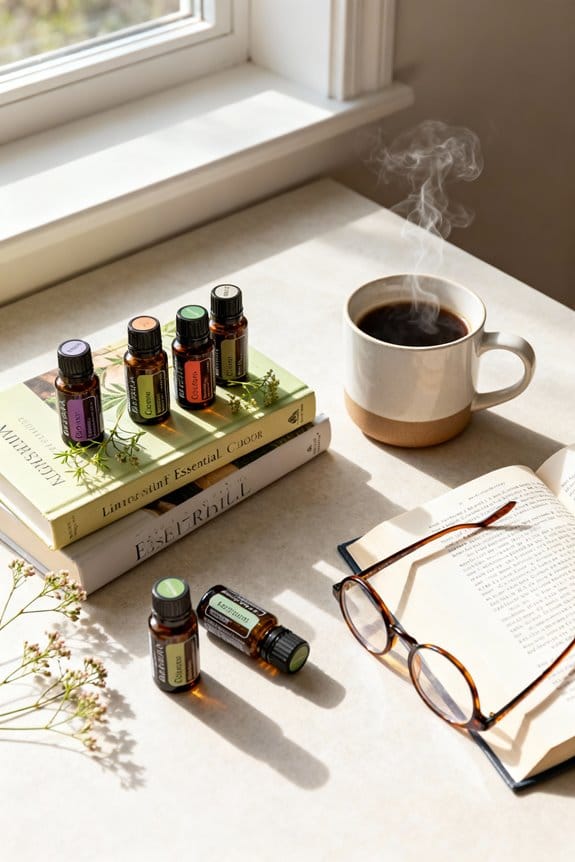
When choosing essential oils books, you’ll want to check the author’s expertise and whether the book covers a broad range of topics or focuses on specific uses, like recipes or therapeutic benefits. Look for books that offer plenty of practical recipes and safety guidelines, especially if you’re just starting out or need detailed instructions tailored to your experience level. I’m excited to recommend well-organized titles from trusted publishers, often around 250 pages, with clear layouts and helpful tips that make using essential oils both safe and fun!
Author Expertise
Choosing the right author can significantly impact how much you get out of an essential oils book, especially since credentials and real-world experience matter so much in this field. When you pick a book, lean toward authors with backgrounds in pharmacy, herbalism, or natural medicine—they bring a scientific, practical edge that makes the info trustworthy and usable. Certified aromatherapists, in particular, show they’ve mastered essential oil properties and applications, which you want for safety and effectiveness. Also, authors experienced in DIY natural products or essential oil businesses offer insider tips and tested recipes that make your journey easier. Before buying, skim reviews or summaries to check if the author’s expertise shines through—this step really helps you avoid fluff and get solid, actionable knowledge from your read!
Scope of Content
Exploring the scope of content in essential oils books can be a real game-changer for your learning experience, as you want to make sure the book covers a broad range of uses—like skincare secrets, household hacks, and medicinal remedies—all in one neat package, preferably with clear oil profiles detailing benefits, application tips, and safety precautions. You’ll also want to check if the book balances beginner-friendly basics with more advanced insights, helping you grow without feeling overwhelmed or bored. Bonus points if it weaves in expert guidance and scientific research, making the advice trustworthy and effective. Books from reputable publishers, often 200+ pages and featuring durable covers, usually pack this kind of thorough content, turning your reading time into a practical, enjoyable aromatherapy adventure—trust me, it’s worth it!
Recipe Variety
A wide collection of recipes can truly elevate your essential oils book, especially when it includes over 100 detailed formulas spanning everything from soothing skincare treatments to effective household cleaners, all organized by clear themes like relaxation, body care, and medicinal uses. When browsing, check if the book offers personalization tips that let you tailor blends to your unique preferences and goals, adding flexibility and creativity to your aromatherapy practice. It’s exciting to find titles that balance practical applications and recipes, so you can confidently integrate oils into daily routines without second-guessing. Plus, books catering to both beginners and advanced users add value by broadening appeal and usability. Look for well-structured, visually clear books that keep you engaged—because the right recipe variety makes all the difference!
Target Audience Level
When looking for just the right essential oils book, knowing where you stand in your aromatherapy journey can make a big difference in finding a title that truly speaks to you. If you’re a beginner, grab a solid, easy-to-follow guide—like the 200-page “Essential Oils for Beginners” by Althea Press—that covers practical applications and simple recipes to build your confidence. For intermediate or advanced readers craving deeper insight, check out thorough texts with extensive oil profiles, therapeutic use cases, and advanced blending techniques, such as Robert Tisserand’s “Essential Oil Safety,” which dives into detailed science and complex applications. Also, consider whether you want a DIY-focused, holistic health book or one that explores oils’ historical and medicinal roles. Tailoring your choice this way guarantees your reading fuels your passion instead of overwhelming you!
Safety Guidelines Included
Since essential oils can be powerful and sometimes tricky to use safely, you’ll want a book that goes beyond just recipes and dives into real safety guidelines—like the 180-page “The Complete Guide to Essential Oils Safety” by Dr. Armin and published by Robert Rose. This kind of book carefully explains proper dilution ratios, helping you avoid skin irritation, especially if you’re working with kids or pregnant loved ones. It also highlights important contraindications for health conditions and medications, so you’re never caught off guard. You’ll find detailed advice on safe application methods—diffusion, topical use, and even ingestion, where appropriate—plus tips on patch testing and storing oils safely. For beginners, clear safety instructions make starting an at-home apothecary straightforward and worry-free. It’s a must-have for confident, smart aromatherapy use!
Practical Application Tips
Although choosing the perfect essential oils book can feel overwhelming, focusing on practical application tips helps you find guides packed with diverse recipes, detailed oil profiles, and clear instructions designed to fit your unique needs—like the well-loved “Essential Oils Desk Reference” (published by Elsevier, over 600 pages!) that breaks down each oil’s uses and safety guidelines while offering step-by-step blending suggestions you’ll actually want to try. When you pick a book, look for ones that explain carrier versus essential oils clearly, include safety pointers, and encourage experimenting with your own blends. Books that provide personalized tips and foundational knowledge make your DIY projects easier, empowering you to confidently create mixtures tailored for health or household needs. This approach keeps aromatherapy exciting and practical every step of the way!
Holistic Health Focus
While exploring essential oils books, you’ll find that those with a strong holistic health focus truly stand out by connecting physical, mental, and spiritual wellness through natural remedies—like the impressive “The Complete Book of Essential Oils and Aromatherapy” by Valerie Ann Worwood (published by New World Library, nearly 600 pages), which dives deep into multifaceted healing applications alongside insightful oil profiles and easy-to-follow DIY recipes. When choosing your next read, prioritize books that explore essential oils’ benefits across various body systems and integrate other holistic practices like herbal medicine or mindfulness. This well-rounded approach not only educates you on specific oils but also empowers you to embrace self-sufficient health care. Books offering practical formulations encourage your hands-on involvement, making your journey with aromatherapy both extensive and deeply rewarding!
Ease of Understanding
Exploring books that connect essential oils to holistic health is a rewarding start, but you’ll really appreciate those that make the subject approachable and clear, especially if you’re just getting your feet wet (or even if you’re a seasoned enthusiast looking to refresh your basics). Choose books with simple language and well-organized explanations that guide you step-by-step through essential oil profiles, benefits, and uses. Practical, easy-to-follow recipes and hands-on applications help cement your understanding, turning theory into practice. Visual aids like charts, tables, and colorful illustrations break down complex info, making it more accessible and enjoyable. A book from a trusted publisher with around 200 pages packed with these elements can transform your aromatherapy journey, building your confidence while keeping things insightful and engaging—essential for any level!
Frequently Asked Questions
Can Essential Oils Be Safely Used During Pregnancy?
You absolutely can use essential oils during pregnancy, but you’ll want to steer clear of certain ones like rosemary or clary sage, which aren’t exactly modern-day allies in this journey. (Think of it as avoiding floppy disks when streaming your favorite tunes.) Grab a current guide like “The Complete Aromatherapy Handbook” by Gill Farrer-Halls—its 256 pages, published by Wordsworth Editions, offer clear safety tips and practical advice you’ll genuinely appreciate!
How Should Essential Oils Be Stored to Maintain Potency?
You should store essential oils in dark glass bottles—like amber or cobalt blue—to protect them from light, which breaks down their potency. Keep them tightly sealed in a cool, dry place (avoid heat and humidity!) because temperature swings can spoil their quality fast. I love “The Complete Book of Essential Oils” (storey publishing, 240 pages, paperback) for its clear tips on preservation that keep oils fresh and effective longer—trust me, it’s a game changer!
Are There Any Pets That Are Sensitive to Certain Essential Oils?
Absolutely, your pets—especially cats and dogs—can be highly sensitive to certain essential oils like tea tree, eucalyptus, and peppermint, which may cause respiratory or skin issues. You’ll want to avoid diffusing or applying these oils around them. For a well-rounded guide, check out “Essential Oils Safety” by Robert Tisserand (published by Elsevier, 400 pages, hardback), which offers thorough insights and precautions to keep your furry friends safe and happy!
What Certifications Should I Look for When Buying Essential Oils?
You’ll want to look for certifications like USDA Organic, which guarantees purity without synthetic pesticides, alongside GC/MS testing reports that prove chemical composition and safety—don’t settle for vague labels alone! Certifications from respected bodies (like the Aromatic Plant Project) show serious quality control, and those little batch numbers? They’re your proof of traceability. Books like “Essential Oils Desk Reference” (publisher Elsevier, 756 pages, hardback) explain these details beautifully, so explore thoroughly and become your own expert!
How Do Essential Oils Interact With Conventional Medications?
You’ll want to know that essential oils can interact with medications by either enhancing or reducing their effects, sometimes causing unwanted side effects or altering how drugs work in your body. It’s vital to consult a healthcare provider before mixing them, especially if you’re on blood thinners or antidepressants. (Yes, even the prettiest bottles can pack a potent punch!) For deeper insight, check out “Essential Oil Safety” by Robert Tisserand, a 400-page, well-illustrated guide from Elsevier!