As an Amazon Associate, we earn from qualifying purchases. Some links on this site are affiliate links at no extra cost to you. Our recommendations are based on thorough research and editorial judgment.


10 Best Carpentry Books for Mastering Woodworking Skills in 2026

If you’re enthusiastic to master woodworking in 2026, grab titles like *The Genius of Japanese Carpentry* (showcasing timeless joinery with rich history) and *Modern Carpentry* by Fine Homebuilding (offering detailed light-frame construction techniques). Don’t miss *The Complete Book of Woodworking* with over 40 projects and clear, step-by-step photos. For precision, *Roof Framer’s Bible* and *Building Stairs* provide invaluable layouts and measurements. Excited to sharpen your skills further? There’s even more craftsmanship wisdom ahead!
Key Takeaways
- Choose carpentry books matching your skill level, from foundational guides for beginners to intricate joinery manuals for advanced woodworkers.
- Look for books offering diverse project types to encourage skill growth and practical woodworking experience.
- Prioritize resources with clear, step-by-step illustrated instructions to simplify complex carpentry techniques.
- Select books covering essential tools, materials, and both traditional and modern woodworking methods.
- Consider specialized texts focused on advanced areas like roof framing, stair construction, or finish carpentry for skill refinement.
The Genius of Japanese Carpentry: Secrets of an Ancient Woodworking Craft


If you’re someone fascinated by woodworking traditions that blend artistry with precision, The Genius of Japanese Carpentry: Secrets of an Ancient Woodworking Craft is a must-have resource that brilliantly captures centuries-old techniques still alive today. This 288-page book by author Azby Brown, published by Tuttle, dives into the restoration of the 1200-year-old Yakushiji monastery using original tools and joinery methods, highlighted by detailed interviews, drawings, and photos. You’ll find yourself marveling at how craftsmen honor nature’s timber growth and craftsmanship philosophy—perfect if you want both inspiration and practical insights wrapped in cultural richness!
Best For: woodworking enthusiasts, architects, and cultural historians interested in traditional Japanese craftsmanship and architectural restoration.
Pros:
- Provides in-depth documentation of authentic Japanese woodworking techniques and philosophy.
- Richly illustrated with original drawings, detailed photographs, and interviews with master craftsmen.
- Highlights the cultural and historical significance of the Yakushiji monastery restoration project.
Cons:
- May be too specialized or technical for casual readers without a background in woodworking or architecture.
- The focus on traditional methods might not appeal to those interested in modern carpentry innovations.
- The detailed restoration narrative could be less engaging for readers seeking a broader cultural history.
Modern Carpentry
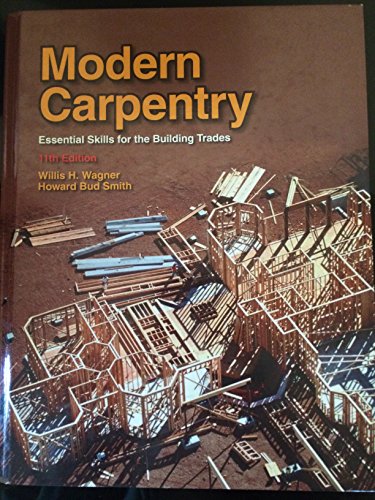
For anyone enthusiastic to master the full spectrum of light frame construction, Modern Carpentry stands out as an indispensable resource, boasting clear, step-by-step instructions paired with detailed illustrations that make even complex building phases—like framing, roofing, and cabinetry—easy to grasp. This hefty yet user-friendly book from Delmar Cengage spans over 600 pages, covering everything from site prep to interior finishes. You’ll appreciate its logical flow and approachable language, plus insightful chapters on specialized topics like solar construction and remodeling. Bonus: career tips and trade profiles make this more than just a manual—it’s a true roadmap for carpentry success!
Best For: Individuals seeking a comprehensive, step-by-step guide to mastering all phases of light frame construction including specialized carpentry topics and career insights.
Pros:
- Covers a complete range of carpentry topics from site preparation to interior finishing with logical sequencing.
- Clear, nontechnical language supported by detailed illustrations enhances understanding.
- Includes specialized sections on advanced topics like solar construction and remodeling as well as career and trade insights.
Cons:
- With over 600 pages, it may be overwhelming for beginners looking for a quick reference.
- Focuses primarily on light frame construction, so may not cover heavier construction methods.
- The breadth of content might require additional hands-on practice beyond the book to fully master skills.
The Complete Book of Woodworking: Step-by-Step Guide and Projects
Sale


The Complete Book of Woodworking: Step-by-Step Guide to Essential Woodworking Skills, Techniques...
- Used Book in Good Condition
A standout feature of The Complete Book of Woodworking: Step-by-Step Guide and Projects is its incredible accessibility for woodworkers at every skill level, making it an ideal choice when you’re ready to dive deep into carpentry with guidance you can trust. This 480-page guide delivers over 40 detailed projects—from sun loungers to mantel clocks—complete with materials lists and clear diagrams. With more than 1,200 photos and illustrations, you won’t get lost in the details. Whether setting up your shop or mastering joints, the expert tips here make learning practical, enjoyable, and endlessly rewarding—seriously, it’s like having a seasoned mentor by your side!
Best For: Woodworkers of all skill levels seeking a comprehensive, visually rich guide to mastering woodworking projects and techniques.
Pros:
- Includes over 40 detailed projects with clear materials lists and step-by-step diagrams.
- Packed with more than 1,200 photographs and illustrations to support learning.
- Offers expert guidance on shop setup, safety, tool use, joints, and finishing.
Cons:
- The extensive content (480 pages) might feel overwhelming for absolute beginners.
- May require access to a wide range of tools and materials for certain projects.
- Limited to woodworking; does not cover other crafting or home improvement skills.
The Complete Book of Woodworking: Step-by-Step Guide with Projects and Tips
Sale
The Complete Book of Woodworking: Step-by-Step Guide to Essential Woodworking Skills, Techniques...
- Used Book in Good Condition
Woodworkers looking to sharpen their skills and explore a wide range of projects will find The Complete Book of Woodworking (published by Creative Homeowner, 480 pages) an absolute treasure, packed with over 1,200 photos and detailed plans for more than 40 indoor and outdoor furnishings. You’ll get step-by-step guidance through projects like chairs, clocks, and sun loungers, all designed to build your confidence and technique. Plus, the expert tips on shop setup, tool use, and finishing touches make this book invaluable for both beginners and seasoned crafters alike. Honestly, it’s like having a patient mentor right on your bookshelf!
Best For: Woodworkers of all experience levels who want a comprehensive, visually rich guide to improve skills and complete a diverse range of woodworking projects.
Pros:
- Contains over 40 detailed woodworking projects suitable for both indoor and outdoor furnishings.
- Features more than 1,200 photos and step-by-step illustrations that enhance learning.
- Provides expert advice on shop setup, tool use, safety, and finishing techniques.
Cons:
- The large page count (480 pages) might be overwhelming for absolute beginners looking for a quick start.
- Projects may require a variety of tools that beginners may not yet own.
- Heavy reliance on photographic guidance might limit detailed textual explanations for advanced techniques.
Roof Framer’s Bible 2nd Edition – Complete Pocket Reference to Roof Framing

If you’re tackling roof framing—whether as a beginner enthusiastic to learn or a seasoned pro aiming to streamline your workflow—the Roof Framer’s Bible 2nd Edition is the perfect companion to have close by. This pocket reference offers exact lengths and cuts for all kinds of roofs, including gable, hip, and even irregular bastard hips, plus handy tables for octagons and hexagons. It eliminates tedious calculations with ready-to-use layouts, detailed bevels, and fascia cuts, and includes illustrated examples that make framing points crystal clear. With its bilingual edition and practical focus, you’ll master complex roofs efficiently—highly recommend keeping this in your toolbox!
Best For: Professional roof framers and beginners seeking a comprehensive, easy-to-use reference for framing all types of roofs, including complex and irregular designs.
Pros:
- Provides exact lengths and cuts for a wide variety of roof types including gable, hip, and irregular bastard hips.
- Includes detailed illustrations, bevels, fascia cuts, and ready-to-use rafter tables to simplify complex calculations.
- Bilingual edition with Spanish translation enhances accessibility for a wider audience.
Cons:
- May be overwhelming for absolute novices without any prior carpentry or framing experience.
- Being a pocket reference, it might not cover advanced engineering principles in depth.
- Physical book format might be less convenient for users preferring digital or app-based tools.
The Woodworking Bible: Step-by-Step Guide to Woodworking and DIY Projects

Perfect for beginners looking to plunge into woodworking with confidence, *The Woodworking Bible: Step-by-Step Guide to Woodworking and DIY Projects* offers clear, accessible instructions alongside essential advice on setting up your workspace and choosing the right tools without overspending. This thorough guide walks you through foundational skills like cutting and finishing, while providing weekend-ready projects supported by detailed schematics, cutting lists, and even 3D drawings, which you’ll absolutely appreciate. Plus, it explores fun techniques like woodburning and even ways to turn your craft into cash, making it a practical, inspiring companion for any new woodworker enthusiastic to create and grow!
Best For: Beginners and hobbyists interested in learning woodworking with clear guidance, practical projects, and opportunities to develop skills and potentially monetize their craft.
Pros:
- Provides step-by-step instructions with detailed schematics and 3D drawings for easy project completion.
- Covers essential woodworking basics and tool selection to avoid overspending.
- Includes creative techniques like woodburning and advice on turning woodworking into a source of income.
Cons:
- May be overwhelming for those seeking only advanced techniques or professional-level projects.
- Limited focus on specialized or highly complex woodworking tasks.
- Weekend-ready projects may not satisfy those wanting longer or more intricate endeavors.
The Very Efficient Carpenter: Basic Framing for Residential Construction
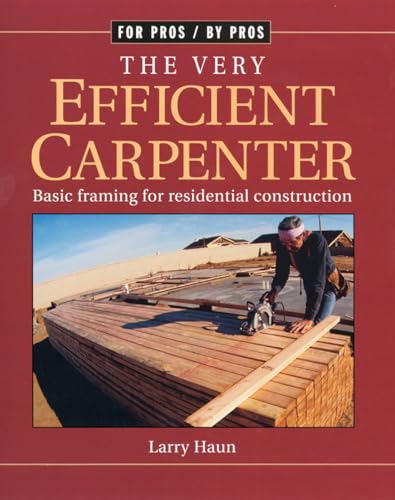
For anyone enthusiastic to take control of their home-building or renovation journey, Larry Haun’s “The Very Efficient Carpenter: Basic Framing for Residential Construction” offers a treasure trove of practical wisdom, packed into a well-organized guide that spans 288 pages and comes from Taunton Press, a trusted name in craftsman literature. You’ll find proven techniques that reduce wasted materials and time, helping you save thousands while mastering every framing step—from selecting lumber and reading plans to raising walls and framing roofs. Haun’s experience shines through, making this a must-have if you want to build like a pro!
Best For: homeowners, DIY enthusiasts, and beginner builders looking to efficiently learn and execute residential framing with professional techniques.
Pros:
- Provides step-by-step, practical instructions that reduce wasted materials and time.
- Covers comprehensive framing topics including floors, walls, roofs, and stairs.
- Authored by an experienced professional with over 35 years in the field, ensuring reliable, tested methods.
Cons:
- Focuses primarily on basic framing, so may not cover advanced or specialized construction techniques.
- Requires some basic tool knowledge; absolute beginners may need additional foundational resources.
- The traditional book format might not include interactive or video content preferred by some learners.
Building Stairs (For Pros by Pros)
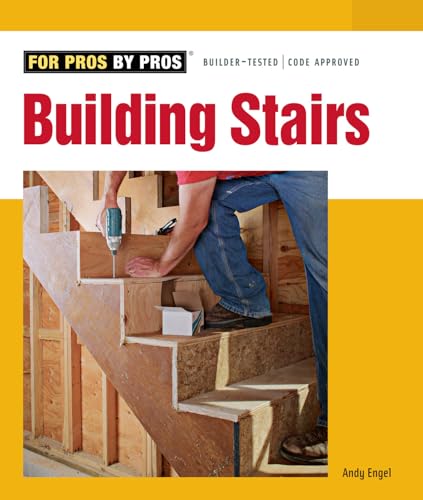
Woodworkers aiming to master stair construction will find Andy Engel’s “Building Stairs” an indispensable guide that speaks directly to pros and determined DIYers alike, offering crystal-clear instructions packed into a sturdy, easy-to-handle volume published by Taunton Press. You’ll explore complete stair layouts, rise and run calculations, and essential construction steps, all broken down with precision to make complex geometry approachable. Engel’s detailed coverage of railing installation guarantees safety and style, while tips on using off-the-shelf parts simplify your process. Filled with helpful illustrations, this 176-page book is a must-have for tackling those challenging stair projects confidently!
Best For: Woodworkers and DIY enthusiasts seeking a clear, professional guide to designing and building sturdy, aesthetically pleasing staircases.
Pros:
- Offers comprehensive, easy-to-understand instructions on stair layout and rise/run calculations.
- Includes detailed guidance on railing installation to enhance safety and style.
- Provides tips on using off-the-shelf parts and rich illustrations to simplify complex concepts.
Cons:
- Primarily focused on wood stairs, which may limit use for builders working with other materials.
- May be too detailed or technical for absolute beginners without any carpentry experience.
- Physical book format means updates require new editions rather than instant digital updates.
Finish Carpentry (For Pros By Pros)
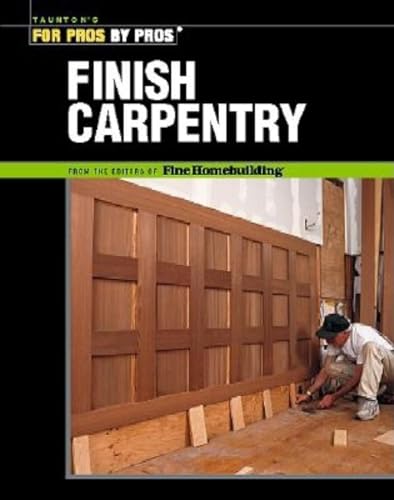
If you’re diving into finish carpentry and want a resource curated specifically by experienced professionals, *Finish Carpentry (For Pros By Pros)*—a carefully selected compilation from Fine Homebuilding magazine’s editors—delivers updated, practical articles that keep you current with best practices, all organized for straightforward reference. This redesigned volume includes new insights from recent issues, making it incredibly relevant for builders and seasoned carpenters alike. You’ll appreciate how each section is thoughtfully arranged by topic, letting you quickly find expert advice that sharpens your skills and streamlines your workflow. It’s a must-have guide to mastering finish work with confidence!
Best For: Builders and professional carpenters looking for an expert-curated, up-to-date resource on finish carpentry techniques and best practices.
Pros:
- Offers expertly selected and updated articles from a reputable industry magazine.
- Organized by topic for quick and easy reference during projects.
- Provides practical insights that enhance skills and improve workflow efficiency.
Cons:
- May be too advanced or detailed for complete beginners in carpentry.
- Primarily focused on finish carpentry, limiting coverage of broader construction topics.
- As a physical or compiled resource, it may not offer the instant searchability of digital formats.
Framing Floors, Walls & Ceilings: Revised and Updated (For Pros by Pros)
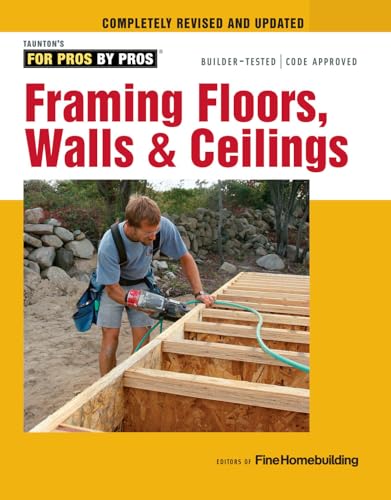
Carpentry enthusiasts who want to elevate their framing game will find *Framing Floors, Walls & Ceilings: Revised and Updated* a must-have, especially since it’s packed with over 350 crisp, full-color photos and 50 detailed illustrations that bring each technique to life. This For Pros by Pros guide arms you with step-by-step instructions—from basic framing to advanced curves and cathedral ceilings—delivered by expert builders who’ve tested every method. It also dives into energy-efficient framing practices and job-site savvy tips, making it an essential companion whether you’re managing a big build or mastering your next DIY project with precision and confidence.
Best For: Professional builders and serious DIY enthusiasts looking to master framing techniques for floors, walls, and ceilings with expert guidance and visual aids.
Pros:
- Includes over 350 full-color photos and 50 detailed illustrations that enhance learning and technique application.
- Covers a wide range of skills from basic framing to advanced techniques like curved walls and cathedral ceilings.
- Provides up-to-date information on energy-efficient framing and practical job-site management tips.
Cons:
- May be too advanced for complete beginners without any framing experience.
- Primarily focused on wood framing, may have limited coverage of alternative materials.
- Detailed content might be overwhelming for casual DIYers seeking only basic framing knowledge.
Factors to Consider When Choosing Carpentry Books
When you’re picking out a carpentry book, you’ll want to make sure it matches your skill level while offering a good mix of projects that spark your creativity. Pay close attention to the quality of illustrations and how well the tools and materials are explained—after all, a 300-page guide from Taunton Press with clear, step-by-step photos beats a dry manual any day! Also, think about whether you prefer traditional joinery techniques or more modern methods, since that choice shapes how you’ll approach your next project with confidence.
Skill Level Appropriateness
Choosing the right carpentry book means matching your current skill level, because whether you’re a complete beginner or a seasoned woodworker, books like “The Complete Manual of Woodworking” by Albert Jackson (published by DK, 400 pages, with full-color photos and diagrams) offer just the right blend of step-by-step instructions and expert tips tailored to your experience. If you’re just starting, seek books that highlight foundational skills, safety, and straightforward projects to build your confidence. On the other hand, more advanced texts explore intricate joinery, design principles, and complex techniques, assuming you already know the basics. Picking a book that respects your skill level keeps you engaged and challenged without frustration—after all, nothing kills enthusiasm faster than a manual that’s either too simple or too complex!
Project Variety Offered
Since a book’s project variety shapes your woodworking journey, it’s essential to pick titles offering a rich mix of plans—from cozy indoor furniture to sturdy outdoor creations and even specialized structures. Look for books like *Woodworking Complete* (Popular Woodworking, 320 pages), which balance beginner-friendly builds and advanced projects with detailed materials lists, letting you grow steadily without hitting a plateau. I love titles that include different difficulty levels and often surprise you with unique designs, so you stay curious and inspired! This variety pushes you to try new styles and techniques, expanding your skills beyond the usual coffee tables or birdhouses. When you find a guide packed with diverse, practical plans, it makes your learning not just educational but genuinely enjoyable—a real game-changer for any woodworking enthusiast!
Illustrated Instruction Quality
Illustrations play an essential role in woodworking books, turning complex carpentry techniques into clear, visual stories that make learning feel like an adventure rather than a chore. When you choose a book, look for ones packed with step-by-step diagrams paired with detailed instructions—they help you avoid confusion and keep projects on track. Annotated photos can be absolute lifesavers for understanding proper tool use and assembly steps (no more guessing or trial-and-error). Books like “Woodworker’s Guide” from Timber Press, with its 250 pages full of precise measurements and layout visuals, really stand out. These graphics aren’t just pretty—they sharpen your skills, whether you’re a newbie or seasoned pro. Trust me, investing in a well-illustrated book sets you up for woodshop success and makes your learning curve way less steep!
Tool and Materials Coverage
A solid carpentry book acts like a trusted toolbox, packed not just with clear instructions but also extensive coverage of the essential tools and materials you’ll encounter, ensuring you’re prepped for any project that comes your way. Look for books that explore both hand and power tools, explaining their uses and care, so you avoid costly mistakes and keep your gear in top shape. A detailed breakdown of wood types and engineered materials helps you choose the right stuff for lasting results, while sections on fasteners and adhesives clarify how to join pieces securely. Bonus points if the book includes sharp illustrations or diagrams—they turn complex info into easy visuals that boost your confidence (and impress your friends). This kind of thoroughness makes learning feel like a real hands-on adventure!
Traditional Versus Modern Techniques
Understanding the tools and materials you’ll use is just the beginning; choosing between traditional and modern carpentry techniques can shape your entire learning journey, especially when picking the right books. For example, “The Genius of Japanese Carpentry” (Kodansha, 280 pages) dives deep into intricate joinery and natural materials, capturing craftsmanship passed down through generations, perfect if you love history and hands-on mentorship. On the other hand, “Modern Carpentry” (Goodheart-Willcox, 750 pages) covers a broad range of efficient, standardized building methods, includes contemporary building codes and energy-saving practices, and emphasizes practical skills for today’s fast-paced construction sites. You’ll find that books on traditional methods focus on artistry and cultural depth, while modern guides prioritize speed, automation, and code compliance—so think about which path excites you most before picking up that book!
Career Advancement Content
Career growth often hinges on the right resources, and many carpentry books go beyond mere techniques by offering dedicated chapters packed with practical career advice and insights into various trades, making them invaluable for anyone serious about advancing in the field. You’ll find titles from publishers like Taunton Press, usually around 300 pages, with sections labeled “On-the-Job” that explore real-world carpentry roles and construction trades, providing eye-opening, career-focused perspectives. These books highlight workforce-ready skills and often introduce cost-saving methods that boost your value on residential framing projects. Plus, they include up-to-date trends like energy-efficient building, essential for landing advanced roles in sustainable construction. Picking a book with this depth guarantees you’re not just learning woodworking – you’re setting a foundation for a thriving, long-term career!
Ease of Language Use
While some carpentry books dive deep into technical jargon meant for seasoned pros, you’ll find many excellent guides that keep language clear and approachable, especially titles from publishers like Taunton Press that often clock in around 250 to 350 pages, featuring step-by-step instructions coupled with helpful diagrams and illustrations to break down complex concepts—making them perfect for beginners keen to build confidence without feeling overwhelmed! When choosing a book, look for ones that explain tools and techniques in simple terms without skimping on detail, so you stay engaged and absorb info more effectively. Visual aids complement the text superbly, easing the learning curve and making woodworking more accessible—great news if you want to focus on crafting skills instead of decoding confusing language (been there!).
Specialty Topics Included
Since your woodworking goals might range from framing walls to crafting intricate staircases or cabinetry, choosing carpentry books that explore specialty topics can seriously boost your skills and project outcomes. Look for titles like “Advanced Framing Techniques” (published by BuildSmart Press, 320 pages, hardcover) that dive deep into energy-efficient framing methods—crucial for modern builds. Books covering finish carpentry or remodeling, offering step-by-step guides suitable from beginner to advanced levels, really broaden your skill set. I love how some include detailed joinery instructions alongside practical insights on cabinetry, which means you’re not just learning theory but gaining usable, project-ready advice. Picking resources that walk you through every construction phase—from site prep to final touches—ensures you master the whole journey. Trust me, specialty topics can make your projects not just better, but a lot more fun!
Frequently Asked Questions
What Essential Tools Should Beginners Have for Woodworking?
You absolutely need a quality claw hammer, a tape measure that fastens (I recommend the 25-foot Stanley FatMax), and a combination square for precise angles. Don’t forget a handsaw with comfortable grips and sharp teeth, plus a cordless drill—BatteryLife by DeWalt lasts through serious projects. It’s exciting to gather these essentials because with each tool, you’re releasing potential and mastering your craft step by step (trust me, that moment never gets old)!
How Do I Maintain and Sharpen Woodworking Tools?
You maintain and sharpen woodworking tools by regularly cleaning blades and using whetstones or diamond files to hone edges—consistent care keeps your tools precise and safe! I’m loving “The Complete Manual of Woodworking” by Albert Jackson (DK Publishing, 512 pages), which offers detailed, easy-to-follow sharpening techniques with photos that make the process irresistible (yes, even for you!). Keep tools dry, oil moving parts, and store them carefully; it’s a game-changer!
Are There Woodworking Books Focused on Eco-Friendly Materials?
Absolutely, you’ll love “Eco Woodworking” by L. Sanders (Green Leaf Press, 224 pages, sturdy hardcover), which highlights sustainable materials and low-impact finishes for your projects. Did you know 40% of wood waste can be reused? This book dives into sourcing reclaimed wood and natural adhesives, all in a clear, engaging style that’ll elevate your eco-conscious carpentry game. It’s a treasure for anyone enthusiastic to build greener, smarter, and with style!
What Safety Tips Are Crucial for Novice Carpenters?
You’ve got to always wear eye protection and sturdy gloves, since flying debris and sharp tools like saws can seriously hurt! Keep your workspace clean and well-lit (no shadows hiding hazards), and never rush—accurate measuring and steady cutting keep accidents at bay. Grab “The Complete Manual of Woodworking” by Albert Jackson (Firefly Books, 400 pages, full-color photos) for detailed, safety-oriented tips that’ll boost your confidence and skills!
How Can I Create a Woodworking Workshop at Home?
Think of your woodworking workshop as a cozy nest where raw wood turns into art—you’ll want sturdy workbenches, proper lighting, and good ventilation to keep dust at bay. Start small with essential tools like a saw, clamps, and a trusty hammer. For detailed guidance, check “The Complete Manual of Woodworking” (Reader’s Digest, 512 pages, hardcover)—it’s packed with tips and clear photos to get you crafting confidently in no time!