As an Amazon Associate, we earn from qualifying purchases. Some links on this site are affiliate links at no extra cost to you. Our recommendations are based on thorough research and editorial judgment.

5 Best Adventure Photography Books to Inspire Your Next Expedition

If you crave epic visuals and real stories, start with Corey Rich’s *Stories Behind the Images*—full of adventure and climbing tales, perfect for blending passion with practical tips. Clark Little’s *The Art of Waves* (over 150 stunning ocean shots) captures nature’s raw power, while *100 Nights of a Lifetime* takes you global with breathtaking nocturnal escapades. For lush escapes, *Adventures in Eden* tours Europe’s private gardens. Finally, *Destinations of a Lifetime* offers 225 awe-inspiring global spots with insider travel tips. Ready for more inspiration?
Key Takeaways
- Corey Rich’s “Stories Behind the Images” offers inspiring adventure photography tales and expert tips from iconic expeditions like the Dawn Wall ascent.
- Clark Little’s “The Art of Waves” showcases powerful ocean wave imagery with technical insights, ideal for those drawn to sea and surf adventure photography.
- “100 Nights of a Lifetime” presents diverse global nighttime adventures, blending cultural and natural phenomena with stunning visual storytelling.
- Books blending technical guidance with artistic vision, like Lonely Planet’s detailed photography volumes, help develop both skills and creative perspectives.
- Choose adventure photography books aligned with your interest and experience level to gain practical insights and inspiring personal stories from seasoned pros.
Stories Behind the Images: Lessons from a Life in Adventure Photography

You may be interested

10 Best 3D Printing Books to Master the Art and Technology
August 12, 2024


If you’re someone who’s fascinated not just by breathtaking outdoor images but also the stories, struggles, and strategies behind capturing them, Corey Rich’s *Stories Behind the Images: Lessons from a Life in Adventure Photography* is a must-have. This 2019 Fast Company pick dives into Rich’s two decades of experience, sharing firsthand tales from iconic shoots—including the Dawn Wall ascent—and the secrets behind photographing adventurers like Alex Honnold and Beth Rodden. With practical tips, business insights, and thoughtful reflections on human nature, this 236-page volume, published by Rocky Nook, feels like a masterclass you can hold in your hands.
Best For: Photography enthusiasts and adventure lovers seeking inspiration and practical advice from a seasoned professional’s experience capturing iconic outdoor moments.
Pros:
- Offers firsthand stories and strategies from over two decades of adventure photography.
- Includes practical tips and business insights valuable to aspiring photographers.
- Features compelling reflections on human nature and the challenges of photographing extreme sports.
Cons:
- Focuses primarily on adventure photography, which may not appeal to those interested in other genres.
- Contains niche content that might be less relevant for casual readers seeking purely visual inspiration.
- Some readers may prefer more technical depth rather than narrative and philosophical reflections.
Clark Little: The Art of Waves


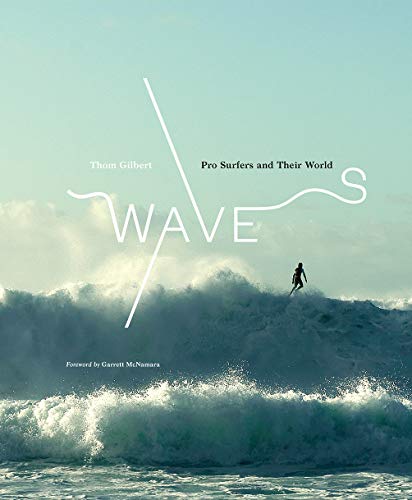
Adventure photography fans who crave an up-close look at nature’s raw power will find Clark Little: The Art of Waves an exhilarating choice, especially since Clark dives right inside breaking waves to capture stunning, crystal-clear images that few dare to risk. This 176-page book from Rizzoli features over 150 breathtaking shots—many unpublished—alongside essays by Jamie Brisick explaining Little’s innovative techniques and wave formation science. You’ll also find riveting afterwords by Clark himself plus inspiring forewords from Kelly Slater and Jack Johnson. It’s packed with awe-inspiring Hawaiian waves and marine life, presenting the beauty and danger of the ocean like never before!
Best For: Adventure photography enthusiasts and ocean lovers seeking a rare, immersive glimpse into the powerful beauty of breaking waves and marine life.
Pros:
- Over 150 stunning high-quality photographs, many unpublished, showcasing unique perspectives inside breaking waves.
- Insightful essays and afterwords provide educational context on wave formation and photography techniques.
- Includes inspiring forewords from celebrated figures Kelly Slater and Jack Johnson, adding credibility and appeal.
Cons:
- The book’s focus on Hawaii may limit the diversity of wave locations for some readers.
- Could be intense or overwhelming for casual readers uncomfortable with the ocean’s dangers highlighted.
- High-quality coffee table book format may be costly or less portable for some buyers.
Recommended Products

100 Nights of a Lifetime: The World’s Ultimate Adventures After Dark
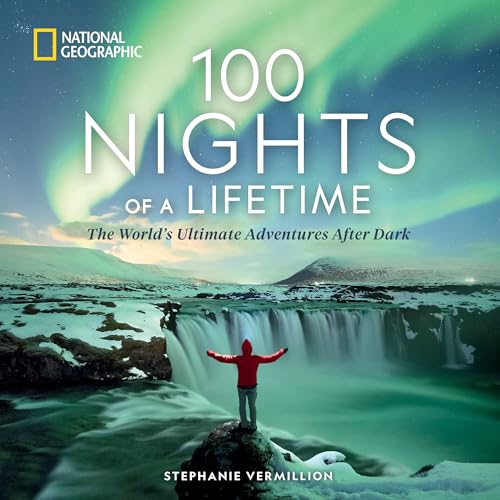
For those who crave unforgettable nighttime escapades that blend culture, nature, and a hint of mystery, Nights of a Lifetime: The World’s Ultimate Adventures After Dark offers a rich, vibrant collection of 100 experiences across more than 30 countries. This 320-page hardbound from National Geographic beautifully captures adventures like kayaking in Puerto Rico’s glowing bioluminescent bay or snorkeling with manta rays off Hawai’i’s Kona coast. Whether you’re chasing the aurora in Norway, joining Thailand’s Loy Krathong Festival, or stargazing in the Sahara, this book lights your path to epic after-dark explorations, perfect for igniting your next adventure!
Best For: Adventure seekers and travel enthusiasts looking for unique, culturally rich, and nature-inspired nighttime experiences around the world.
Pros:
- Offers a diverse range of 100 unforgettable nighttime adventures across more than 30 countries.
- Combines cultural festivals, wildlife encounters, and natural phenomena, catering to different interests.
- Beautifully illustrated 320-page hardbound format, providing inspiration and practical ideas for after-dark explorations.
Cons:
- Experiences may require travel to remote or specific destinations, which can be costly and time-consuming.
- Some adventures may be seasonal or weather-dependent, limiting availability.
- Not focused on daytime activities, so might not appeal to those seeking a broader travel guide.
Recommended Products

Scratch Off A Mystery Date Night - 40 unique and creative couples activities will turn boring date nights into a thing of the past. Your next date will remain a mystery until you scratch off and once you scratch off an adventure, you must complete it. No takebacks! Are you up for this challenge?


Adventures in Eden: An Intimate Tour of the Private Gardens of Europe

You’ll love Adventures in Eden: An Intimate Tour of the Private Gardens of Europe if you crave insider access to enchanting, rarely seen landscapes that wander beyond typical travel guides, delivering vivid stories and images of fifty secluded gardens from Mallorca’s white-blooming rooms to Scotland’s surreal Garden of Cosmic Speculation. This beautifully illustrated book, spanning over 250 glossy pages and published by GreenLeaf Press, invites you to explore private gardens designed by luminaries like Tom Stuart-Smith. Each garden reveals owner secrets and rich histories, perfect if you seek inspiration for your own oasis or simply want a soothing armchair adventure!
Best For: armchair travelers and gardening enthusiasts seeking intimate access and inspiration from exclusive private gardens across Europe.
Pros:
- Features fifty rare and private gardens with vivid stories and elegant photography.
- Showcases works by renowned garden designers, offering expert inspiration.
- Provides rich owner profiles and garden histories adding personal depth and intrigue.
Cons:
- May not appeal to those seeking practical gardening advice rather than artistic inspiration.
- Limited to European gardens, potentially less relevant for readers interested in other regions.
- High-quality glossy edition might be costly or less portable for casual browsing.
Recommended Products



Destinations of a Lifetime: 225 of the World’s Most Amazing Places

If you crave a vibrant mix of breathtaking photography and practical travel wisdom, “Destinations of a Lifetime: 225 of the World’s Most Amazing Places” is a must-have coffee table book that promises hours of inspiration and planning aid, featuring over 250 stunning images and insightful tidbits about each locale. You’ll explore natural wonders like South Dakota’s Badlands and Peru’s bird-rich Manu National Park, delve into cultural gems such as Gaudí’s La Sagrada Família, and discover coastal paradises like Nova Scotia’s rugged shores. This 496-page Taschen publication is packed with itinerary tips and enthralling histories, making it perfect for your next big adventure!
Best For: travel enthusiasts and armchair travelers seeking inspiration and practical tips for exploring some of the world’s most stunning natural, cultural, and coastal destinations.
Pros:
- Features over 250 breathtaking photographs that vividly showcase each destination.
- Provides practical travel tips and itinerary suggestions for effective trip planning.
- Covers a diverse range of places including natural wonders, cultural landmarks, and coastal gems.
Cons:
- The large 496-page format may be bulky for casual reading or travel use.
- As a coffee table book, it may offer limited in-depth practical information for some seasoned travelers.
- Focus on broad coverage means some destinations might receive only brief descriptions.
Recommended Products


Length: 13.75in / 35cm, Height: 10.75in / 27cm
Factors to Consider When Choosing Adventure Photography Books
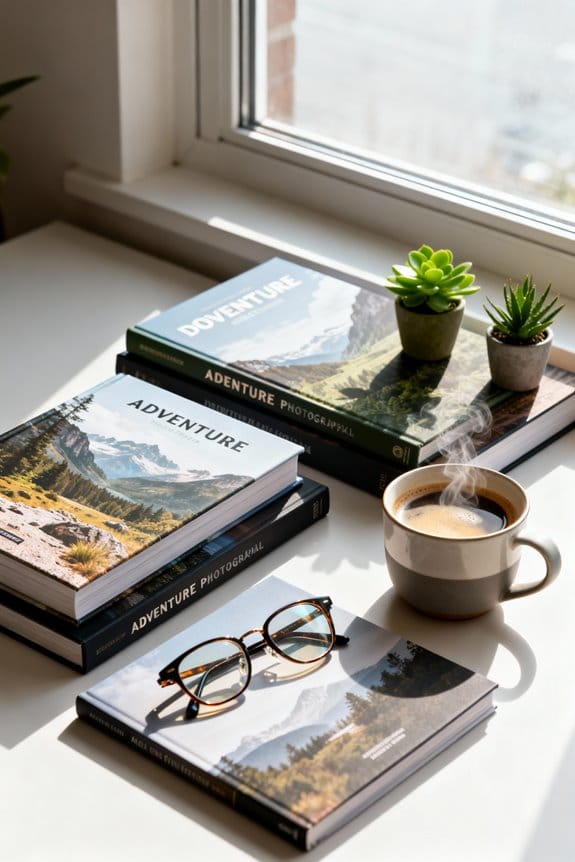
When picking your next adventure photography book, you’ll want to take into account the photographer’s experience level and whether the subject matter matches your interests—whether it’s rugged mountains or vibrant wildlife. Look for a balance of technical tips and creative inspiration, along with a visual style that really speaks to you (because sometimes, a book with striking layouts, like those from Lonely Planet’s 250-page editions, can make all the difference). Don’t forget to check if the book offers extra resources—like tutorials or gear guides—that can boost your skills and fuel your next outdoor photo quest!
Recommended Products

Specifications: 8.66 x 7.67 x 0.9 inches adventure scrapbook with 73 sheets/146 pages, 1 photo album, 1 gift box, bookmark cards, and stickers for travel memories, notes, and photos.


Photographer’s Experience Level
Although adventure photography books cover a vast range of themes, paying close attention to the photographer’s experience level can dramatically influence how much you get out of a book—especially titles like Chris Burkard’s “California Surf,” published by Chronicle Books (144 pages, glossy, full-color), which effortlessly blends technical insights with breathtaking storytelling from a seasoned pro. When you choose books by photographers with decades of experience, you gain access to a variety of techniques and evolving artistic styles that reflect true growth. Established photographers often have impressive portfolios and industry recognition, adding credibility and depth to their advice. By understanding their career milestones, you can better gauge how relevant their tips are for your own journey, making your learning experience richer and more practical.
Subject Matter Focus
Beyond understanding a photographer’s experience level, leaning into the subject matter focus of adventure photography books can seriously shape your collection—and your creative inspiration! You’ll want books that highlight subjects you’re passionate about, whether that’s adrenaline-fueled athletes, breathtaking landscapes, or vibrant cultural events. Check if the book spotlights unique environments—like turbulent underwater waves or remote arctic tundras—to discover fresh, enchanting perspectives. I love when books mix varied subjects, from wildlife to colorful festivals, giving you a broad appreciation of the genre. Also, personal stories from photographers enrich your reading, revealing challenges and artistry behind each shot. Don’t forget to explore collections that cover ecosystems or regions you dream of exploring; this keeps your adventurous spirit alive while grounding your passion in real-world places!
Technical and Artistic Balance
Since capturing adventure photography involves both technical skill and artistic vision, you’ll want books that balance practical guidance with creative inspiration—like the stunningly detailed *Into the Wild Lens* by National Geographic (224 pages, hardcover with vivid, glossy prints) that dives into camera settings, lighting tricks, and composition wisdom while sharing personal stories from photographers braving extreme conditions. When choosing your next read, focus on how well the book meshes crisp, high-quality images with clear explanations of the techniques behind them, giving you both inspiration and know-how. Bonus points if it includes essays or interviews where photographers reveal their artistic philosophies and field experiences, creating a rich connection between technical mastery and visual storytelling. This balance transforms your learning into a fuller, more exciting adventure!
Visual and Narrative Style
Visual and narrative style play a huge role when you pick adventure photography books, shaping how you experience each breathtaking image and story woven together. You’ll want books that showcase a compelling visual style—whether it’s adrenaline-fueled action shots or tranquil landscapes—that instantly pull you in. Pay attention to vibrant color use and dynamic composition, as these elements keep the pages alive and memorable. Also, seek out titles that offer personal stories or insightful narratives alongside the photos; these connections deepen your appreciation for the journey behind each shot. I’m a big fan of those that include behind-the-scenes details or photographer techniques, too, since they reveal the gritty reality of adventure photography. This blend makes every book feel like a vivid, inspiring expedition you can join from your couch!
Additional Learning Resources
When you’re choosing adventure photography books, it’s worth seeking out those packed with practical tips and fascinating behind-the-scenes stories, like the 250-page “Into the Wild Lens” from National Geographic, which not only dazzles with vivid images but also gives you real insight into the challenges and business side of capturing outdoor thrills. Look for titles that include interviews or essays revealing techniques used by top photographers—they enrich your understanding of composition and light in wild settings. Many books also offer commentary connecting human experiences with nature, which encourages reflection beyond just framing a shot. Accompanying expert insights deepen your appreciation of the art, showing how perseverance and creativity blend. These layered resources make your learning curve less steep—and seriously inspire your next expedition!
Frequently Asked Questions
What Camera Gear Is Best for Adventure Photography Beginners?
You’ll want to start with a lightweight mirrorless camera, like the Sony a6400, which combines portability, fast autofocus, and solid image quality without breaking the bank. Pair it with a versatile zoom lens (16-70mm) to cover wide landscapes and close-ups easily. Don’t forget a durable, weather-sealed camera bag for protection and extra batteries, since adventures can be long and unpredictable! This setup lets you capture your journey without feeling slowed down—exciting, right?
How Do I Protect My Equipment in Extreme Weather Conditions?
You’ll want weather-sealed camera gear, sturdy protective cases like Pelican’s rugged, waterproof options, and plenty of silica gel packs to keep moisture at bay. I swear by snug lens hoods to shield your glass from rain or snow, and always carry a microfiber cloth for quick wipes. For freezing temps, keep batteries warm in inner pockets—they drain fast! Layering your gear smartly guarantees your equipment stays safe, letting you focus on capturing killer shots!
Are There Digital Versions of These Adventure Photography Books Available?
Yes, you’ll be thrilled to know most top adventure photography books, like “Peak: Landscapes and the Man That Made Them” (published by Aperture, roughly 200 pages), come in handy digital versions, often on Kindle or Apple Books. These editions retain high-res images and interactive features, making them perfect for your tablet or phone during expeditions. Honestly, having that instant access feels like carrying a mini-gallery in your backpack—super practical and inspiring!
How Can I Improve My Editing Skills for Adventure Photos?
You can boost your editing skills by diving into Adobe Lightroom tutorials, which offer step-by-step guides to enhance colors and shadows, making your adventure shots pop. Also, grab “The Adobe Lightroom Classic CC Book” (by Martin Evening, 400 pages, Peachpit Press)—it’s detailed, practical, and full of insider tips. Don’t forget to practice consistently, experiment with presets, and review your work critically; every tweak sharpens your style and workflow!
What Safety Tips Should I Follow While Shooting Remote Locations?
You should always carry a reliable GPS device, extra batteries, and a first-aid kit (not just band-aids, but real gear), because in remote spots, help isn’t just around the corner. Dress in layers to adapt to sudden weather shifts, and never forget to tell someone your itinerary—trust me, it’s a lifesaver. Also, check local wildlife info beforehand to avoid dangerous encounters, and stay hydrated—dehydration sneaks up fast during long shoots!