As an Amazon Associate, we earn from qualifying purchases. Some links on this site are affiliate links at no extra cost to you. Our recommendations are based on thorough research and editorial judgment.

10 Best Fashion History Books That Every Style Enthusiast Should Read

If you’re passionate about style, you’ll love *Dress Codes* (Princeton University Press, 288 pages) for its sharp take on how fashion laws shaped society, or *What People Wore When* (400 pages, stunning illustrations) to visually explore costumes from ancient times through the 19th century. *Dress Me Rococo* (Thames & Hudson) ties historic elegance to modern flair, while the *Little Guides to Style* sets let you immerse yourself in iconic designers. There are enchanting picks like *Whispers of Fashion* and *Vogue: The Editor’s Eye* to inspire! Keep going—there’s plenty more fashion history gems to uncover!
Key Takeaways
- Essential fashion history books combine richly illustrated visuals with expert analysis to trace style evolution across centuries and cultures.
- Titles like *What People Wore When* and *Fashion: A History from the 18th to the 20th Century* offer comprehensive, chronological insights into costume.
- Books focusing on iconic designers or periods, such as *Dress Me Rococo* and the *Little Guides to Style* series, illuminate key influences and trends.
- Works like *Dress Codes* explore the social and legal impact of fashion, adding depth to historical and cultural understanding.
- Interactive and creative formats, including *Whispers of Fashion* coloring book, engage readers while exploring women’s 20th-century styles.
Dress Codes: How the Laws of Fashion Made History

You may be interested

10 Best 3D Printing Books to Master the Art and Technology
August 12, 2024


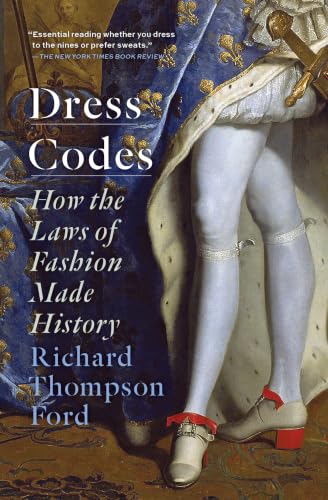
If you’re fascinated by how something as everyday as clothing can carry centuries of social power and legal control, *Dress Codes: How the Laws of Fashion Made History* is an essential read packed with eye-opening insights. Richard Thompson Ford’s 288-page exploration, published by Princeton University Press, unpacks how dress codes shaped social hierarchies from Tudor England’s velvet restrictions to the 1920s flapper bans. You’ll discover how laws controlled expression and reinforced status—and how these rules still impact us today in ways you might not expect. It’s a vivid, compelling journey that changes how you’ll see your own wardrobe choices forever!
Best For: History enthusiasts, social scientists, fashion scholars, and readers interested in the intersection of law, culture, and fashion.
Pros:
- Provides a comprehensive historical overview linking dress codes to societal power structures.
- Offers insightful analysis on contemporary dress code implications and gender dynamics.
- Engages readers with vivid narratives that change perceptions of everyday fashion.
Cons:
- May be dense for casual readers unfamiliar with legal or historical jargon.
- Focuses heavily on Western fashion history, potentially underrepresenting other cultures.
- Some readers might find the 288-page length challenging for a single read.
What People Wore When: Illustrated History of Costume from Ancient to 19th Century

For anyone fascinated by the way clothing shaped identities across centuries, *What People Wore When: Illustrated History of Costume from Ancient to 19th Century* stands out as an invaluable treasure trove, combining stunning artwork inspired by Auguste Racinet and Friedrich Hottenroth with detailed, expert commentary that brings fashion’s evolution vividly to life. This 400-page hardcover guides you chronologically through styles from all social classes, featuring silhouettes and cross-references that reveal recurring motifs. The book’s glossary and annotations deepen your understanding, making it perfect for illustrators, historians, or style enthusiasts craving an accurate, richly illustrated survey of historical dress!
Best For: Illustrators, historians, students, and fashion enthusiasts seeking a detailed, visually rich resource on costume history from ancient times to the 19th century.
Pros:
- Combines authoritative expert commentary with unique illustrations from renowned sources.
- Organized with navigational aids like silhouettes, cross-references, and glossary for easy study.
- Covers fashion evolution across all social classes, providing comprehensive historical context.
Cons:
- Focus limited to up to the 19th century, excluding modern costume developments.
- Hardcover format may be bulky for casual readers or travel use.
- Highly detailed content might be overwhelming for casual fashion readers looking for a quick overview.
Recommended Products


Dress Me Rococo: Women Fashion History and Modern Times (Style and Fashion Books)
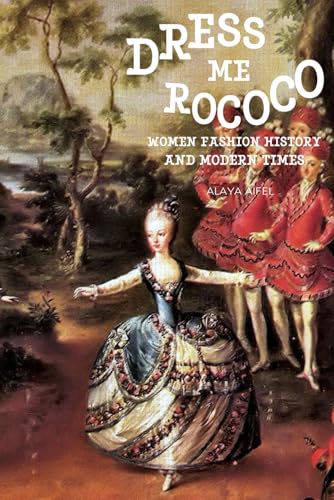
Anyone curious about how Rococo’s delicate whimsy and artistic flair still echo in today’s styles will find *Dress Me Rococo: Women Fashion History and Modern Times* an absolute gem, published by Thames & Hudson with a generous 256 glossy pages that beautifully marry historical analysis with vivid visuals. You’ll explore Queen Marie Antoinette’s iconic influence, intricate Watteau pleats, and the porcelain-doll elegance of 18th-century fashion icons, all while tracing Rococo’s cultural shifts and modern echoes. This book masterfully connects past beauty with today’s trends, offering you inspiration wrapped in history and glamour—perfect for every style enthusiast keen to dive deeper!
Best For: Fashion enthusiasts and history buffs interested in the elegant and playful Rococo style and its influence on modern fashion.
Pros:
- Offers a detailed exploration of Queen Marie Antoinette’s iconic fashion influence and 18th-century fashion icons.
- Features rich visuals and historical analysis spanning 256 glossy pages.
- Connects Rococo’s cultural shifts and fashion innovations with contemporary style trends.
Cons:
- May be too specialized for readers with a casual interest in fashion.
- Focuses primarily on women’s fashion, which might limit appeal for those interested in broader fashion history.
- The historical detail and artistic terminology may require some prior knowledge or strong interest to fully appreciate.
Recommended Products


Little Guides to Style Collection: The History of Eight Fashion Icons

Collectors and fashion enthusiasts will absolutely love the Little Guides to Style Collection, a beautifully curated set of eight pocket-sized books that explore the intriguing histories of legendary fashion icons like Chanel, Dior, and Prada. This luxe boxset includes gems such as The Little Book of Gucci and The Little Book of Hermès, each packed with rich stories and glossy images that celebrate the brands’ bold legacies. Perfectly sized for quick reads or coffee table flair, these books reveal how these designers shaped fashion history, making it an irresistible treasure for any style lover keen to deepen their chic knowledge!
Best For: fashion enthusiasts, collectors, and anyone looking to explore the rich histories of iconic luxury fashion houses in a compact, stylish format.
Pros:
- Comprehensive coverage of eight legendary fashion brands in one elegant boxset.
- Pocket-sized books make it easy to read on-the-go or display on a coffee table.
- Rich visual content and engaging stories enhance understanding of fashion legacies.
Cons:
- Limited to only eight fashion icons, which may exclude other notable designers.
- Pocket-sized format might limit the depth of information for some readers.
- Luxury boxset pricing could be higher compared to single standalone books.
Recommended Products


Whispers of Fashion: A Historical Coloring Book Inspired by 20th Century Women’s Style
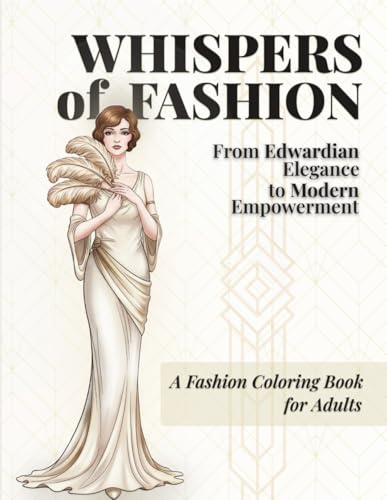
If you’re someone who loves diving into fashion history through a hands-on, creative approach, Whispers of Fashion offers 50 detailed, single-sided illustrations that let you bring 20th-century women’s style to life with your own colors—and it’s thoughtfully organized by decade, so you can literally color through the changing moods and cultural shifts that shaped each era! Crafted with clean line art and balanced designs, this coloring book combines portraits, accessories, and atmospheric backgrounds, making it perfect for adult colorists. It’s a stunning, tactile journey through a century of style, ideal for gifting or enriching your own collection.
Best For: Adults who appreciate fashion history, enjoy creative coloring activities, and seek a stylish, immersive artistic experience.
Pros:
- Features 50 detailed, single-sided illustrations organized by decade for a structured and engaging coloring journey.
- High-quality, clean line art includes a mix of portraits, accessories, and backgrounds, enhancing creativity and visual interest.
- Serves as a thoughtful gift and a beautiful collectible for fashion lovers, designers, and vintage enthusiasts.
Cons:
- Focused specifically on 20th-century women’s fashion, which might limit appeal to those interested in other themes or eras.
- Detailed illustrations may be challenging for beginners or those preferring simpler coloring designs.
- Larger size and premium quality can make it less portable for on-the-go coloring sessions.
Fashion History from the 18th to the 20th Century (Bibliotheca Universalis)

Fashion History from the 18th to the 20th Century (Bibliotheca Universalis) is a must-have gem for anyone fascinated by how clothing shapes identity and culture across centuries—this beautifully crafted volume, published by Bibliotheca Universalis, captures the evolution of style with stunning photographs of meticulously preserved garments from the Kyoto Costume Institute’s vast collection. You’ll immerse yourself in historical costumes displayed on custom mannequins, accompanied by expert commentary that reveals fashion as a powerful art form reflecting social and personal identities. Spanning underwear, shoes, and accessories, this book makes fashion’s story feel alive and incredibly tangible.
Best For: history enthusiasts, fashion scholars, and anyone interested in the cultural and artistic evolution of clothing from the 18th to 20th centuries.
Pros:
- Features stunning, high-quality photographs of historical garments from the renowned Kyoto Costume Institute.
- Includes expert commentary that provides deep insight into the sociological and artistic aspects of fashion.
- Covers a wide variety of clothing items, from underwear to accessories, showcasing a comprehensive history of fashion.
Cons:
- May be too specialized or detailed for casual readers seeking a general overview of fashion.
- The focus on historical garments might limit appeal to those interested in contemporary fashion.
- As a richly produced volume, it may have a higher price point compared to other fashion history books.
Fashion History from the 18th to the 20th Century (Bibliotheca Universalis)
You’ll appreciate “Fashion History from the 18th to the 20th Century” (Bibliotheca Universalis) especially if you love diving into fashion as a rich cultural story rather than just style trends. This beautifully produced book showcases the Kyoto Costume Institute’s vast collection, featuring everything from delicate 18th-century undergarments to 20th-century shoes and accessories, all displayed on custom mannequins. The expert commentary reveals how clothes express identity, culture, and class, not just style. It’s a visual feast and intellectual treat, perfect for anyone who sees fashion as an essential art form and social history wrapped into one!
Best For: fashion enthusiasts, historians, and art lovers interested in the cultural and social significance of clothing from the 18th to 20th centuries.
Pros:
- Offers a comprehensive visual and intellectual exploration of fashion’s evolution over three centuries.
- Features expert commentary providing deep insights into fashion as a reflection of identity, culture, and class.
- Showcases rare historical garments displayed on custom-made mannequins, enhancing visual appeal and authenticity.
Cons:
- May be less engaging for readers seeking only modern fashion trends or practical style advice.
- The scholarly approach might be dense or too detailed for casual readers.
- Limited to the Kyoto Costume Institute’s collection, potentially overlooking fashion developments from other regions.
Vogue: The Editor’s Eye: A History of Fashion Photography
Sale

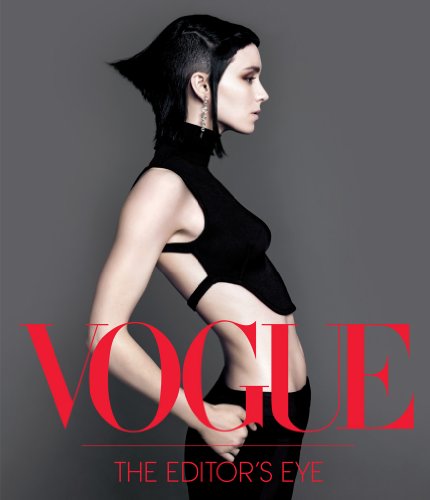
Vogue: The Editor's Eye: A History of Fashion Photography (Vogue Collection)
- Used Book in Good Condition
For anyone fascinated by the creative minds behind iconic fashion images, Vogue: The Editor’s Eye: A History of Fashion Photography offers a enthralling exploration into the editors who’ve shaped American style for over a century. This visually stunning coffee table book, drawing from Vogue’s exceptional archive, highlights eight legendary editors like Polly Mellen and Grace Coddington, showcasing their collaborations with photography giants such as Richard Avedon and Annie Leibovitz. Featuring iconic models from Marilyn Monroe to Linda Evangelista, it’s packed with in-depth interviews and striking layouts, making it a perfect gift or design inspiration for any fashion or photography enthusiast!
Best For: Fashion enthusiasts, photography lovers, and design aficionados seeking inspiration and insight into the history of American style shaped by legendary Vogue editors.
Pros:
- Features exclusive archival images and collaborations with top photographers and iconic models.
- Provides in-depth interviews and editorial perspectives, enriching the understanding of fashion photography.
- Beautifully designed as a coffee table book, making it an appealing gift or decorative piece.
Cons:
- May be too specialized for casual readers without a strong interest in fashion or photography history.
- High-quality production might come with a premium price that could deter budget-conscious buyers.
- Focuses primarily on Vogue’s American style, potentially limiting the global fashion perspective.
Real Clothes, Real Lives: 200 Years of What Women Wore Book

If you’re curious about how everyday women’s clothing reveals broader cultural shifts, Real Clothes, Real Lives: 200 Years of What Women Wore is a standout choice that shines a light on overlooked, ordinary garments spanning two centuries. This fascinating book details over 300 pieces from the Smith College Historic Clothing Collection, from Sylvia Plath’s Girl Scout uniform to psychedelic microminis and service uniforms. Each garment carries vivid stories, combining homemade and ready-to-wear pieces that highlight practical fashion’s role across time. Enhanced by rich archival images and insightful commentary, this volume offers a fresh, compelling perspective on women’s lives and evolving roles!
Best For: History enthusiasts, fashion scholars, and anyone interested in the cultural and social evolution of women through everyday clothing.
Pros:
- Showcases over 300 unique garments that highlight diverse women’s experiences across 200 years.
- Provides rich archival photography and detailed storytelling that connect clothing to broader historical and feminist contexts.
- Focuses on practical and ordinary attire, offering fresh insights into often-overlooked aspects of fashion history.
Cons:
- May appeal less to those seeking high fashion or exclusively vintage luxury items.
- The historical focus might be dense for casual readers without a strong interest in social history or feminism.
- Limited to the Smith College collection, so the scope may not include global perspectives or non-American experiences.
Little Guides to Style: The Story of Four Iconic Fashion Houses

Collectors and style enthusiasts alike will adore *Little Guides to Style: The Story of Four Iconic Fashion Houses*, a beautifully packaged set that dives into the elegance and innovation behind Chanel, Prada, Dior, and Gucci — each volume filled with hundreds of vivid images and crisp, engaging text written by bestselling authors. You’ll uncover Chanel’s legendary little black dress, Prada’s sleek Milanese minimalism, Dior’s revolutionary New Look, and Gucci’s bold androgynous maximalism. This collectible box set perfectly traces each brand’s evolution and influence, making it an ideal gift or personal treasure for anyone invested in luxury style and fashion history!
Best For: fashion lovers, collectors, and anyone interested in the history and evolution of luxury style from iconic fashion houses.
Pros:
- Comprehensive exploration of four major fashion brands, highlighting their signature styles.
- Richly illustrated with hundreds of vivid images enhancing the storytelling.
- Written by bestselling authors, providing engaging and well-researched narratives.
Cons:
- Limited to only four fashion houses, which may leave out other influential designers.
- May be too detailed or specialized for casual readers not deeply interested in fashion.
- The collectible box set format might be priced higher than standard single-title books.
Recommended Products


Factors to Consider When Choosing Fashion History Books
You’ll want to pick fashion history books that balance detailed content with stunning visuals—think glossy pages filled with vintage photographs alongside well-researched chapters that bring designers and eras to life. Consider whether the book’s tone matches your knowledge level and if it’s the latest edition, maybe with flexible formats like hardcover or digital (because who doesn’t love options?). Trust me, selecting titles that blend accuracy, style, and accessibility makes your journey through fashion’s past way more exciting!
Recommended Products


Content Depth and Breadth
Though the surface appeal of fashion history books often lies in their glossy images and elegant layouts, you’ll want to dive deeper into content depth and breadth to truly appreciate how these volumes illuminate style evolution—think of titles like “Fashion: A History from the 18th to the 20th Century” by the Kyoto Costume Institute, a hefty 480-page tome bursting with detailed analyses and global perspectives that reveal the fascinating social and cultural narratives behind each era’s key garments. You’ll want books that cover multiple eras, social classes, and regions, offering authoritative insights and expert commentary to make trends come alive. Look for those including primary sources, like quotes or anecdotes from historical figures, which add personal texture, enriching your connection to fashion’s vibrant past—making learning feel as exciting as discovering your new favorite look!
Visual and Illustrative Quality
After appreciating the depth and breadth of content in fashion history books, it’s equally exciting to explore how visual and illustrative quality brings those stories to life. When you pick up a book like “What People Wore When” (published by Thames & Hudson, 320 pages), the rich, high-quality illustrations vividly showcase evolving silhouettes and garment details across centuries, making history feel tangible. You’ll find that detailed artwork not only captures fashion but also hints at social and cultural contexts, helping you connect with the era. If you’re craving something interactive, “Whispers of Fashion,” a coloring book that blends creativity and learning, offers a unique hands-on way to engage with historical styles. Remember, thorough visuals—photos and sketches—are key to understanding how clothing shapes identity across time and places.
Historical Accuracy and Scholarship
Because fashion history intertwines so tightly with culture and society, choosing books that prioritize historical accuracy and scholarship can totally transform your reading experience—not only will you unravel the fascinating evolution of garments, but you’ll also trust the narratives thanks to thorough research and credible sources. Look for books citing primary sources and peer-reviewed studies, like those supported by the Kyoto Costume Institute, which ground their analysis in solid evidence. Extensive bibliographies and annotations add depth, letting you plunge into foundational texts if you want. I love when authors compare styles across eras and cultures, showing how fashion reflects social shifts—this kind of insightful scholarship really elevates the story behind the seams. Picking books with strong academic backing will make your fashion history journey both exciting and reliable!
Target Audience Relevance
How do you pick the perfect fashion history book that truly speaks to your interests and needs? It starts by understanding who you are! If you’re a student or educator craving authoritative narratives with detailed timelines and annotations, look for hefty volumes like *Fashion: A History from the 18th to the 20th Century* (570 pages, Taschen)—it’s a textbook-level gem. Designers, you might prefer books packed with case studies and trend analyses that connect past styles to today’s runway buzz. And if you’re a collector or enthusiast who loves visuals, consider richly illustrated editions, like *The Vogue Factor* by Kirstie Clements, which dazzles with photographs and design insights. Whichever category fits you, balancing depth with accessibility guarantees you enjoy engaging content without feeling overwhelmed—because fashion history should both inform and inspire!
Edition and Format Options
While choosing a fashion history book, you’ll want to think carefully about the edition and format, as these elements shape not only how the book looks on your shelf but also how vividly the story of style comes alive—hardcover volumes like the Taschen classic *Fashion: A History from the 18th to the 20th Century* (570 pages) offer impressive durability and presence, while richly illustrated editions burst with photographs and sketches that deepen your understanding and keep you hooked; plus, special editions loaded with expert commentary and historical images often add layers of insight that make flipping through each page an adventure in fashion evolution! Also, pay attention to how the book is structured—chronologically or thematically—as this affects how easily you absorb the info. Look for accessible language and helpful glossaries to enjoy a smoother, richer read!
Frequently Asked Questions
What Are the Best Online Resources for Fashion History Research?
You’ll love diving into the Fashion History Timeline (fashionhistory.fitnyc.edu), a sleek, interactive site with vivid visuals and detailed eras, perfect for getting a broad overview. The Victoria & Albert Museum’s online archive (vam.ac.uk) offers incredible high-res images and context for thousands of garments, letting you explore fashion evolution firsthand. Finally, The Metropolitan Museum of Art’s Costume Institute digital catalog gives you access to curated collections and scholarly essays—super helpful for in-depth research!
How Can I Start a Career in Fashion History or Curation?
Think of your career as a tapestry, each thread a step: start with degrees in art history or fashion studies, then immerse yourself in internships at museums like the Met or V&A, which offer hands-on experience (like cataloging or exhibit prep). Grab key reads—perhaps *Fashion: The Definitive History* (DK Publishing, 512 pages, glossy visuals)—to build foundational knowledge. Network at industry events, stay curious, and you’ll weave your unique path in fashion curation!
Which Modern Designers Draw Inspiration From Historical Fashion?
You’ll find modern designers like Alexander McQueen and Vivienne Westwood constantly draw from historical fashion, blending Tudor ruffs or punk rebellion into their collections with a fierce, fresh twist! (McQueen’s dramatic tailoring often references 18th-century silhouettes.) Chanel, too, revamps vintage glamour, using classic tweeds and pearls. If you pick up “Fashion: The Definitive History” by DK (512 pages, glossy, lively illustrations), you’ll see these inspirations traced vividly and excitingly!
Are There Any Interactive Fashion History Museums or Exhibits?
You know what they say, “A picture is worth a thousand words,” but visiting interactive fashion exhibits feels like living those words! Places like London’s Fashion and Textile Museum offer touchscreen timelines, tactile fabric samples, and even VR experiences that plunge you into designers’ studios—perfect for diving deep. Also, New York’s Museum at FIT hosts rotating exhibits where you can handle reproductions and trace style evolution firsthand, making history vividly real and thrilling to explore!
How Accurate Are Fashion History Books in Portraying Cultural Influences?
You’ll find that fashion history books vary in accuracy when portraying cultural influences—some, like Valerie Steele’s *Fashion and Culture* (Yale University Press, 280 pages, hardcover), provide deeply researched, nuanced insights with vivid photographs, offering an authentic look at global styles. Others might lean on trends or stereotypes, so it’s great to pick titles by established authors and publishers to get well-rounded perspectives that respect and celebrate cultural origins without oversimplifying them.