As an Amazon Associate, we earn from qualifying purchases. Some links on this site are affiliate links at no extra cost to you. Our recommendations are based on thorough research and editorial judgment.

10 Best Fly Fishing Books to Improve Your Skills and Enjoyment

If you want to boost your fly fishing skills and fun, check out The Orvis Fly-Fishing Guide, Revised—packed with modern techniques and vivid illustrations from Orvis’s expert team. Beginners will love The Orvis Guide to Beginning Fly Fishing: 101 Tips for Beginners, a colorful, easy-to-follow starter. For a quick hit of wisdom, The Little Red Book of Fly Fishing delivers 240 handy tips in a portable format. Plus, engaging memoirs and regional guides add depth to your journey! You’re about to find the perfect book to cast smarter and enjoy every trip more.
Key Takeaways
- Choose comprehensive guides like *The Orvis Fly-Fishing Guide, Revised* for mastering advanced techniques and tackle selection.
- Beginners benefit greatly from *The Orvis Guide to Beginning Fly Fishing* for step-by-step skills and ethical fishing practices.
- Pick portable and tips-focused books like *The Little Red Book of Fly Fishing* for quick, targeted advice in the field.
- For a rich cultural and reflective experience, explore memoirs such as *Rivers of the Heart* or *A River Trilogy*.
- Match books to skill levels and interests, prioritizing those with clear illustrations for beginners and varied techniques for advanced anglers.
The Orvis Fly-Fishing Guide, Revised
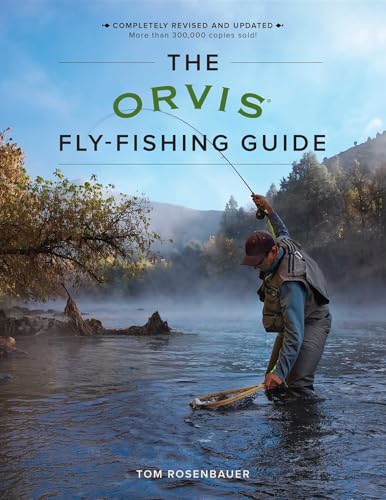

If you’re new to fly fishing or simply want to refresh your skills, The Orvis Fly-Fishing Guide, Revised, is the perfect companion, packed with clear, approachable guidance from one of the sport’s most trusted names; this best-selling guide covers everything from tackle selection—think rods, reels, and knots—to modern casting methods with handy line drawings by Bob White, making it both a solid foundation and an enjoyable read you’ll return to again and again! This 352-page volume, published by The Lyons Press, also explores new techniques like Tenkara and Czech nymphing, showcases over 50 colorful fly patterns, and offers updated strategies for fishing diverse environments.
Best For: Beginners and experienced fly anglers looking for a comprehensive, illustrated guide to fly fishing techniques, tackle selection, and fishery-specific strategies.
Pros:
- Covers foundational and advanced fly-fishing techniques, including new methods like Tenkara and Czech nymphing.
- Includes over 50 colorful fly patterns with clear presentation and fishing tactics.
- Features detailed line drawings and guidance on ethical conservation and stream etiquette.
Cons:
- May be overwhelming for casual readers due to extensive technical details.
- Limited focus on cutting-edge digital or app-based fishing tools.
- Primarily focused on traditional fly-fishing, which might not appeal to those interested in other fishing styles.
The Orvis Guide to Beginning Fly Fishing: 101 Tips for Beginners

The Orvis Guide to Beginning Fly Fishing: 101 Tips for Beginners stands out as the perfect starting point for anyone enthusiastic to plunge into fly fishing, especially if you’re looking for a clear, engaging approach backed by The Orvis Company’s trusted expertise. This compact guide, filled with bright illustrations and photos, walks you through essential tackle setup, casting techniques, and selecting the right fly for each scenario. You’ll even master two crucial knots! It’s not just about skills—the guide emphasizes fishing ethics and safety, ensuring you enjoy responsible outings while building confidence on lakes, rivers, or saltwater trips.
Best For: Absolute beginners looking for a clear, engaging, and trustworthy introduction to fly fishing with practical skills and ethical guidance.
Pros:
- Includes step-by-step instructions on tackle setup, casting, and knot tying.
- Emphasizes fishing ethics and safety for responsible fishing.
- Features bright illustrations and photographs that simplify learning.
Cons:
- May lack advanced techniques for experienced anglers.
- Focused mainly on beginners, so less useful for intermediate or expert fly fishers.
- Limited content on specialized fly fishing environments or species.
A River Trilogy: A Fly-Fishing Life
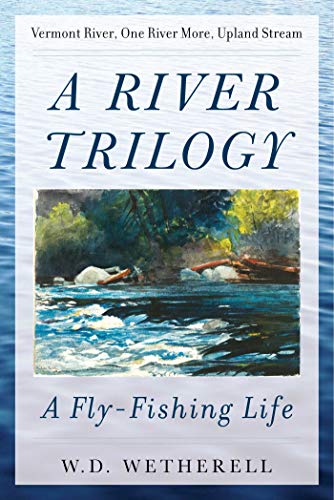
You’ll love A River Trilogy: A Fly-Fishing Life if you appreciate a blend of poetic reflections, personal journals, and memorable fishing tales that capture the spirit of river life, because W. D. Wetherell masterfully intertwines Vermont’s serene waters with broader themes of nature and family. This Penguin Classics collection, spanning three volumes with radiant descriptions and humor, invites you to explore New England streams and Montana trout habitats, enriching your understanding and passion. Whether you’re a seasoned angler or nature lover, these 300-plus pages offer a heartfelt, vivid portrayal of fly fishing’s joy and its profound human connections—truly a must-read!
Best For: readers who enjoy nature writing, fly fishing enthusiasts, and those seeking a reflective and poetic exploration of rivers and family life.
Pros:
- Combines poetic reflections, personal journals, and fishing tales for a rich reading experience.
- Radiant descriptions and humor make the natural world vivid and engaging.
- Covers diverse locations from Vermont to Montana and Scotland, broadening perspectives on river life.
Cons:
- May be less appealing to readers uninterested in fishing or outdoor themes.
- The introspective style might feel slow-paced for those preferring fast-moving narratives.
- Some readers might find the blend of personal reflection and nature writing somewhat niche.
The Little Red Book of Fly Fishing (Little Books)
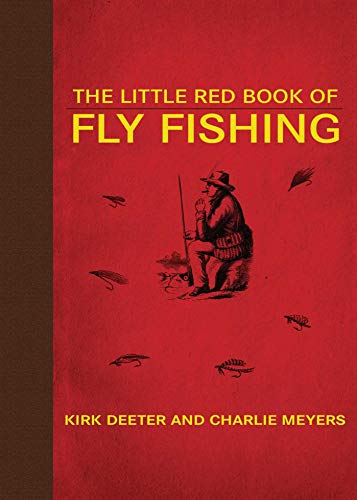
Anglers seeking a no-nonsense, compact guide that cuts through the chatter and delivers practical fly fishing wisdom will find The Little Red Book of Fly Fishing an absolute gem, packed with 240 actionable tips across five essential categories like casting, presentation, and water reading (yes, it’s that focused!). Inspired by Harvey Penick’s straightforward golf instruction, this slim volume from Stackpole Books packs expert advice into 128 pages you can easily carry on the riverbank. Whether you’re figuring out the right fly to rig or mastering the subtle art of reading trout-holding water, this book offers sharp, accessible guidance that both beginners and seasoned anglers will appreciate!
Best For: Anglers of all skill levels seeking a concise, practical guide to improve their fly fishing techniques with clear, expert tips.
Pros:
- Provides 240 targeted tips covering casting, presentation, water reading, fly selection, and additional essential techniques.
- Compact and portable 128-page format makes it easy to carry and reference on the riverbank.
- Inspired by a straightforward teaching style, making complex fly fishing concepts accessible to beginners and valuable for experts.
Cons:
- Lacks detailed explanations of the underlying science or physics of fly fishing, which some advanced anglers may prefer.
- Focuses mainly on trout fishing, which may limit usefulness for anglers targeting other species.
- Limited visual aids and illustrations due to its compact format, which might challenge visual learners.
The Orvis Guide to Beginning Fly Fishing
If you’re completely new to fly fishing and crave a reliable, step-by-step companion, The Orvis Guide to Beginning Fly Fishing, brought to you by The Orvis Company, stands out as an ideal starting point. This approachable book breaks down foundational skills like selecting tackle, casting with confidence, and choosing flies tailored to your fishing spot. You’ll also master tying the two most essential knots while learning how to find fish across lakes, rivers, and even saltwater. Bright illustrations and practical safety tips enrich each page, making this guide your friendly, clear, and thorough introduction to the wonderful world of fly fishing!
Best For: Absolute beginners seeking a clear, illustrated, and comprehensive introduction to fly fishing basics and techniques.
Pros:
- Covers essential skills like tackle selection, casting, and knot tying with an easy-to-follow approach.
- Includes bright illustrations and photographs for visual learning and enhanced understanding.
- Offers practical fishing ethics and safety advice to promote responsible angling.
Cons:
- Limited to beginners; may not satisfy intermediate or advanced fly fishers.
- Focuses primarily on foundational skills, with less depth on specialized or advanced techniques.
- May not cover regional or species-specific fishing nuances in detail.
Rivers of the Heart: A Fly-Fishing Memoir

Fly fishing enthusiasts who cherish storytelling alongside technique will find *Rivers of the Heart: A Fly-Fishing Memoir* by Steve Raymond an irresistible read, especially as it offers nearly fifty years of vivid fly-fishing adventures across dazzling locations like Canada, the Caribbean, and northern Scotland. Published by Skyhorse Publishing, this 200-plus-page memoir weaves heartfelt tales, historical insights, and fly-tying lore, inviting you to connect deeply with the sport’s rich culture. You’ll appreciate Raymond’s engaging style and memorable characters, making this more than a fishing book—it’s a passionate homage to the rivers and stories that shape every angler’s heart!
Best For: Fly fishing enthusiasts and readers who enjoy adventurous memoirs blending personal stories with fishing history and culture.
Pros:
- Offers nearly fifty years of rich and diverse fly-fishing experiences and locations.
- Includes engaging storytelling with memorable characters and historical insights.
- Published by a dedicated imprint supporting unique and often-overlooked fishing literature.
Cons:
- Focuses more on storytelling than practical fly-fishing techniques or guides.
- May appeal primarily to readers already interested in fly fishing or fishing culture.
- Some readers might prefer a more structured or instructional fishing book rather than a memoir.
Fly-Fishing Advice from an Old-Timer Practical Guide

When you want a practical guide that feels like advice from a wise friend, Ed Quigley’s “Fly-Fishing Advice from an Old-Timer” is a perfect pick, especially if you’re enthusiastic to learn both the basics and some nuanced techniques wrapped in personal storytelling. Published by Skyhorse, this 240-page paperback dives into timing different flies (like midges and caddis), crafting your own flies on-site, and selecting gear—from rods to waders—with engaging anecdotes from Labrador to Costa Rica. Quigley also shares winter fishing tips and recommends extra resources, making this guide both thorough and invigoratingly authentic for any fly fisher.
Best For: Fly fishing enthusiasts of all levels looking for practical, experience-based advice and detailed techniques wrapped in engaging storytelling.
Pros:
- Combines foundational knowledge with advanced fly-fishing techniques.
- Includes valuable personal anecdotes from diverse fishing locations.
- Offers comprehensive gear guidance and additional learning resources.
Cons:
- Limited to fly fishing, so may not appeal to anglers interested in other types.
- Paperback format only might not suit those preferring digital or audio versions.
- Some readers might find the personal stories less relevant if seeking purely technical content.
Riverwatcher: A Fly-Fishing Mystery
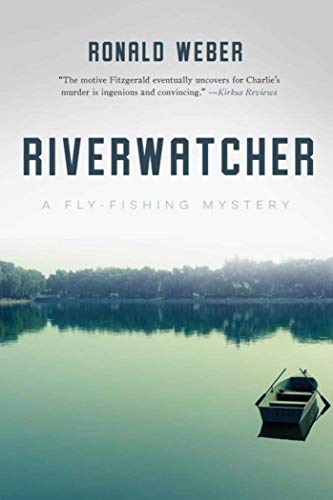
For those who love unraveling mysteries nestled within the tranquil rhythm of a small-town fishing community, *Riverwatcher: A Fly-Fishing Mystery* by Ronald Weber proves absolutely engrossing—set in the peaceful northern Michigan town of Ossning, this 320-page hardcover (published by Wild Stream Press) combines the art of fly fishing with a gripping murder investigation that’ll keep you hooked from the first cast. You’ll join journalist Donald Fitzgerald and DNR officer Mercy Virdon as they dig into the brutal murder of Charlie Orr, unraveling secrets that rock their close-knit trout-filled world. It’s perfect for anyone craving suspense woven with angling culture!
Best For: fans of mystery novels who enjoy a blend of outdoor adventure and small-town intrigue, especially those interested in fly fishing and Northern Michigan settings.
Pros:
- Engaging blend of mystery and fly-fishing culture.
- Richly detailed setting that immerses readers in a tranquil small-town atmosphere.
- Captivating character dynamics between a journalist and a DNR officer solving the crime.
Cons:
- May have limited appeal for readers unfamiliar with or uninterested in fishing.
- The detailed fishing elements might slow pace for those wanting a fast-paced thriller.
- The niche setting could feel too localized for some mystery readers.
Fly Fishing Made Simple Guide to Casting, Reading Water, and Catching Fish
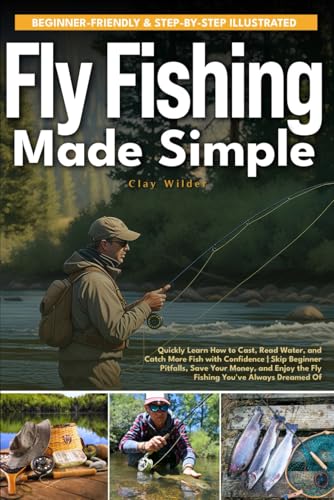
If you’ve ever felt tangled lines and frustrating casts dampen your enthusiasm, this guide is your perfect fishing companion, especially designed for beginners keen to build confidence without being overwhelmed by complicated jargon or bulky manuals. Fly Fishing Made Simple Guide to Casting, Reading Water, and Catching Fish, a concise 160-page paperback from Angler’s Press, breaks down essential casting techniques with step-by-step illustrations and explains water reading in clear, relatable terms. You’ll also find practical tips to match flies with hatches, avoid common mistakes, plus bonuses like knot tying guides and a handy angler’s logbook—tools that transform your outings into stress-free success!
Best For: Beginners and novice anglers looking for a straightforward, confidence-building guide to fly fishing without complicated jargon or overwhelming details.
Pros:
- Clear, step-by-step illustrated casting techniques make learning easy and effective.
- Includes practical tips on reading water, matching flies, and avoiding common beginner mistakes.
- Provides useful bonuses like fly fishing knots, an angler’s logbook, and video guides to enhance the fishing experience.
Cons:
- May be too basic for advanced anglers seeking in-depth or specialized fly fishing techniques.
- Limited to a 160-page paperback format, which might leave out some detailed information.
- Focus on beginner-friendly content may not cover all regional fly fishing variations or advanced equipment choices.
Fifty Places to Fly Fish Before You Die
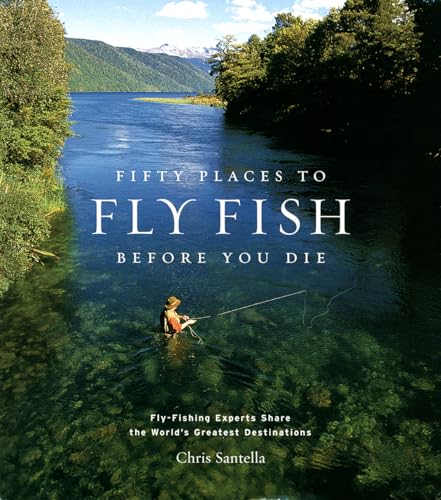
Anglers and travel lovers alike will find “Fifty Places to Fly Fish Before You Die,” authored by Chris Santella and published by Wiley, a treasure trove of inspiration packed into its 288 pages, offering detailed recommendations for spectacular global fly-fishing spots that you might not have heard of before. This book doesn’t just list locations—it shares cultural insights, natural history, and vivid essays that deepen your connection to each destination. With breathtaking photos by R. Valentine Atkinson and practical travel and tackle tips, it’s perfect whether you’re planning your next trip or simply dreaming (which we all do) of fishing Bristol Bay or the Zambezi River someday!
Best For: fly-fishing enthusiasts and travel lovers seeking expert recommendations on unique global fishing destinations enriched with cultural and natural insights.
Pros:
- Provides detailed travel and tackle information suitable for both beginners and experienced anglers.
- Includes engaging essays and anecdotes that offer cultural and natural history of each location.
- Features stunning photography that enhances the visual appeal and inspiration for readers.
Cons:
- May focus primarily on destination inspiration rather than in-depth fishing techniques.
- Some locations might be difficult or expensive to access for casual anglers.
- Limited to 50 locations, so some renowned fishing spots may be excluded.
Factors to Consider When Choosing Fly Fishing Books
When you’re picking a fly fishing book, think about whether it matches your skill level, covers the techniques you want to sharpen, and focuses on species and habitats that excite you. Books like *The Orvis Fly-Fishing Guide* (224 pages, Simon & Schuster) often include vivid photos and illustrations, plus ethical tips to protect the environment—a combo that makes learning both practical and responsible. Trust me, choosing the right book with these factors in mind will make your fly fishing adventures even more rewarding!
Skill Level Focus
Choosing the right fly fishing book can feel like picking the perfect rod—each one offers something unique depending on your experience and goals, so you’ll want to find guides that match your skill level precisely. If you’re just starting out, look for books that cover fundamental techniques clearly, especially those with helpful diagrams or illustrations, like “The Orvis Fly-Fishing Guide” (256 pages, packed with step-by-step visuals). Intermediate and advanced anglers, on the other hand, might explore titles that offer nuanced tactics and real-life anecdotes for deeper insight. Don’t overlook books emphasizing fishing ethics and conservation—these foster respect for the sport no matter your skill. Finding a book that balances solid instruction with practical, relatable tips will seriously boost your confidence and enjoyment on the water!
Technique Coverage
Technique is the heartbeat of fly fishing, and finding books that dive deep into casting, fly selection, and fish presentation can instantly elevate your game. Look for titles like “The Art of Tenkara” (120 pages, excellent illustrations) or “Czech Nymphing Essentials” that unpack specific methods often overlooked, expanding your skillset beyond basics. Don’t skip resources covering knot tying and tackle selection, as mastering those fundamentals makes a huge difference on the water. The best guides also include tips for streams, stillwaters, and even saltwater environments, helping you adapt your techniques anywhere you fish. I’m a fan of books that blend solid instruction with reminders about ethical angling and conservation, because learning to fish well includes knowing how to protect the habitats you love. This combo truly shapes you into a thoughtful, effective fly fisher!
Species and Habitat
Before you pick up any fly fishing book, think about the type of fish and water you’ll be chasing—that’s where the real magic starts! Targeting trout in crystal-clear streams calls for different advice than chasing saltwater tarpon along the coast, so choose books like *Trout Streams: An Angler’s Guide* (Skyline Press, 320 pages) that focus on species-specific behavior and habitat. You’ll want texts that explain freshwater versus saltwater techniques, seasonal fish movements, and local ecosystems—such as the insects you’ll mimic when nymphing in fast rivers or choosing surface flies for still lakes. Books tailored to your environment, with detailed insights into aquatic plants and seasonal habits, will sharpen your skills dramatically, making every cast count. (Trust me, this focus transforms frustration into thrilling success!)
Visual and Illustrative Quality
While you might already be enthusiastic to plunge into casting techniques, you’ll find that fly fishing books with vibrant, high-quality illustrations and sharp photographs (like those featured in *The Art of Fly Casting* by Waterside Press, 280 pages) truly make complex skills click, revealing every twist of the fly line and knot step with crystal clarity—this kind of visual detail doesn’t just teach you, it keeps you hooked (pun intended) and motivated, especially if you’re new, because seeing the process unfold page by page makes mastering these tricks feel way more achievable and, honestly, a lot more fun! Detailed line drawings and step-by-step visuals help solidify your practical skills while bright, engaging images hold your attention, turning sometimes challenging concepts into approachable lessons that enrich the entire learning experience.
Ethical and Conservation Guidance
Even if your main goal is mastering the perfect cast, you’ll want fly fishing books that explore ethical and conservation guidance—like *Respect the River* (Ripple Press, 192 pages)—because they teach you how to fish responsibly by emphasizing catch-and-release, local rules, and habitat care, all of which protect the waterways we love and guarantee future outings remain just as thrilling. These guides often highlight using barbless hooks to minimize harm and stress the importance of avoiding invasive species, which keeps ecosystems balanced. Plus, they encourage joining community conservation efforts, helping you become an active steward for your favorite spots. Safety practices for angler and fish wellbeing also appear regularly, ensuring your adventures respect nature fully. Choosing books with this focus boosts your enjoyment and helps preserve the sport—and the environment—for years to come!
Frequently Asked Questions
What Are the Best Fly Fishing Locations Worldwide?
You’ll find incredible fly fishing spots like New Zealand’s South Island, where crystal-clear streams teem with trout, or Montana’s Yellowstone River, known for its wild, sprawling waters and scenic views. Don’t miss Patagonia’s remote rivers for rainbow and brown trout, or Iceland’s Arctic char-rich glacial streams. Each destination offers unique challenges and breathtaking beauty, making your next trip unforgettable—you’ll feel like a pro, casting beneath vast, open skies!
How Do I Choose the Right Fly Fishing Rod for Beginners?
You’ll want a rod around 8 feet long with a 5-weight rating—perfect for beginners tackling various fish! Look for something durable, lightweight, and balanced in your hand; brands like Orvis offer great starter models that balance quality and price. Don’t forget, a medium-action rod helps you cast smoothly without too much effort. Happy fishing (and learning)—you’ll love feeling confident on the water with gear that fits you like a glove!
What Type of Flies Work Best in Different Seasons?
You’ll find that spring calls for bright, hatching dry flies like Adams or Elk Hair Caddis, which imitate emerging insects beautifully, while summer suits lighter nymphs and streamers, such as Pheasant Tail or Woolly Bugger, to match active trout diets. Fall’s crisp air brings darker, heavier flies like Copper John or Matuka to mimic late-season prey. Winter demands subtle patterns—restrained, slower-moving flies like Hare’s Ear, fitting the cold, lethargic trout feed.
Can Fly Fishing Be Done in Saltwater Environments?
Absolutely, you can fly fish in saltwater! It’s thrilling, and books like *Saltwater Fly Fishing* by Ernie Nelson (Amherst Media, 224 pages, durable paperback) dive deep into techniques and gear for catching species like tarpon and redfish while explaining tides, flies, and strategies with clarity. This well-illustrated guide makes saltwater fly fishing accessible and exciting, perfect if you’re ready to expand your skills beyond freshwater (your next adventure awaits!).
What Are Essential Safety Tips for Fly Fishing Trips?
You’ve got to wear a life vest, especially in swift water, and always keep an eye on weather shifts—they can change fast! Use polarized sunglasses to spot fish and protect your eyes, and never fish alone; a buddy’s backup is essential. Carry a first-aid kit and learn basic knots and casting techniques to avoid accidents. I’m excited to share these tips because safety really elevates your adventure (plus, it prevents those awkward mishaps)!