As an Amazon Associate, we earn from qualifying purchases. Some links on this site are affiliate links at no extra cost to you. Our recommendations are based on thorough research and editorial judgment.

10 Best Engineering Books to Fuel Your Passion and Expertise

If you’re ready to ignite your passion for engineering, check out some fantastic books! *A Degree in a Book: Electrical & Mechanical Engineering* by Dr. David Baker is a colorful gem, while Richard Hamming’s *The Art of Doing Science and Engineering* offers creative insights. For teens, *Engineering for Teens* by Nomad Press is engaging and accessible. Also, *507 Mechanical Movements* is a must-have resource. Trust me, you’re in for a treat as you discover more recommendations!
Key Takeaways
- Start with *A Degree in a Book: Electrical & Mechanical Engineering* for a comprehensive introduction to engineering concepts and practices.
- Explore creativity in engineering through *The Art of Doing Science and Engineering* for a deeper mindset and problem-solving skills.
- Young aspiring engineers aged 12-16 will find *Engineering for Teens* engaging with diverse engineering specialties and career insights.
- Use *507 Mechanical Movements* as a rich resource for understanding mechanical systems through detailed illustrations of 507 mechanisms.
- The *Beginner’s Guide to Engineering* offers simplified explanations, making it perfect for high school students new to mechanical engineering concepts.
A Degree in a Book: Electrical & Mechanical Engineering
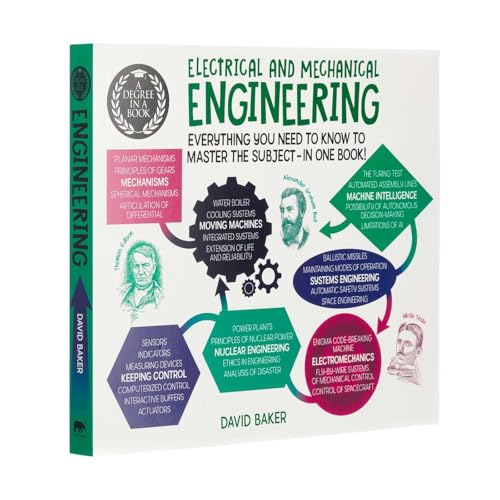

If you’re curious about the fascinating world of electrical and mechanical engineering but don’t know where to start, *A Degree in a Book: Electrical and Mechanical Engineering* by Dr. David Baker is your perfect gateway! With its vibrant landscape format and full-color illustrations, this book makes complex concepts like Newtonian mechanics, nuclear engineering, and 3D printing engaging and approachable. You’ll find helpful infographics, timelines, and clear explanations, plus a handy glossary that demystifies technical jargon. Published by Arcturus Publishing, it promises the knowledge equating to a degree for the price of a book—what a steal! Immerse yourself, and spark your engineering passion today!
Best For: Students, hobbyists, and anyone interested in a comprehensive yet accessible introduction to electrical and mechanical engineering concepts.
Pros:
- Full-color illustrations and engaging layout enhance understanding and retention of complex topics.
- Comprehensive coverage of practical applications, essential theories, and the historical context of the field.
- Handy learning tools like infographics, timelines, and a glossary make it suitable for both beginners and laypeople.
Cons:
- The landscape format may be less convenient for traditional book storage and portability.
- Some readers may prefer more in-depth coverage on specific advanced topics that are only touched upon.
- As a single-volume resource, it might not replace more detailed textbooks for rigorous academic study.
The Art of Doing Science and Engineering: Learning to Learn
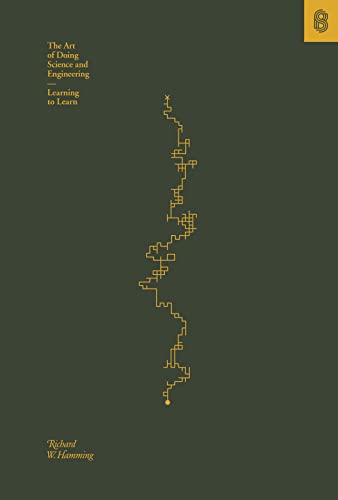
For aspiring engineers and scientists looking to elevate their creative thinking, “The Art of Doing Science and Engineering: Learning to Learn” by Richard Hamming is an invaluable read! This 1996 classic (releasing insights from Hamming’s 1986 lectures) dives into the mindset that fuels groundbreaking ideas. You’ll discover why some excel while others falter, and Hamming shares cautionary tales of his own failures—talk about learning from mistakes! With updated graphs and charts, this accessible book underscores that creativity isn’t reserved for the elite; it’s within your reach! Grab a copy and ignite your engineering passion—your future self will thank you!
Best For: Aspiring engineers, scientists, and researchers seeking to enhance their creative thinking and achieve breakthroughs in their fields.
Pros:
- Encourages a growth mindset and belief in personal potential for greatness.
- Provides valuable lessons from both successes and failures of influential figures in science and engineering.
- Accessible writing style makes complex concepts easy to understand and relevant for today’s readers.
Cons:
- Some readers may find the anecdotes less relatable if they are newer to the field.
- The focus on mindset might not provide enough concrete technical skills for practical application.
- Being originally published in 1996, some examples and references may feel outdated to contemporary readers.
Engineering for Teens: A Beginner’s Book for Aspiring Engineers

Discovering a passion for engineering is a thrilling journey, especially when you’re between the ages of 12 and 16! *Engineering for Teens: A Beginner’s Book for Aspiring Engineers*, published by Nomad Press and boasting 176 engaging pages, serves as an excellent gateway into this innovative world. This book introduces engineering careers, highlighting how talented engineers tackle complex challenges and improve lives using math and science. You’ll explore major disciplines, learn about influential engineers, and discover groundbreaking inventions, from fuel cells to medicines! Plus, it emphasizes the importance of diversity in engineering, encouraging you to bring your unique perspective into this exciting field!
Best For: *Engineering for Teens: A Beginner’s Book for Aspiring Engineers* is best for aspiring engineers aged 12 to 16 who are eager to learn about engineering careers and innovations.
Pros:
- Engaging Content: The book features exciting illustrations and examples designed to capture the interest of young readers.
- Introduction to Multiple Disciplines: It provides an overview of various engineering specialties, allowing readers to explore areas of interest.
- Emphasis on Diversity: The book promotes inclusivity and highlights different perspectives within the engineering field, encouraging all readers to engage.
Cons:
- General Overview: While informative, it may lack in-depth coverage of specific engineering concepts that advanced learners might seek.
- Limited Technical Depth: The book may not provide enough technical details for readers already familiar with engineering basics.
- Target Audience Restriction: The content is specifically tailored for younger teens, which may not engage older readers or professionals in the field.
507 Mechanical Movements

Looking for a treasure trove of mechanical wonders? You’ve got to check out “507 Mechanical Movements,” first published in 1868 and reprinted in 2013. This beautiful, full facsimile features 507 fascinating mechanisms, from cranks to screws, all thoroughly illustrated on left-hand pages, with brief, handy descriptions facing them. You’ll plunge into dynamics, hydraulics, and steam engines, discovering ingenious movements you’d never expected! Each page offers simple drawings that break down complex machinery (like your favorite puzzles!). With its engaging format, this compendium ain’t just practical—it’s pure inspiration for engineers at heart! Seriously, it belongs on your bookshelf!
Best For: This book is best for engineers, mechanics, and hobbyists who are passionate about understanding and creating mechanical systems.
Pros:
- Comprehensive Coverage: Features 507 mechanical movements, ranging from simple to complex, providing a diverse resource for various applications.
- Illustrative Format: Engaging illustrations on left-hand pages paired with brief descriptions enhance comprehension and usability.
- Historical Insight: The reprint of the original 1868 edition offers a fascinating glimpse into historical engineering practices and innovations.
Cons:
- Limited Textual Information: Descriptions may be too brief for some readers looking for in-depth explanations of each mechanism.
- Physical Format: As a printed facsimile, it lacks digital accessibility features that could benefit modern users.
- Complexity Variation: Some movements may be too advanced for beginners or those without a strong mechanical background.
The Beginner’s Guide to Engineering: Mechanical Engineering

If you’re a high school student contemplating an engineering major or someone simply curious about how things work, then “The Beginner’s Guide to Engineering: Mechanical Engineering” is an excellent starting point! This engaging book offers a non-technical look into mechanical engineering, perfect for anyone without prior experience. With easy-to-understand explanations and relatable concepts, it helps you grasp the fundamentals while exploring your interests in engineering. The guide features clear illustrations and practical examples, making complex ideas simple and enjoyable. It’s a fantastic resource, sparking excitement for future engineering adventures! So, why not jump in and discover the mechanics behind our world?
Best For: High school students and individuals curious about engineering concepts who want an accessible introduction to mechanical engineering.
Pros:
- Provides clear and engaging explanations without technical jargon.
- Features illustrations and practical examples to simplify complex ideas.
- Helps readers gauge their interest in pursuing a career in mechanical engineering.
Cons:
- Lacks in-depth mathematical and technical training for advanced learners.
- May not cover all aspects of mechanical engineering for those seeking comprehensive knowledge.
- Primarily targeted at beginners, which might not challenge more experienced individuals in the field.
Engineering in Plain Sight: Field Guide to Environment

Engineering in Plain Sight: Field Guide to Environment is perfect for anyone fascinated by the world around them, whether you’re a curious traveler or a seasoned engineer. Created by Grady Hillhouse, the talented mind behind the popular Practical Engineering YouTube channel, this engaging guide showcases 50 episodes that turn complex engineering concepts into accessible treasures. With vibrant illustrations enhancing your understanding, you’ll discover key infrastructure features—like bridges, tunnels, and the electrical grid. This 224-page book not only educates but also transforms road trips into exciting exploratory adventures, urging you to appreciate the often-overlooked marvels of our built environment!
Best For: This book is best for curious travelers and engineers alike who want to deepen their understanding of the built environment through engaging illustrations and accessible explanations.
Pros:
- Visual Learning: Vibrant illustrations make complex engineering concepts easier to understand and appreciate.
- Educational Value: Readers gain insight into key infrastructure components like bridges, tunnels, and the electrical grid.
- Enhances Travel Experience: Ideal for road trips, encouraging exploration and a newfound appreciation for everyday infrastructure.
Cons:
- Limited to Infrastructure: Focuses primarily on human-made structures, which may not appeal to those interested in natural environments.
- Not a Technical Manual: While accessible, it may not satisfy readers looking for in-depth technical engineering details.
- Potentially Overwhelming: With 50 episodes, some readers might find the breadth of topics overwhelming to digest in one go.
Fundamentals of Aerospace Engineering: (Beginner’s Guide)

For anyone curious about the vast world of aviation and space exploration, “Fundamentals of Aerospace Engineering: (Beginner’s Guide)” is the perfect starting point! This engaging book, packed with around 200 pages, breaks down complex topics into digestible bites. You’ll discover the interdisciplinary connections with physics, chemistry, and mechanics, aiding your grasp of aerospace advancements—no advanced math skills required! Published by Wiley, it brings history and future innovations to life, inspiring you to join the thrilling journey of aircraft and spacecraft design. So gear up for an electrifying plunge into the field, and let your passion take flight!
Best For: Beginners and enthusiasts interested in exploring aviation and space engineering without the need for advanced math skills.
Pros:
- Interdisciplinary Approach: Connects various fields like physics, chemistry, and mechanics, making it easier to understand aerospace concepts.
- Accessible Language: The content is designed to be engaging and easy to digest, catering to readers of all backgrounds.
- Inspirational Historical Context: Highlights the evolution of aviation, motivating readers to envision future innovations in aerospace.
Cons:
- Basic Overview: May not delve deeply into complex technical details required for advanced studies in aerospace engineering.
- Limited Mathematical Content: Those seeking a focus on mathematics may find the lack of advanced numerical analysis disappointing.
- Length Constraints: At around 200 pages, some readers might desire more extensive coverage of certain topics.
Electrical and Mechanical Engineering 101 Guide
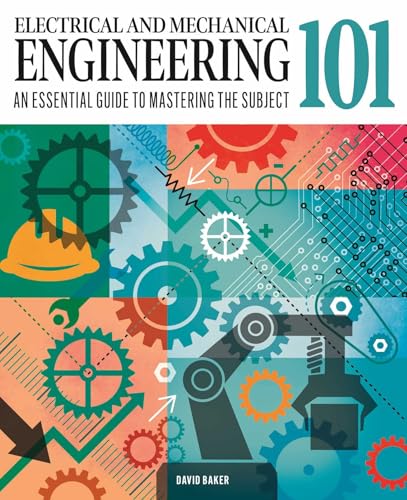
Looking to immerse yourself in the fascinating worlds of electrical and mechanical engineering? “Electrical and Mechanical Engineering 101,” authored by the brilliant Dr. David Baker, is your perfect entry point! This visual guide, crafted for students and enthusiasts alike, explores essential topics like Newtonian mechanics, nuclear engineering, and even artificial intelligence. With engaging diagrams and photographs, it makes complex concepts accessible, so you won’t be lost in a sea of jargon! You’ll discover answers to burning questions—like how materials impact function and what influenced our journey to the Moon. Trust me, you’ll love this enlightening read in the “Knowledge 101” series!
Best For: Students and engineering enthusiasts looking for an accessible introduction to electrical and mechanical engineering concepts.
Pros:
- Engaging visual elements such as diagrams and photographs help simplify complex topics.
- Covers a wide range of subjects, including historical context and modern developments.
- Addresses essential questions that spark curiosity and enhance understanding.
Cons:
- May not provide in-depth analysis for advanced learners looking for specialized knowledge.
- The visual approach might not appeal to those who prefer traditional textbook formats.
- Some topics may only be briefly touched upon, leaving readers wanting more detail.
Nuclear Engineering Handbook: Python Essentials
Immerse yourself in the “Nuclear Engineering Handbook: Python Essentials” and uncover a wealth of knowledge designed ideally for students and professionals enthusiastic to deepen their understanding of nuclear engineering! This thorough guide dives into essential concepts like Fick’s Law, seamlessly integrating Python code throughout each chapter, helping you connect theory with hands-on applications. With detailed explanations of advanced reactor models and practical coding examples, you’ll master powerful tools like Monte Carlo Simulation and the Neutron Diffusion Equation. At 400 pages, this indispensable resource will sharpen your skills and fuel your passion for nuclear engineering! Don’t miss out!
Best For: Students, professionals, and enthusiasts looking to enhance their skills and knowledge in nuclear engineering through practical and theoretical integration.
Pros:
- Comprehensive coverage of nuclear engineering topics, from foundational theories to advanced reactor designs.
- Integration of Python code allows for hands-on learning and real-world applications of complex nuclear models.
- In-depth exploration of essential concepts and equations essential for mastering nuclear engineering principles.
Cons:
- The integration of Python may require prior programming knowledge, which could be a barrier for some readers.
- With 400 pages of content, the handbook may feel overwhelming for those seeking a quick reference or introduction.
- Some advanced topics may require additional resources or background knowledge for full comprehension.
Step-by-Step Electrical Engineering for Aspiring Engineers
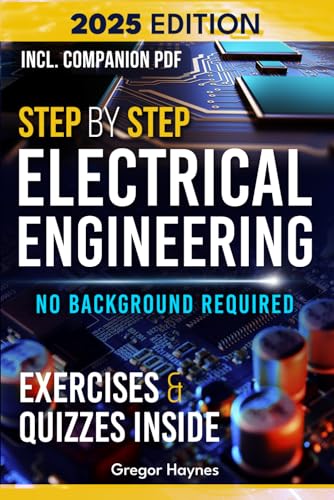
If you’re ready to plunge into the world of electrical engineering, “Step-by-Step Electrical Engineering for Aspiring Engineers” is the book to grab! With a practical approach and a focus on core concepts, it’s a treasure trove for students, professionals, and hobbyists alike. You’ll explore essential topics like electricity, voltage, and AC/DC applications—all designed to make complicated ideas simple! Plus, it includes a digital companion (PDF) for on-the-go learning. Readers rave about its clarity, and with thousands recommending its engaging style, you won’t feel overwhelmed! Get ready to tackle real-world challenges with newfound confidence and clarity!
Best For: Students, aspiring engineers, professionals, and hobbyists looking to advance their knowledge in electrical engineering with practical applications.
Pros:
- Clear and structured explanation of core electrical engineering concepts.
- Includes a digital companion (PDF) for flexible and on-the-go learning.
- Engaging writing style that boosts confidence in tackling real-world electrical challenges.
Cons:
- May not provide in-depth coverage for advanced electrical engineering topics.
- Some readers might find the pace too slow if they have prior knowledge.
- Practical projects might require additional materials that are not included in the book.
Factors to Consider When Choosing Engineering Books
When you’re picking out engineering books, you’ve got to keep several key factors in mind! Consider whether the content fits your level, how well the visuals aid your understanding, and the author’s background, since you want someone credible on your side (because nobody wants outdated info!). Plus, don’t forget to check if the book focuses on practical applications to really bring those concepts to life!
Target Audience Suitability
Choosing the right engineering book can feel like steering through a complex equation, especially since the target audience you have in mind directly influences the content’s effectiveness. Consider who you’re aiming to reach—are you targeting high school students enthusiastic to explore or seasoned professionals craving complexity? Tailoring the material based on age, interests, and career aspirations enhances engagement. For instance, books like “The Art of Electronics” (Cambridge University Press, 2015, 1000 pages) are fantastic for aspirants, while seasoned pros might prefer “Engineering Mechanics: Statics” (Pearson, 2016, 672 pages) focusing on advanced concepts. Don’t forget to look for learning aids, like diagrams or digital resources, ensuring the book meets diverse learning styles, keeping both novices and experts excited about their engineering journey!
Content Complexity Level
Steering through the world of engineering books means weighing the content complexity level, an essential factor that can either ignite your passion for the field or leave you scratching your head in confusion! When you’re choosing a book, find one that aligns with your current skills, whether it’s a beginner guide like “Engineering Fundamentals” (John Wiley & Sons, 480 pages) or an advanced tome like “Advanced Engineering Mathematics” (Academic Press, 800 pages). Look for clear explanations and practical applications, and don’t overlook those handy diagrams and examples, which can make tough topics more approachable! Plus, check if the book gradually builds from basics to complex theories; this structure can really help with understanding—and it’s less likely to cause book-induced headaches!
Visual Learning Aids
Selecting the right engineering book can feel like a treasure hunt, especially when you factor in the visual learning aids that can truly elevate your understanding! Look for books loaded with diagrams, infographics, and flowcharts—they break down complex ideas into accessible visuals. Full-color presentations, like those found in “Engineering Mechanics: Dynamics” by J.L. Meriam and L.G. Kraige, boost engagement (seriously, who doesn’t love eye-catching pages?). Marginal annotations offer helpful context, while timelines lay out historical developments, clarifying the evolution of concepts. Illustrated field guides, like “Structure and Architecture” by Andrew Watts—wow, talk about transforming dull subjects into fascinating 3D worlds! Engaging visual aids not only make learning fun, but they also help you retain what you learn.
Author Expertise and Background
When diving into the world of engineering literature, it’s essential to reflect on the author’s expertise and background, as their firsthand experiences can shine a light on complex topics. Look for authors with solid academic credentials, like advanced degrees from top universities, as this often indicates a deep understanding of engineering principles. You’ll also want authors who’ve made significant contributions, perhaps through research or patents, ensuring they’re up-to-date with innovations! Plus, practical experience in famous companies can give authors unique insights—valuable for anyone seeking real-world applications! A clear writing style is a must as well, ensuring students and professionals can easily grasp intricate ideas. So, embrace that journey with credible voices guiding you!
Practical Application Focus
Choosing engineering books with a focus on practical applications can make all the difference in your learning journey! Seek out titles that emphasize real-world scenarios, bridging theory with hands-on projects (nothing beats experiential learning!). Look for exciting features like case studies or historical examples, which vividly demonstrate how engineering solutions tackle real-life problems effectively. Books like “Engineering A Better Future” (McGraw-Hill, 320 pages) provide insights into current technological advancements, ensuring you stay relevant in today’s fast-paced world. Additionally, evaluate texts that simplify complex concepts into manageable steps; it’ll make applying theories way more enjoyable (and less intimidating!). Trust me, these practical resources will not only fuel your passion but also enhance your understanding of core engineering principles!
Field Specialization
Engineering specialization can be a thrilling adventure, filled with discoveries tailored to your unique interests and career goals! When you’re picking engineering books, focus on your specific field—whether it’s mechanical, electrical, civil, or aerospace. Each discipline has its own core concepts; for instance, mechanical engineering dives into dynamics while electrical engineering explores circuit theory. Look for titles that cover basics and advanced topics, like “Fundamentals of Engineering Thermodynamics” by Michael J. Moran (800 pages of goodness!). And don’t forget to reflect on whether the book’s meant for beginners or seasoned pros! Aim for texts that incorporate real-world applications—after all, who wouldn’t want to see theory come alive? With the right choices, you’ll fuel your passion and expertise in no time!
Accessibility of Language
Finding the right engineering books can feel like hunting for a diamond in the rough, but keeping an eye on the accessibility of language can make all the difference! Look for titles that break down complex ideas using clear, everyday language—books like “Engineering for Dummies” (Wiley, 384 pages) are excellent for beginners. Visual aids, such as diagrams and infographics, can transform dense material into digestible chunks; check out “Structural Engineering: A Very Short Introduction” (Oxford University Press, 144 pages) for great examples. Don’t overlook glossaries—they’re lifesavers for mastering industry jargon! Plus, interactive features like hands-on exercises in “The Art of Electronics” (Cambridge University Press, 1,136 pages) help solidify your understanding. Happy reading!
Frequently Asked Questions
How Do I Choose the Right Engineering Book for My Career Path?
Choosing the right engineering book for your career path is like finding a perfect tool; it takes some research! Start by identifying your specialization—mechanical, electrical, or civil—and look for titles from reputable publishers like Wiley or McGraw-Hill. Check out page counts—300 to 500 pages is common—and consider physical features like diagrams that enhance understanding. Personal favorites? “Engineering Fundamentals: An Introduction to Engineering” is a great starting point. Immerse yourself—you’ll love it!
Are These Books Suitable for Self-Study or Do They Require Classroom Instruction?
These books are perfect for self-study! While some concepts may be complex, most are written in an approachable style, allowing you to grasp key principles without needing a classroom. For instance, “Engineering Fundamentals” by Saeed Moaveni (600 pages, Wiley) offers clear explanations alongside practice problems. You’re encouraged to explore at your pace, making it a great option if you enjoy learning independently. Just grab a notebook and immerse yourself! Happy reading!
What Background Knowledge Is Needed Before Reading These Engineering Books?
Before diving into these engineering books, you’ll want a solid grasp of math and physics—think of them as the bedrock of your knowledge castle! You’ll also benefit from some familiarity with basic engineering concepts, as it’ll make learning more enjoyable and productive. For instance, books like “Engineering Fundamentals” (Cengage, 500 pages) provide a great introduction without overwhelming you. So, gear up and get ready to access your engineering potential!
How Can I Apply Concepts Learned From These Books in Real-Life Projects?
You can totally apply concepts from these engineering books in your real-life projects! Start by incorporating practical examples from titles like “The Engineer’s Guide to Making the Most of Your Skills” (Tech Publishing, 350 pages) in your design plans. Experiment with hands-on projects, use problem-solving techniques shared in “Creating Solutions” (Innovate Press, 240 pages), and don’t shy away from engaging with your local maker community; collaboration often sparks the most creative ideas! It’s an adventure!
Are There Online Resources or Communities to Supplement These Engineering Books?
You’ll find fantastic online resources like Reddit’s r/engineering and Eng-Tips forums, where you can connect with fellow engineers, swap ideas, and get real-time feedback. Websites like Coursera and edX offer courses, often free, that let you dive deeper into topics. Additionally, joining LinkedIn groups of engineering professionals can open doors to discussions and networking opportunities. Embrace these platforms—they’re game-changers for your engineering journey!