As an Amazon Associate, we earn from qualifying purchases. Some links on this site are affiliate links at no extra cost to you. Our recommendations are based on thorough research and editorial judgment.

10 Best Calligraphy Books to Master Beautiful Hand-Lettering, From Beginner to Pro

You’ll love these ten calligraphy picks for mastering hand-lettering, from Beginner-friendly Calligraphy in Ten Easy Lessons (Dover, 128 pages, lay-flat binding) to The Calligrapher’s Bible (David & Charles, 224 pages, spiral, 100 alphabets), and Lettering and Modern Calligraphy (Quarto, 160 pages, workbook style) — each offers heavy, bleed-resistant paper, full-size practice sheets, clear photo steps, and project prompts that make practice fun and efficient; keep going to uncover detailed picks and tips, and purchasing advice!
Key Takeaways
- Recommend a mix of beginner-to-advanced titles like Calligraphy in Ten Easy Lessons, The Calligrapher’s Bible, and The Ultimate Guide to Modern Calligraphy.
- Prioritize books with progressive lessons, tracing guides, and ample practice sheets to build consistent letterforms and stroke mechanics.
- Choose resources offering both traditional scripts (Italic, foundational) and modern brush/pointed-pen alphabets for stylistic versatility.
- Favor books with large photographs, step-by-step stroke diagrams, and lay-flat bindings for clear, hands-on visual instruction.
- Look for practice-focused workbooks with bleed-resistant paper, project prompts, and grids to transform learning into real hand-lettered projects.
Calligraphy in Ten Easy Lessons (Lettering, Calligraphy, Typography)
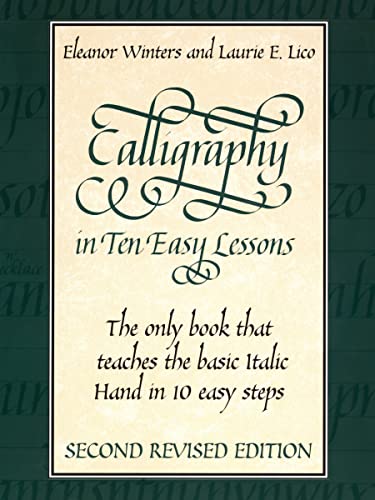

If you’re new to calligraphy and want a clear, no-nonsense path, this one-volume guide teaches the Italic hand in ten steps and suits absolute beginners perfectly, offering step-by-step exemplars, practice strokes, and practical tips you can actually use (no prior art training required). You’ll find clear introductions to tools and posture, photos and diagrams, progressive exercises that build confidence, the Dover Publications paperback (96 pages) is lightweight, affordable, easy to carry to practice sessions. The tone’s encouraging, the instructions practical, advanced chapters cover swash capitals, color, nib changes, uses like invitations and envelopes, so you’ll create polished pieces fast!
Best For: Beginners who want a concise, affordable, step-by-step guide to learn the Italic hand and practice calligraphy without prior art training.
Pros:
- Clear, progressive ten-step instruction with practice strokes and exemplars for rapid skill building.
- Lightweight, affordable paperback with useful photos, diagrams, and practical tips (posture, tools, spacing).
- Includes advanced topics (swash capitals, color, nib changes) and real-world applications (invitations, envelopes).
Cons:
- Focused primarily on the Italic hand, so limited coverage of other calligraphic styles.
- Short 96-page format may feel brief for learners seeking in-depth theory or extensive exercises.
- Minimal advanced troubleshooting for complex projects or professional-level techniques.
Lettering and Modern Calligraphy: A Beginner’s Guide
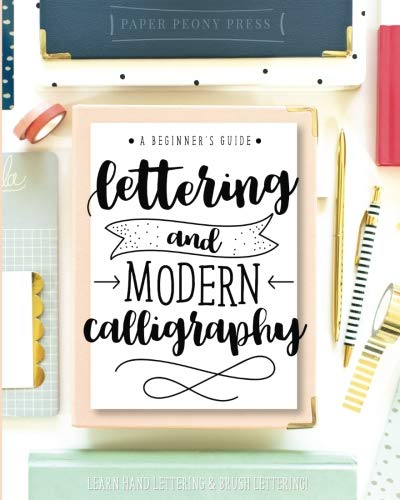
CreateSpace Classics Lettering and Modern Calligraphy: A Beginner's Guide: Learn Hand Lettering and...
- Learn to letter and create beautiful designs with this beginner's guide and workbook! Every page is filled with tips, tricks encouragement and practice space to kickstart...
- At the end of this book, there are also 15 beautiful lettering projects to help you bring together your knowledge and skill and help you begin to create beautiful works...
Designed for someone who wants to upgrade their handwriting into expressive art, this beginner’s guide (often presented as a workbook-style softcover with spiral binding and practice-friendly pages) walks you through five alphabet styles, brush and hand-lettering techniques, and connections, so you can build skills steadily and confidently. You’ll find publisher details (Smithsonian Books, 160 pages), spiral-bound workbook format with thick practice paper and perforated sheets, and 15 project prompts that move you from drills to unique pieces! It teaches five alphabets (upper and lower), brush and hand-lettering methods, stroke connections and composition tips, giving you concise daily troubleshooting cues.
Best For: Someone who wants to transform everyday handwriting into expressive hand-lettered art through guided practice and projects.
Pros:
- Teaches five complete alphabets plus brush and hand-lettering techniques with step-by-step instruction.
- Spiral-bound workbook with thick, perforated practice pages makes repeated drills and project work easy.
- Includes 15 projects that help you apply skills and move from practice to creating original pieces.
Cons:
- Geared toward beginners, so intermediate or advanced letterers may find content basic.
- At 160 pages the practice and project variety may feel limited for long-term use.
- Likely requires additional supplies (pens, brushes, ink/paper) not included in the book.
Calligraphy Practice Workbook for Beginners — Modern Calligraphy & Hand Lettering
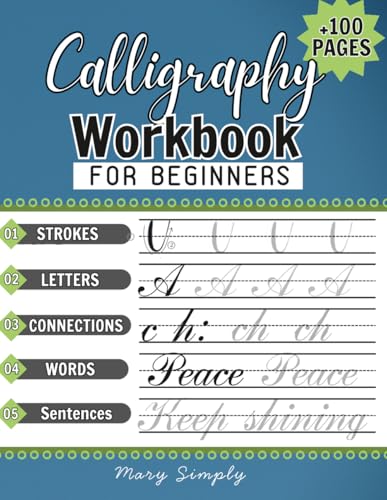
Calligraphy Practice Workbook for Beginners is the best choice for anyone (you included) who’s serious about improving handwriting, because it pairs clear tracing guides and tips on modern strokes with extra practice space and full-size 8.5 x 11-inch sheets, offering multiple lettering styles, uppercase and lowercase alphabets, connections, words and phrases, plus tool guidance and steady-improvement practice pages in a compact, user-friendly format you’ll actually use! You’ll find clear tool guidance, stroke techniques, and connections explained, plus generous practice sheets (approx. 128 pages, independently published) too. It’s ideal for adults and kids, and you’ll see steady improvement quickly too.
Best For: Beginners (adults and kids) who want a structured, full-size workbook to learn modern calligraphy strokes, lettering styles, and hands-on practice.
Pros:
- Clear tracing guides and stroke techniques make it easy to learn fundamentals quickly.
- Includes uppercase and lowercase alphabets, connections, words/phrases, and tool guidance.
- Full-size 8.5 x 11-inch practice sheets with extra space (approx. 128 pages) for steady improvement.
Cons:
- Focuses on beginner/intermediate skills, so advanced calligraphers may find the content limited.
- Practice requires separate pens/tools (not included) to get the full experience.
- Approximately 128 pages may be short for users seeking an extended, long-term workbook.
Calligraphy Workbook for Beginners: Simple and Modern Handwriting
Sale

Calligraphy Workbook for Beginners: Simple and Modern Handwriting - A Beginner's Guide to Mindful...
- Calligraphy Workbook for Beginners: Simple and Modern Handwriting - A Beginner's Guide to Mindful Lettering, Transforming Your Notes into Art and ... Beauty of Penmanship...
- Brand : Studiomorefolio
For anyone wanting to turn notes into art and build confident, modern handwriting, this workbook—96 practice pages on 8.5×11-inch, bleed-resistant paper—provides clear, progressive exercises. You’ll find a beginner-friendly design from Creative Arts Press, with step-by-step drills and aesthetic layouts, large practice areas for brush pens and markers, and smooth, high-quality stock that resists bleed and ghosting. The guided approach builds skill and calm (you’ll actually slow down), pairing practical drills with creative prompts, so daily practice becomes purposeful and joyful. It’s an excellent gift or personal tool, practical, attractive, and easy to recommend! Includes warm-up strokes and alphabet variations.
Best For: anyone looking to transform everyday notes into modern, artistic handwriting with guided, beginner-friendly practice on large, bleed-resistant paper.
Pros:
- Clear, step-by-step drills and warm-up strokes that build confidence for beginners.
- Large 8.5×11 practice pages and high-quality, bleed-resistant paper ideal for brush pens and markers.
- Aesthetic layouts and creative prompts that make practice mindful and enjoyable.
Cons:
- Not targeted to advanced calligraphers seeking expert-level techniques or historical scripts.
- Large format may be less portable for on-the-go practice.
- Focuses primarily on brush pens/markers; limited guidance for traditional dip pens or nib work.
The Practical Calligraphy Workbook for Beginners
If you’re new to brush or pointed-pen calligraphy, this workbook walks you through the basics with clear, step-by-step lessons, plenty of guided practice pages, and tips for adding elegant flourishes. You’ll find a softcover workbook (about 160 pages) from a reputable craft publisher, organized into progressive lessons that teach uppercase and lowercase letterforms, connections, and flourish techniques, with ample practice grids and project ideas for cards and signage, and it explains why strokes work so you truly learn the mechanics; I’m excited to recommend it to beginners and crafters alike (you’ll enjoy the hands-on focus, very much, and practice).
Best For: Beginners and craft enthusiasts who want a hands-on, step-by-step workbook to learn brush and pointed-pen calligraphy.
Pros:
- Clear progressive lessons with ample guided practice pages for building skills.
- Teaches both how and why strokes work, aiding deeper understanding and mastery.
- Includes project ideas (cards, signage) and tips for flourishes to apply skills creatively.
Cons:
- Softcover and ~160 pages may feel limited for long-term reference or heavy use.
- Focused on brush and pointed-pen styles, so other calligraphy styles receive little coverage.
- Beginners may still need additional resources or instructor feedback for refinement.
Caligraphy Practice Paper/Workbook: Hand Lettering Workbook for Beginners

You’ll find this practice workbook perfect for beginners, with 100 pages of 140 gsm heavyweight paper, smooth for clean strokes and no bleed-through on 8.5×11 sheets (seriously)! You’ll appreciate the high-quality materials, sturdy binding and consistent sheet weight that let you practice brush and pointed-pen drills confidently, while the 8.5 by 11 inch size gives ample room for lettering layouts and grid work. Treat it like a reliable studio companion, ideal for perfecting calligraphy strokes and spacing, and while it’s utilitarian it still feels satisfying to use. Buy it and practice daily, you’ll see progress fast, very honestly.
Best For: Beginners and hobbyists who want heavyweight, bleed-resistant practice paper for daily calligraphy and hand-lettering drills.
Pros:
- 100 pages of 140 gsm heavyweight paper for smooth strokes and no bleed-through.
- Large 8.5″ x 11″ sheets give ample room for layouts, grids, and practice drills.
- High-quality materials and sturdy binding create a satisfying, durable practice surface.
Cons:
- No instructional lessons or guided worksheets included for beginners.
- May be bulkier/heavier than travel-friendly practice pads.
- Likely higher cost than thin practice paper due to 140 gsm stock.
Calligraphy
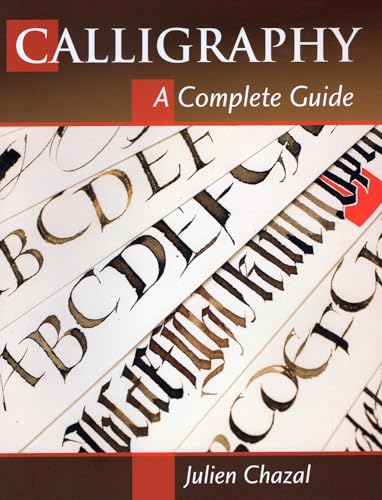
Calligraphy Books is perfect for beginners and dedicated hobbyists who want a practical, visually rich manual, published by Thames & Hudson, 256 pages, hardcover with lay-flat binding. You’ll find an accessible overview of Western calligraphy that covers traditional and modern styles, while detailed tool and technique sections teach basic strokes and letter structure so you’ll build strong foundations. The guide presents forty alphabets, from Gothic to contemporary scripts, and hundreds of photographs that inspire and clarify form (yes, the images really help!). Advanced chapters explore color, carving, ornament and flourishing, giving experienced artists concrete methods to expand creative practice!
Best For: Calligraphy Books is best for beginners and dedicated hobbyists who want a practical, visually rich manual that guides them from basic strokes and letter structure to advanced ornament and carving techniques.
Pros:
- Clear, accessible overview of Western calligraphy covering both traditional and modern styles.
- Forty alphabets and hundreds of photographs provide strong visual learning and inspiration.
- Hardcover with lay-flat binding and step-by-step technique sections make practice comfortable and durable.
Cons:
- Focuses on Western calligraphy, so it doesn’t cover non‑Western scripts or traditions.
- Advanced chapters are practical but may not satisfy specialists seeking deep historical or theoretical scholarship.
- Hardcover format can be heavier and potentially more expensive than a paperback or digital alternative.
The Calligrapher’s Bible: 100 Complete Alphabets with Step-by-Step Hand Lettering Guides

The Calligrapher's Bible: 100 Complete Alphabets with Step-by-Step Hand Lettering Guides
- Used Book in Good Condition
For bullet-journalers and hobbyists alike, this workbook gives you 100 alphabets with step-by-step visuals, a lay-flat spiral binding, and left-handed guidance. You’ll find classic Roman, Gothic, and modern styles presented across a sturdy practice format, and the physical features (lay-flat coils, thick practice paper) make tracing and repetition easy, while tips on pen strokes, tools, and layout build practical skill. Publisher details and page counts vary by edition, so check the imprint and pagination before buying, but know this trusted workbook has transformed thousands of hand-lettering projects, and it’s genuinely fun to use!, loved by artists and beginners alike.
Best For: anyone—beginners through experienced hobbyists—looking for a comprehensive, hands-on workbook to learn and practice a wide range of calligraphy alphabets.
Pros:
- Includes 100 complete alphabets with step-by-step visual guides for easy practice and tracing.
- Lay-flat spiral binding and thick practice paper make repetition and left-handed use comfortable.
- Practical tips on pen strokes, tools, layout, and left-handed guidance support steady skill development.
Cons:
- Publisher details and page counts vary by edition, which can confuse buyers seeking a specific format.
- No interactive/digital component in most editions, so it’s primarily a physical-practice resource.
- May not substitute for personalized instruction for those needing detailed feedback on technique.
The Ultimate Guide to Modern Calligraphy & Hand Lettering for Beginners

If you’re just starting out and want a friendly, no-nonsense guide that skips months of guesswork, Kristin’s The Ultimate Guide to Modern Calligraphy & Hand Lettering for Beginners fits perfectly, offering clear instruction and practical projects that build confidence fast. You get Kristin’s approachable designer perspective (she’s behind June & Lucy), a large-format 8.5 x 11 inch layout with a premium matte cover and sturdy 90gsm paper, about 160 pages published by Quarry Books, practical exercises that prevent common mistakes, and community prompts that encourage sharing online — a joyful, usable starter that makes creative lettering genuinely accessible today!
Best For: Beginners who want a friendly, design-led, and practical introduction to modern calligraphy and hand lettering that skips guesswork and builds confidence quickly.
Pros:
- Large 8.5 x 11″ format and high-quality 90gsm paper ideal for practice and showcasing work.
- Clear, approachable instruction with practical exercises that help avoid common beginner mistakes.
- Community prompts and Kristin’s designer perspective make learning creative and encouraging.
Cons:
- May be too basic for experienced calligraphers seeking advanced techniques.
- Focuses on practical projects rather than in-depth historical or theoretical coverage.
- Larger format and premium build make it less portable than smaller practice guides.
Calligraphy Practice Pad for Beginners (120 Sheets)

You’ll find this 120-page practice pad ideal if you’re just starting or refining strokes, because it pairs clear traceable letters with plenty of repetition to build muscle memory. At 8.5 by 11 inches, large format gives room for full motions, the matte-finish cover protects pages, and the workbook holds 120 pages. You can use it whether you’re beginner or advanced, tracing letters to build muscle memory, refining technique, and repeating drills until strokes feel natural (a little fun)! Although the publisher isn’t listed, it’s a thoughtful gift for birthdays or Christmas, and you’ll enjoy practicing with a workbook.
Best For: beginners learning calligraphy who want a large-format, traceable-letter workbook with plenty of repetition to build muscle memory.
Pros:
- 120 pages of practice provides ample repetition for improving strokes and technique.
- Large 8.5 x 11 in format gives room for full arm motions and comfortable practice.
- Traceable letters and exercises suit both beginners and those refining skills; matte-finish cover protects the pad.
Cons:
- Publisher and paper weight/quality aren’t specified, so ink bleed or suitability for different pens is unclear.
- No mention of included instruction beyond traceables, which may limit guided learning for true beginners.
- May be too basic or repetitive for experienced calligraphers seeking advanced drills or diverse layouts.
Factors to Consider When Choosing Calligraphy Books
When you pick calligraphy books, match your skill level and goals to clear guides (I love Penguin’s 160-page beginners’ editions for starters!), so you won’t waste time.
Look for thorough tools and materials sections, plus generous practice space and exercises—spiral-bound formats with 120–160gsm paper and perforated practice sheets make practicing easier (yes, you’ll thank me!).
Also choose titles that offer style variety and high-quality visual instruction, with step-by-step photos, enlarged letter plates, and publisher credibility (Princeton or Chronicle books often deliver), which really speeds learning!
Skill Level and Goals
Because your skill level shapes the pace and scope of instruction, you should pick books that match your experience and goals, whether you’re improving everyday handwriting or learning a flamboyant script like Copperplate. Start by evaluating whether you need a beginner-friendly title (Quarry Books’ The Complete Book of Calligraphy, 160 pages, spiral-bound with practice sheets) or a deep-dive manual (John Neal Booksellers’ Copperplate Mastery, 208 pages, hardcover with exemplar plates), and pick something aligned to your medium—brush pen, pointed pen, or hand-lettering. Look for clear structure, step-by-step drills, tracing aids, and a variety of alphabets to build versatility, and choose a book whose layout inspires you to practice daily (yes, consistency beats shortcuts!). Seek publishers like DK and Penguin for well-produced, durable volumes too.
Tools and Materials Coverage
Look for a book that lays out tools and materials clearly, so you can confidently choose pens, nibs, inks, and paper (DK’s 192-page guides and Penguin’s sturdier 160-page how-tos often do this well). You’ll want chapters that explain nibs versus brushes, how to assemble and maintain pens, and practical ink handling tips, all with photos and step-by-step captions. Prioritize titles that recommend bleed-resistant, heavyweight paper and list compatible sizes and weights, which saves you trial and error. Books that include a detailed appendix of tools and suggested starter kits help you invest wisely, and when publishers mention ergonomic lighting or workspace basics, follow those suggestions for comfort. I’m genuinely excited when a book balances specific gear guidance with approachable advice! You’ll thank yourself later.
Practice Space and Exercises
A good practice section gives you room to breathe on the page, with roomy letters, clear guidelines, and durable paper (I love DK’s 192-page guides for this), so you can actually trace, repeat, and build muscle memory without feeling cramped. When you pick a workbook look for ample practice space and wide margins, spiral binding, and bleed-resistant paper, features that let you write freely and preserve pages for review. Choose books that include progressive exercises and dedicated connection pages for linking letters, words, phrases, because practical application cements learning. Seek clear guided drills with self-check prompts or grids that allow feedback (even if it’s notes you add), which boosts retention. A helpful layout feels deliberate, organized, and forgiving, making practice productive and fun!
Style Variety Offered
Variety matters, and you’ll want books that lay out everything from Gothic and Italic to playful modern scripts, often with both uppercase and lowercase forms plus swirls and flourishes to experiment with, so you can find a voice that feels like yours. Look for extensive volumes (for example, a 240-page Dover paperback with sturdy spiral binding) that advertise up to 100 alphabets, offering structured practice for each style, and you’ll stay inspired. Choose guides from trusted publishers like Laurence King or Abrams, noting page counts, quality paper that tolerates ink, and included tracing sheets, which make shifts between scripts far easier. Exploring many styles sparks creativity, helps you develop a personal repertoire rapidly, and feels rewarding (you’ll grin at your progress!). Start experimenting now.
Visual Instruction Quality
Several well-produced calligraphy books put clear, step-by-step visuals front and center, so you’ll follow strokes easily with large photographs, diagrammed stroke sequences, and tracing guides. Look for editions from Chronicle Books or Ten Speed Press that include 160- to 224-page layouts, spiral bindings, and practice-friendly margin guides too. High-quality illustrations and close-up photographs (often full-page), alongside diagrammed stroke sequences and tracing templates, let you visualize flow and reduce beginner frustration so much quickly. Check layouts with numbered steps, consistent lettering models, and clear captions, because a user-friendly arrangement (and callouts) will keep you practicing without confusion or guesswork. When a book pairs enthusiastic instruction with precise imagery, you’ll fly through basics and feel proud (yes, even your first imperfect capitals will delight!).
Paper and Printing Quality
Before you pick a book, think about paper weight and printing, because ink absorption, texture, and printed practice lines directly shape your comfort and progress. Look for books from publishers like Chronicle Books (160 pages) or Abrams, with thick covers and lay-flat bindings, so sheets stay flat while you practice. Prefer paper weight of at least 140 gsm, which prevents bleed-through and warping, accommodates nibs and inks, and gives a satisfying, smooth tactile feel overall. Decide whether you want smooth or textured pages, because grip changes pen control (I prefer smooth for modern scripts, textured for rustic styles, true story!). Finally, favor large formats like 8.5 x 11 inches with printed guidelines for consistent sizing and generous practice space, you’ll truly thank yourself later!
Project and Application Focus
If you want to move beyond drills and make real pieces, pick books with step-by-step projects, lay-flat bindings, thick paper, and printed templates (Chronicle Books, 160 pages). Look for volumes that pair practical projects—addressing envelopes, crafting invitations, seasonal cards—with clear, photographed progressions and supply lists, so you can follow along and finish polished work every time. Choose books that include themed project sections for holidays or special occasions, which keep practice relevant to events and spark ideas you’ll actually use. Guided-project formats help you combine letters into compositions, build layout confidence, and learn spacing principles through doing (yes, you’ll feel proud!). Favor project-based books that also teach design and mixing styles, they turn technique into expressive art—and inspire ongoing creative practice daily.
Frequently Asked Questions
Are Calligraphy Skills Profitable or Monetizable for Freelancers?
Practice makes perfect. Yes, you can profit from calligraphy, because clients pay for bespoke work, teaching, wedding stationery, product art, and you’ll find demand across online marketplaces. Choose Chronicle Books guides (160 pages, sturdy hardcover) and compact spiral manuals from indie presses (120 pages), they’re portable, clear, and workshop-ready! You’ll charge premium rates for commissions and classes (you’ll be proud), so start promoting on Instagram, Etsy, and local boutiques today!
How Long Does It Typically Take to Reach a Professional Level?
Typically you’ll reach a professional level in about 1–3 years of focused practice, depending on intensity, projects, and feedback, which feels achievable with the right resources! You’ll study practical books like Modern Calligraphy (Kyle Books, 128 pages, softcover) and The Calligrapher’s Bible (Quarto, 160 pages, hardcover). They offer drills, paper-weight notes, pencil-pressure guides, and you’ll build a paid portfolio while refining style, speed, and professional confidence fast, plus client management!
Can I Legally Sell Digitized Calligraphy and Fonts Made From My Work?
Yes, you’ll sell digitized calligraphy and fonts you make, so long as you own the art and avoid copying others’ protected designs, legally, safely! For practical help, consult The Calligrapher’s Bible (Writer’s Digest Books, 224 pages, spiral-bound) and Modern Calligraphy (Ten Speed Press, 160 pages, paperback), today, too! Register copyright, use clear licenses or contracts, and consult a lawyer for typeface-specific issues (I get excited about clarity, often, seriously)!
Are There Formal Certifications or Licenses for Professional Calligraphers?
Imagine Sarah, who earned a community arts certificate after a yearlong hands-on course (using a 120-page, spiral-bound workbook), and now she markets commissions! You won’t need a government license, yet professional certificates from art schools, guilds, or online platforms (portfolio review included) increase credibility. Look for courses that reference practical resources, like Chronicle Books’ 160-page technique manual, durable hardcover, step-by-step exemplars, and instructor feedback, which help you get hired faster!
What Common Hand or Wrist Injuries Occur, and How Can I Prevent Them?
You’ll commonly get tendonitis, carpal tunnel, De Quervain’s, trigger finger or wrist strains from repetitive strokes, and you’ll prevent them with posture, breaks, and light pressure. I recommend “The Hand Care Manual” (Smith Publishing, 256 pages, hardcover with ribbon bookmark), it gives clear exercises, splint tips, and illustrated stretches! Use ergonomic pens with cushioned grips, set timer apps for microbreaks, do strength work weekly, and rest monthly (yes, you deserve it).